
The Tyrant-Slayers of Athens
At a festival, two lovers hid their knives under garlands—waiting to stab a tyrant in the crowd.
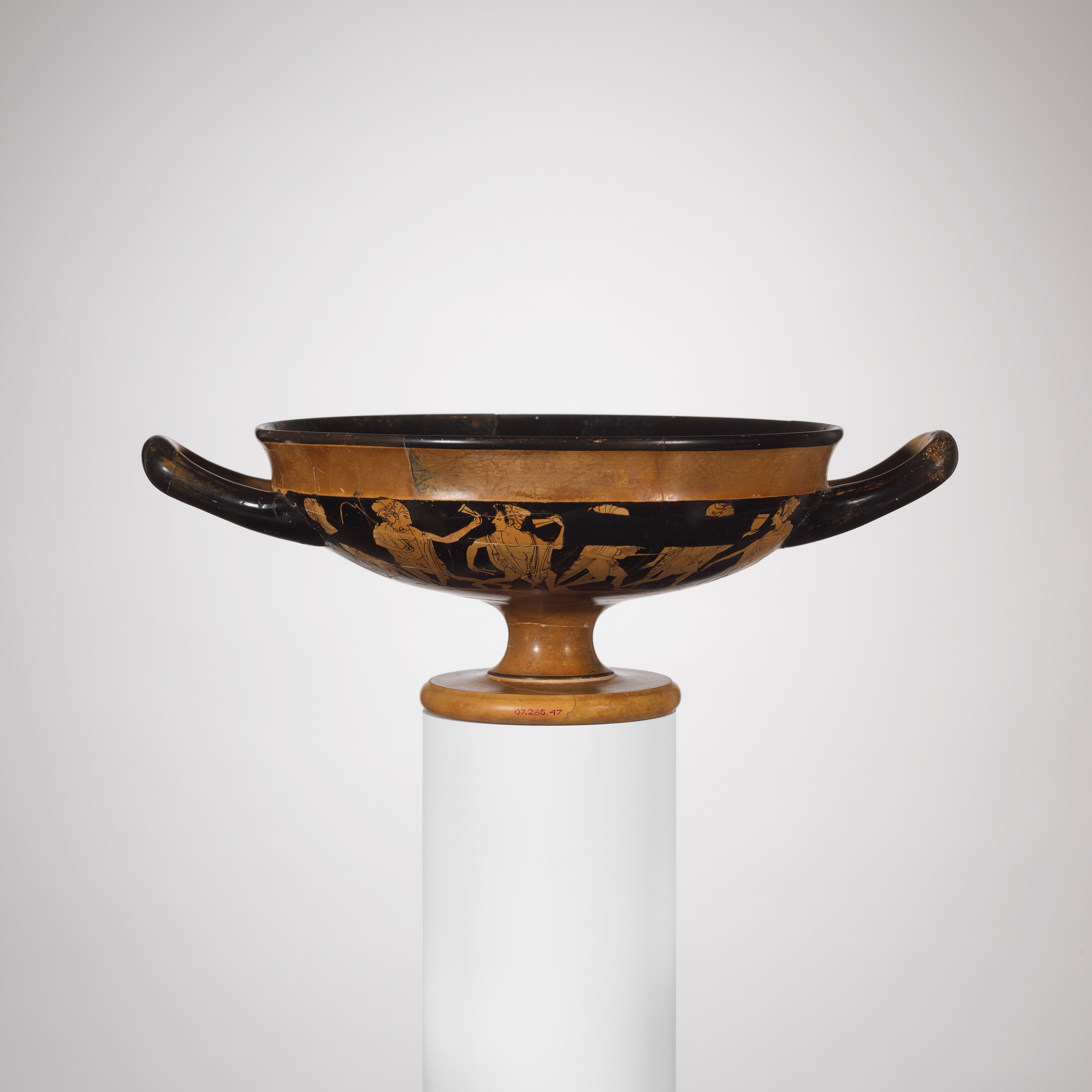
Hegesiboulos — "Terracotta kylix (drinking cup)" (ca. 500 BCE), public domain
Knives among the myrtle branches.
On the day of the Panathenaic festival, Harmodius and Aristogeiton, famed for their bond, blended into the crowd—garlands masking the blades at their sides. They weren’t aiming for Hippias, the ruling tyrant, but his brother Hipparchus. The city thrummed with celebration, no one suspecting blood would spill by the altar.
The attack—and the aftermath.
Their strike was swift: Hipparchus fell, but the tyranny did not. Harmodius was killed on the spot. Aristogeiton, tortured, revealed nothing. Hippias’ grip on Athens only tightened—and executed dozens more, but the city remembered the lovers as heroes. Their statues rose up even as Athens waited for freedom.
A martyrdom for democracy.
Later generations turned the failed assassination into a civic myth: democracy was born, they claimed, from courage and sacrifice, not inevitability. To this day, Harmodius and Aristogeiton are still toasted as the world's first tyrant-slayers—inspiring rebels and writers for centuries.
Harmodius and Aristogeiton struck down the brother of Athens’ tyrant during a parade. Their act turned bloody, failed to end tyranny, but started a legend of democracy built on risk—and revenge.
