
Roman Bone Dice—Loaded for Cheating
Archaeologists have dug up Roman dice with tiny weights and irregular dots—built to cheat.
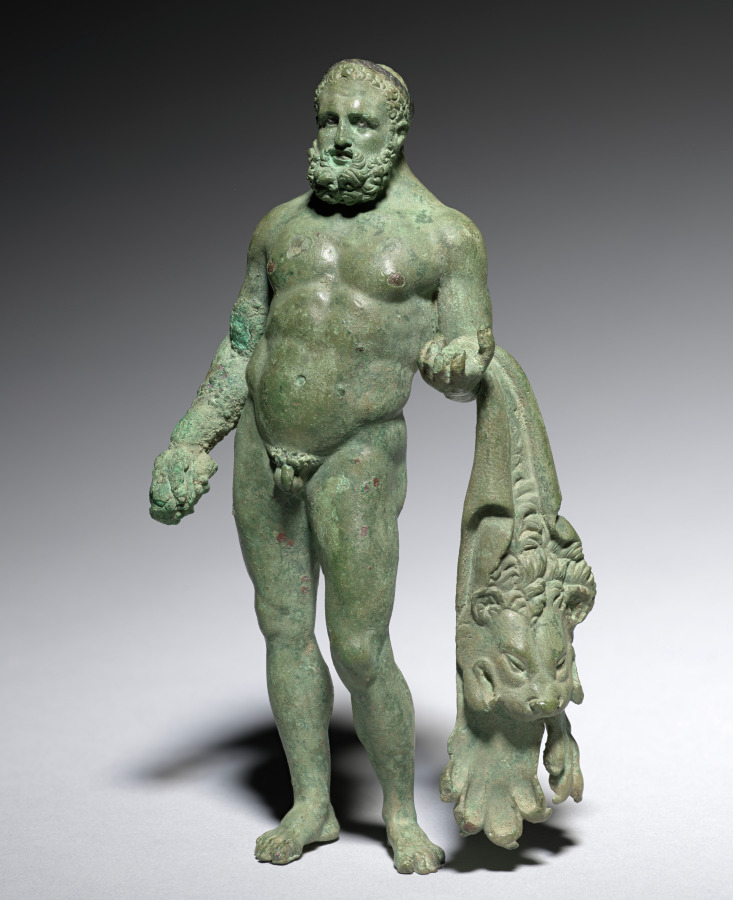
Unknown — "Hercules" (c. 30 BCE–20 CE), CC0
Loaded Dice in the Gambling Den
Archaeologists have found Roman dice drilled with off-center dots and tiny lead weights hidden inside. Some are even lopsided cubes, almost guaranteed to roll a seven, not a six.
Cheating Was an Ancient Art
Roman gambling was everywhere—taverns, street corners, military camps. The evidence is still here: bone and ivory dice, some clearly tampered with. The law banned gambling, but cheaters kept innovating.
Some Roman dice, carved from bone or ivory, are loaded or shaped strangely—not just by accident, but to make certain numbers hit more often. In Pompeii and across the empire, uneven dots or drilled-out cores would send the odds toward the owner. Gambling was rampant, and Roman players weren’t above a little DIY rigging. Two thousand years later, the house edge was already alive and well.
