
Seneca on Letting Go of Rage
“No passion is more eager to fling itself away.” — Seneca, in Latin, saw anger as lightning: blazing, destructive, and always burning itself out fast.
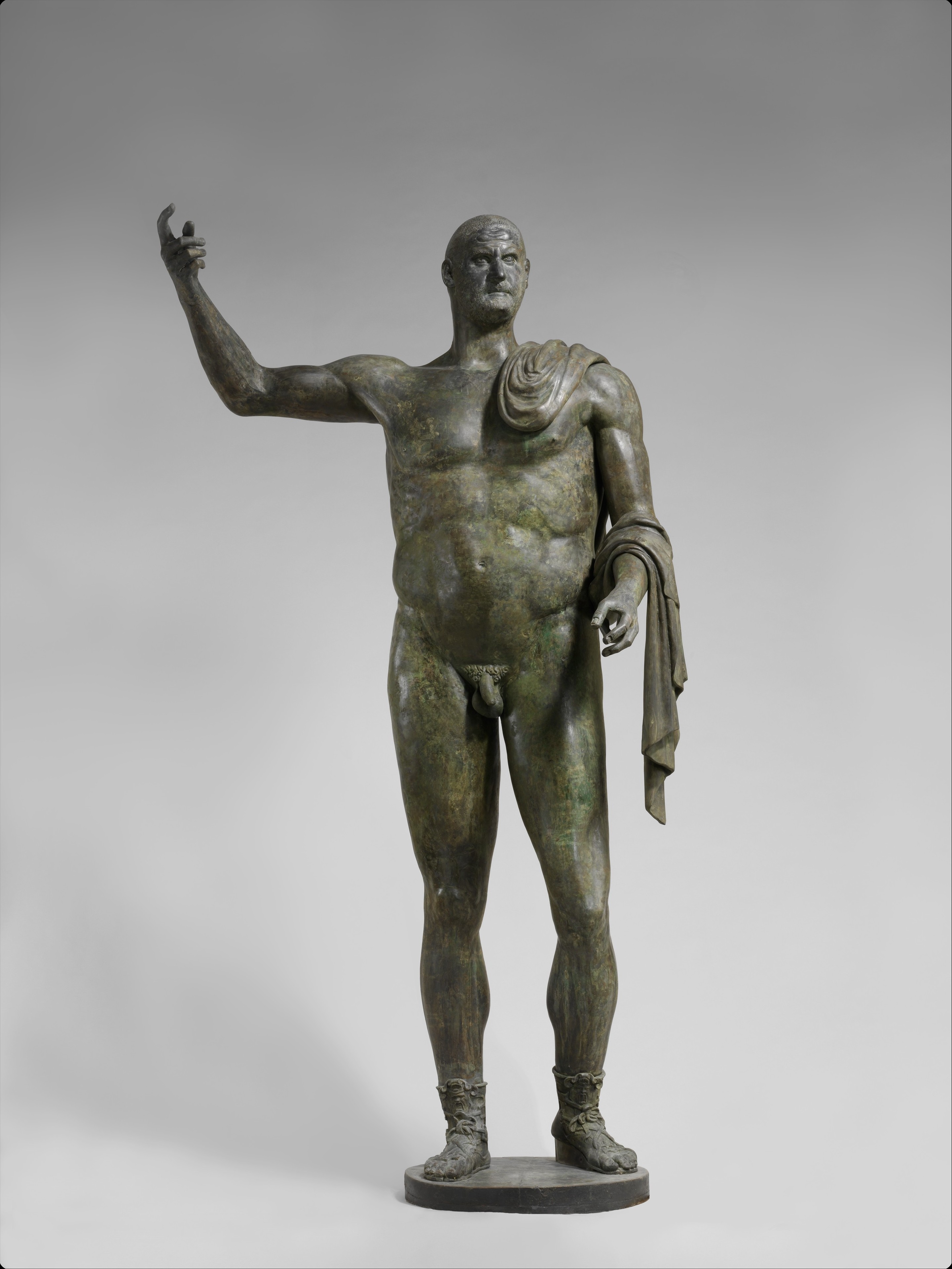
Unknown — "Bronze statue of the emperor Trebonianus Gallus" (251–253 CE), public domain
Seneca’s flashfire warning, in Latin.
Seneca, in De Ira (On Anger, Book II), writes: «Nulla vis ad se magis properat quam ira.» — "No passion is more eager to fling itself away than anger." Anger, for him, was a fever: hot, irrational, and self-consuming.
Rage as self-harm, not power.
Seneca mapped anger’s course: it promises force, but swiftly burns itself out, often leaving more wreckage than the original insult. He thought the truly strong resist the urge, letting the fire pass instead of fanning it. In Rome, this was self-defense — today, it’s just sanity.
Seneca survived Nero’s Rome, navigating poisonous politics and even more poisonous tempers. He dissected anger not as a sin, but as a self-destructive reflex. His words are a warning and a cold shower for every hothead — ancient or modern.
