
Sappho: Poetry and Erasure
Nearly every line Sappho wrote was hunted by time or by fire. Out of thousands of verses, just one has almost survived whole.
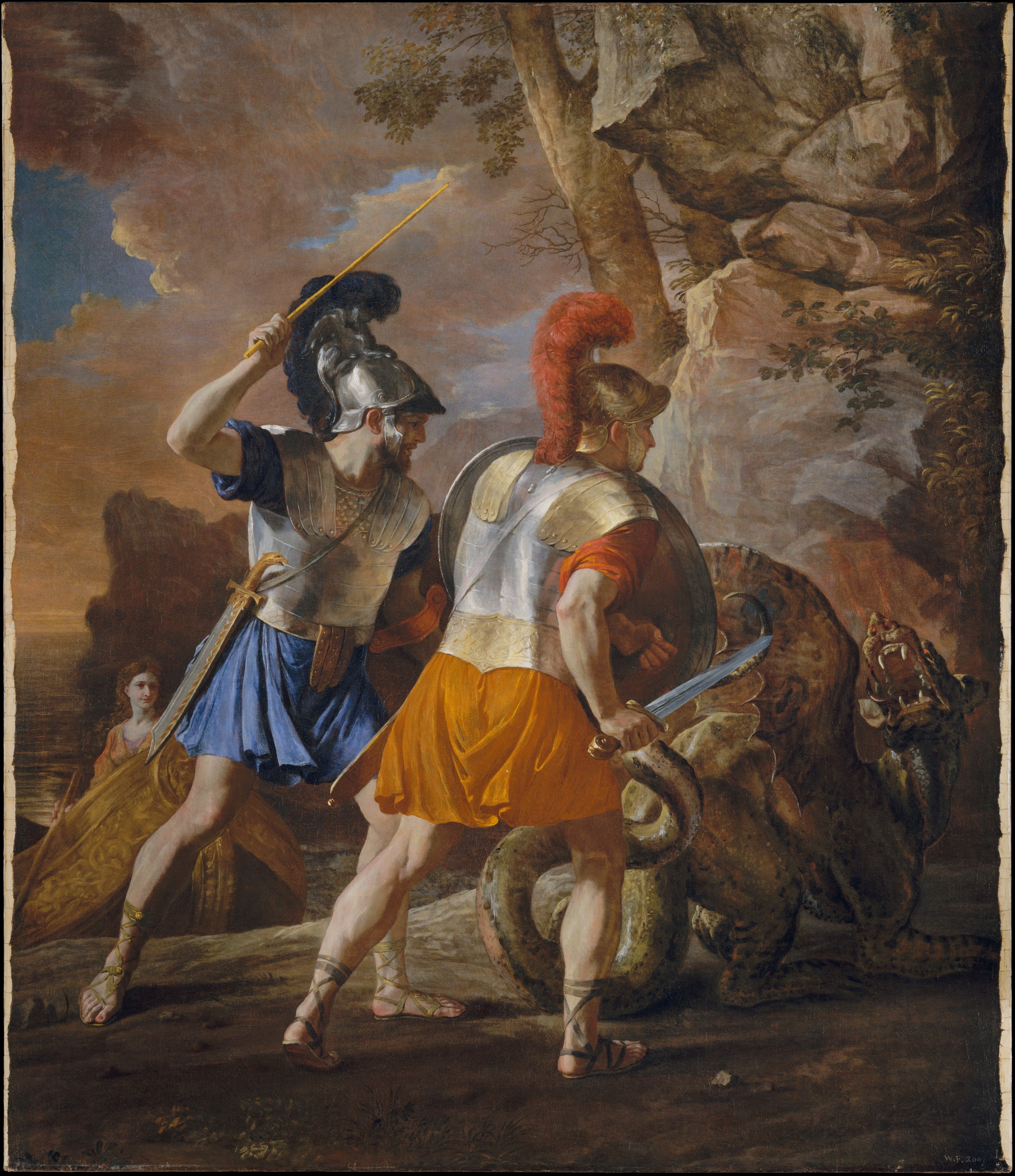
Nicolas Poussin — "The Companions of Rinaldo" (ca. 1633), public domain
A Voice Almost Lost to History
Nearly every line Sappho wrote was hunted by time or by fire. Out of thousands of verses, just one has almost survived whole.
Fragments in the Dust
Sappho rewrote the language of desire in a world ruled by men, but most of her work was destroyed—by accident, neglect, or deliberate censorship. What we know comes in scraps: quoted by grammarians, scraped off jars, pieced together from papyri found in Egyptian rubbish heaps. The woman called the Tenth Muse is now a mystery of missing voices.
Echoes, Not Answers
Every new scrap that surfaces shakes up what we think we know. Sappho's reputation survived longer than her words—a reminder that the most vital voices can be silenced, and rediscovered, over and over.
Sappho rewrote the language of desire in a world ruled by men, but most of her work was destroyed—by accident, neglect, or deliberate censorship. What we know comes in scraps: quoted by grammarians, scraped off jars, pieced together from papyri found in Egyptian rubbish heaps. The woman called the Tenth Muse is now a mystery of missing voices.
