
On This Day: When Rome’s Calendar Became Chaos
August 27 on the old Roman calendar wasn’t always August 27—before Caesar’s reform, the date could slip by weeks, depending on politics and priestly whim.
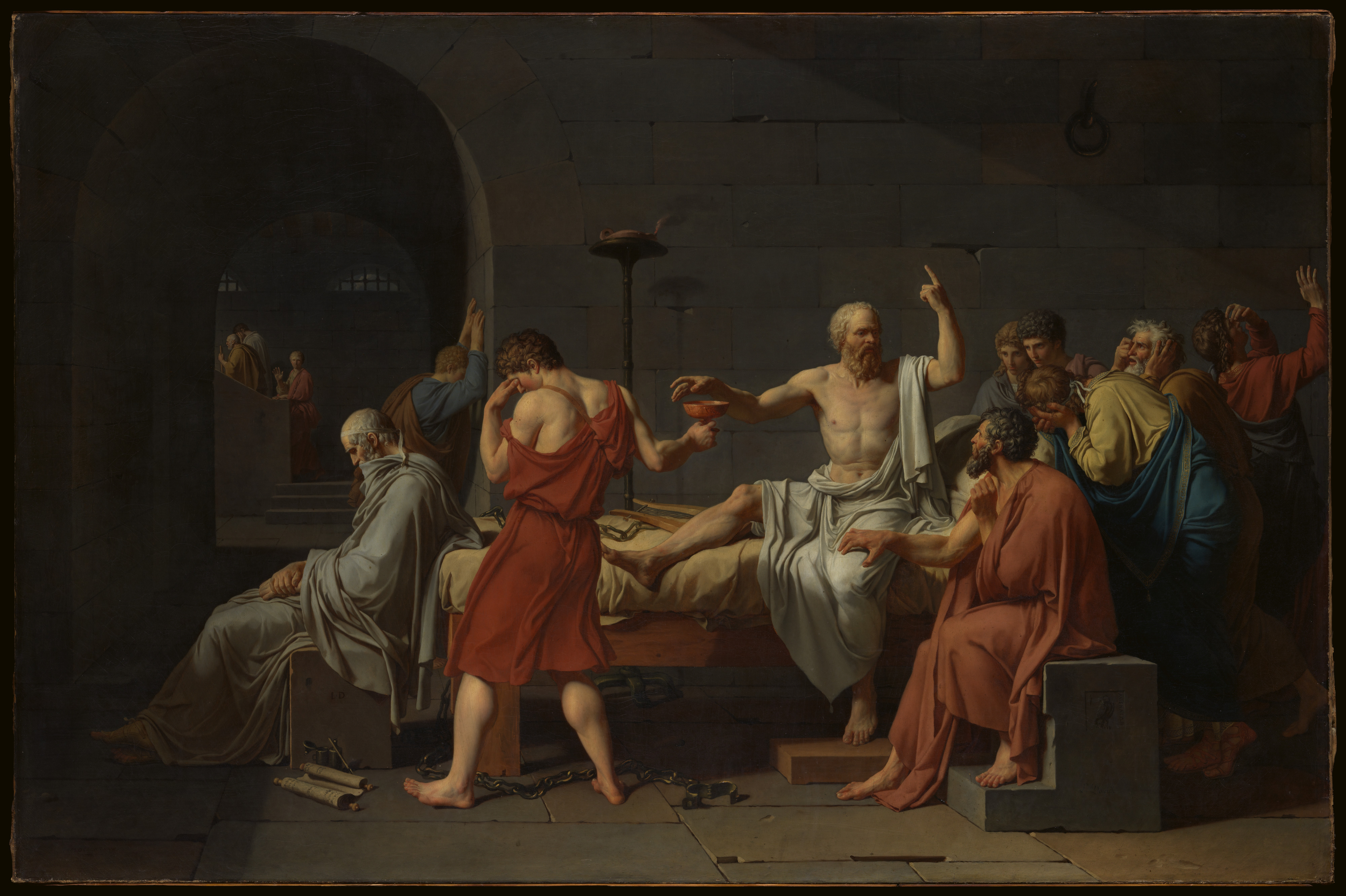
Jacques Louis David — "The Death of Socrates" (1787), public domain
A date that wouldn’t sit still.
August 27 means something to us—but to a Roman, it might have meant nothing at all. Before Julius Caesar, the calendar was a political playground. Priests could stretch the year for allies or cut it short to punish rivals. Whole weeks could vanish or reappear overnight.
Why Rome’s days didn’t add up.
The city’s farmers and generals hated calendar chaos, but priests loved having time on a leash. It meant favors, debts, and sometimes, civil war. Caesar’s calendar—what we use today—finally pinned the year in place. But stand in late August on a Roman street, and you could never be sure what day it really was.
Romans didn’t see time as fixed—before Julius Caesar, the calendar was a maze of lost days, sudden festivals, and secret adjustments. An August day could drift into September with a signature from the right pontiff.
