
Quote·Ancient Rome·Imperial Rome
Seneca on Anger and Slavery
"No man is free who is the slave of his body." — Seneca, in Latin, deals a blow to ancient anger and addiction.
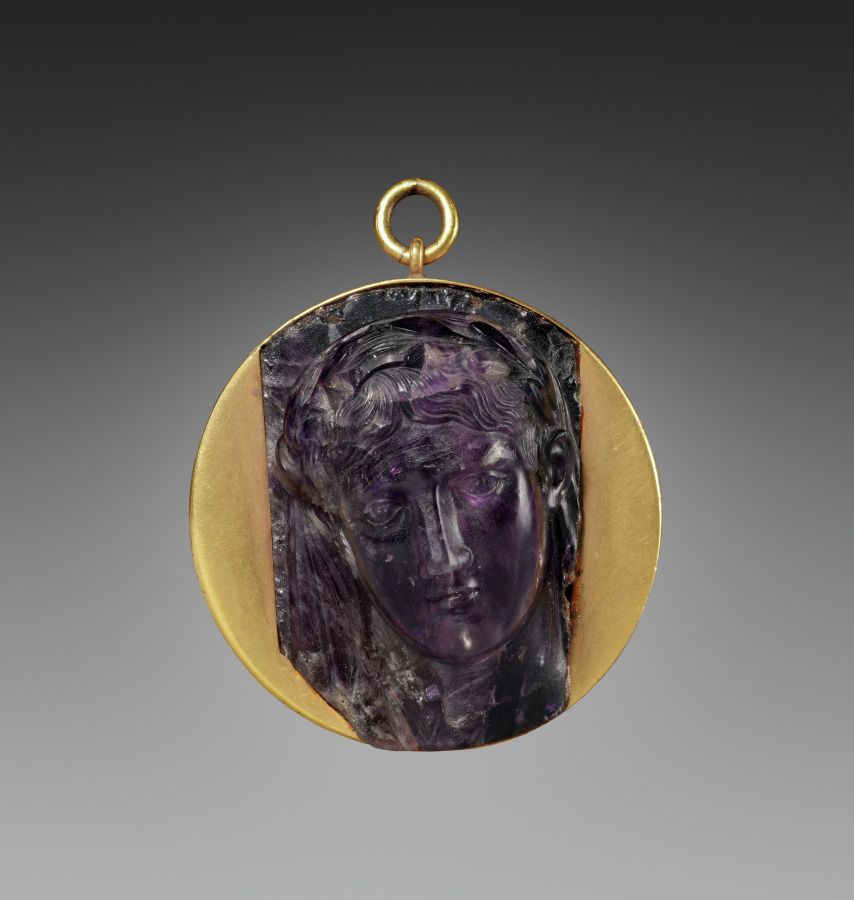
Unknown — "Cameo: Head of a Woman" (1–100 CE), CC0
Slavery from the inside out
Seneca, in Letters to Lucilius (Letter 92.3), says: «Nemo liber est qui corpori servit.» — "No man is free who is the slave of his body." The body’s urges, pains, and passions can turn anyone into a captive, no chains required.
Stoicism versus impulse
Seneca saw self-rule as the only real liberty. He argued that anger, lust, or compulsion dull a person’s freedom faster than any whip. To be master of yourself is to live free—even in a palace, even in chains.
Seneca made freedom an inside job. The chains you forge yourself are the hardest to break.
