
The Jug of Blood at Plataea
At sunrise before the battle, a Greek priest slices open a white goat—then pours the blood into a bronze jug for the gods.
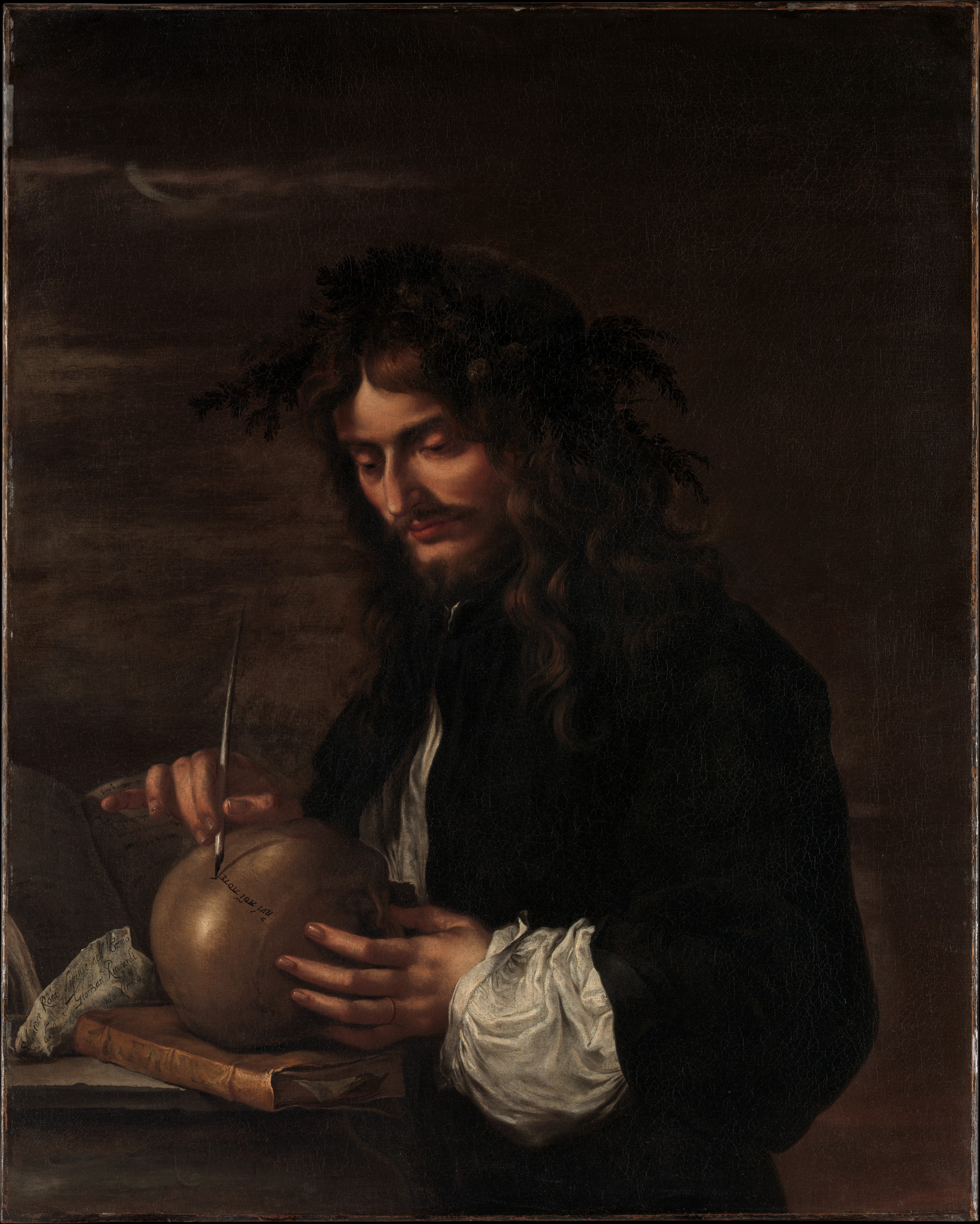
Salvator Rosa — "Self-Portrait" (ca. 1647), public domain
Holding for an Omen.
The Persian army outnumbered the Greeks two to one. But at daybreak, the Greek commanders refused to attack—not until the sacrificial signs were right. So thousands stood tense, waiting, as a priest tested the entrails again and again.
War Paused by the Gods.
Herodotus tells us the Greeks delayed for hours, desperate for a favorable omen. Persian arrows rained down. Only when the blood and organs finally showed victory did the Greek line surge forward—undaunted, unstoppable.
When Faith Moves Armies.
The Greeks won Plataea, ending Persia’s invasion. But for those hours, the fate of the West turned on the shape of a goat’s liver—reminding us how much war can hinge on belief, not just bravery.
The Greeks at Plataea wanted more than strategy—they wanted divine assurance, even if it meant stalling in the face of death.
