
Roman Hair Removal Rituals
A Roman woman’s beauty kit came stocked with pumice stones, resin, and even a tiny pair of tweezers—every tool needed to remove body hair from head to toe.
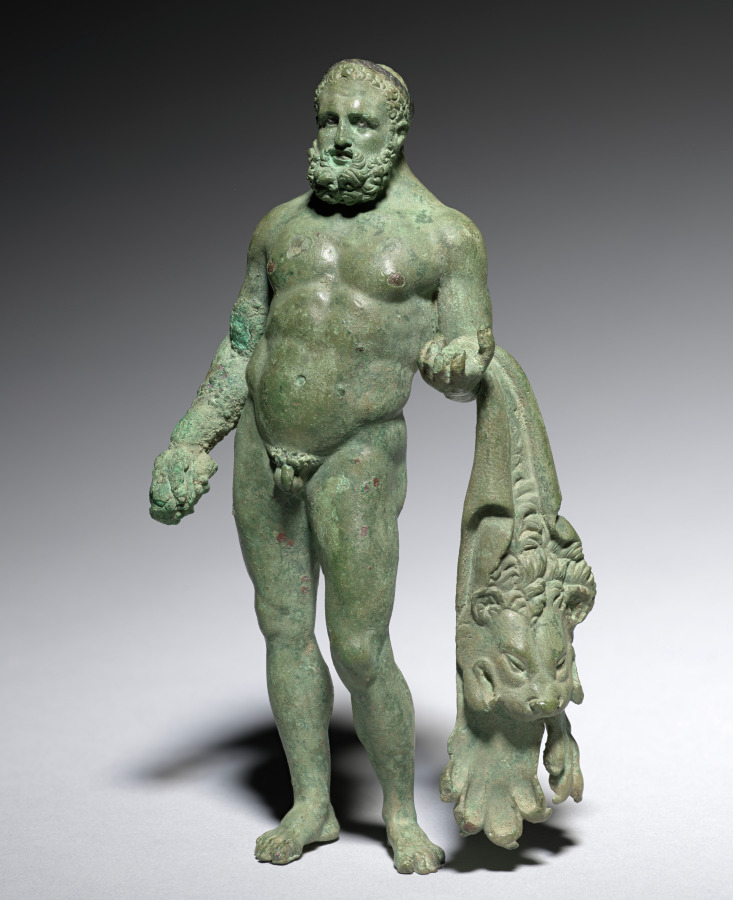
Unknown — "Hercules" (c. 30 BCE–20 CE), CC0
Beauty Was a Full-Body Commitment
A Roman woman’s beauty kit came stocked with pumice stones, resin, and even a tiny pair of tweezers—every tool needed to remove body hair from head to toe.
Pumice, Pitch, and Bronze Tweezers
Pliny the Elder describes how Roman women (and some men) tackled body hair: scraping with pumice, plucking with metal tweezers, and resorting to sticky resin or pitch. Archaeologists have found tweezers and scrapers in bathhouses and private homes across the empire, often crafted from bronze or silver. Beauty, here, was time-intensive—and painful.
Pliny the Elder describes how Roman women (and some men) tackled body hair: scraping with pumice, plucking with metal tweezers, and resorting to sticky resin or pitch. Archaeologists have found tweezers and scrapers in bathhouses and private homes across the empire, often crafted from bronze or silver. Beauty, here, was time-intensive—and painful.
