
The Last Ferry from Euboea
An entire Athenian army fled across the sea—on fishing boats and barrels, desperate to outrun the Spartans.
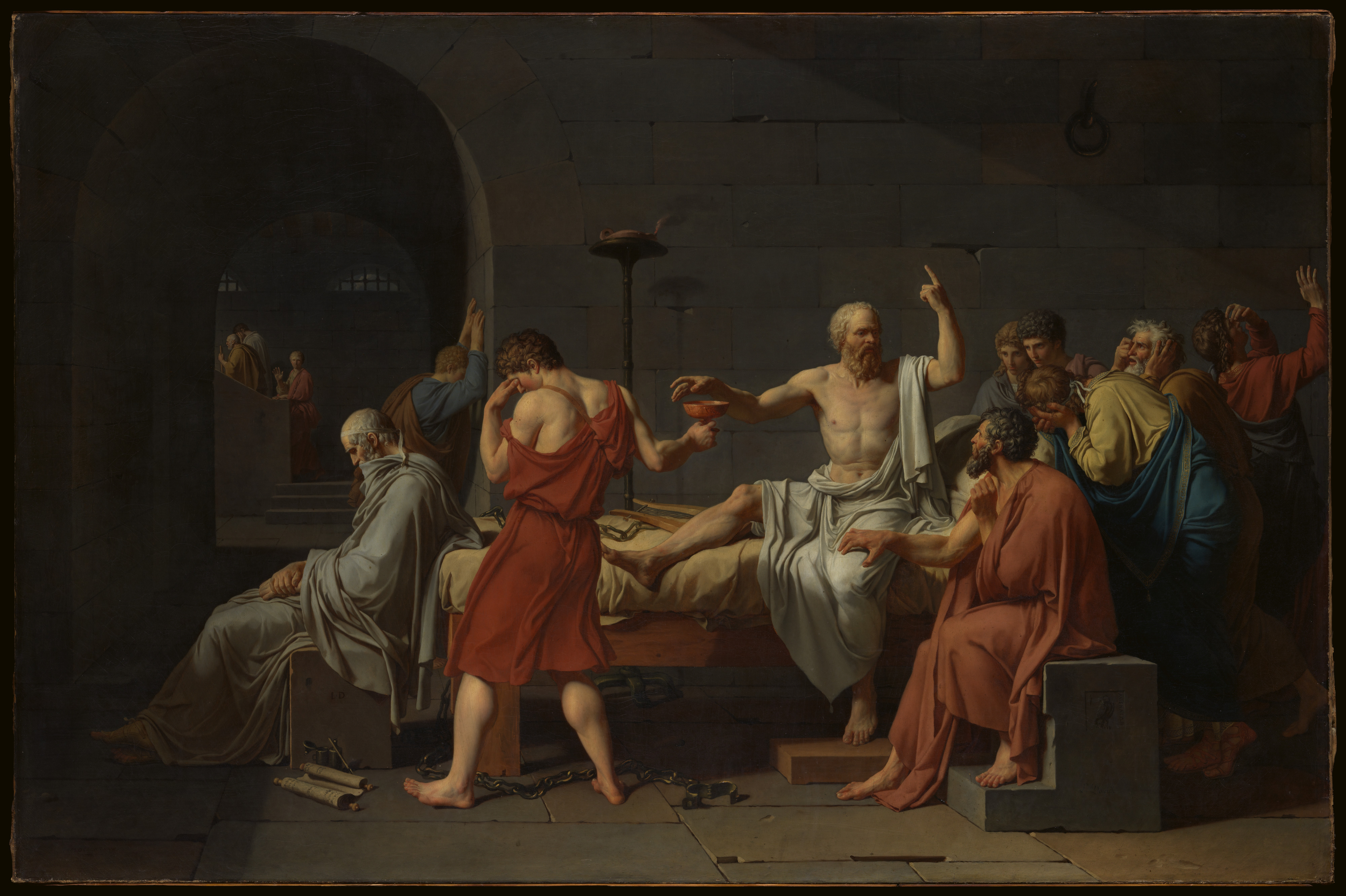
Jacques Louis David — "The Death of Socrates" (1787), public domain
Midnight Exodus from Eretria
When the Spartans marched into Eretria in 411 BC, panic swept the city. Athenians found themselves cut off, with only a narrow strip of water between life and death. In the chaos, soldiers, citizens, and even slaves crowded the piers—anything that would float became a lifeline.
A City Flees by Night
Ancient sources describe a moonless night lit by torches. Ferry boats left overloaded, some people clutching driftwood or barrels, the shouts of mothers searching for children drowned by oars in the black water. The Spartans entered a ghost town by dawn—a city emptied in hours.
The Cost of Fear
The Athenian survivors limped back to Athens, but their confidence was shattered. The ferry crossing became a symbol of how quickly a city can unravel—and how close the ancient world always was to the edge of disaster.
The fall of Eretria shattered Athenian confidence. Its citizens escaped at midnight—packed so tight on ferries that some tried to swim the strait.
