
Roman Dental Hygiene
Bronze toothpicks and dental scrapers turn up everywhere in Pompeii—sometimes tucked neatly next to the kitchen knives.
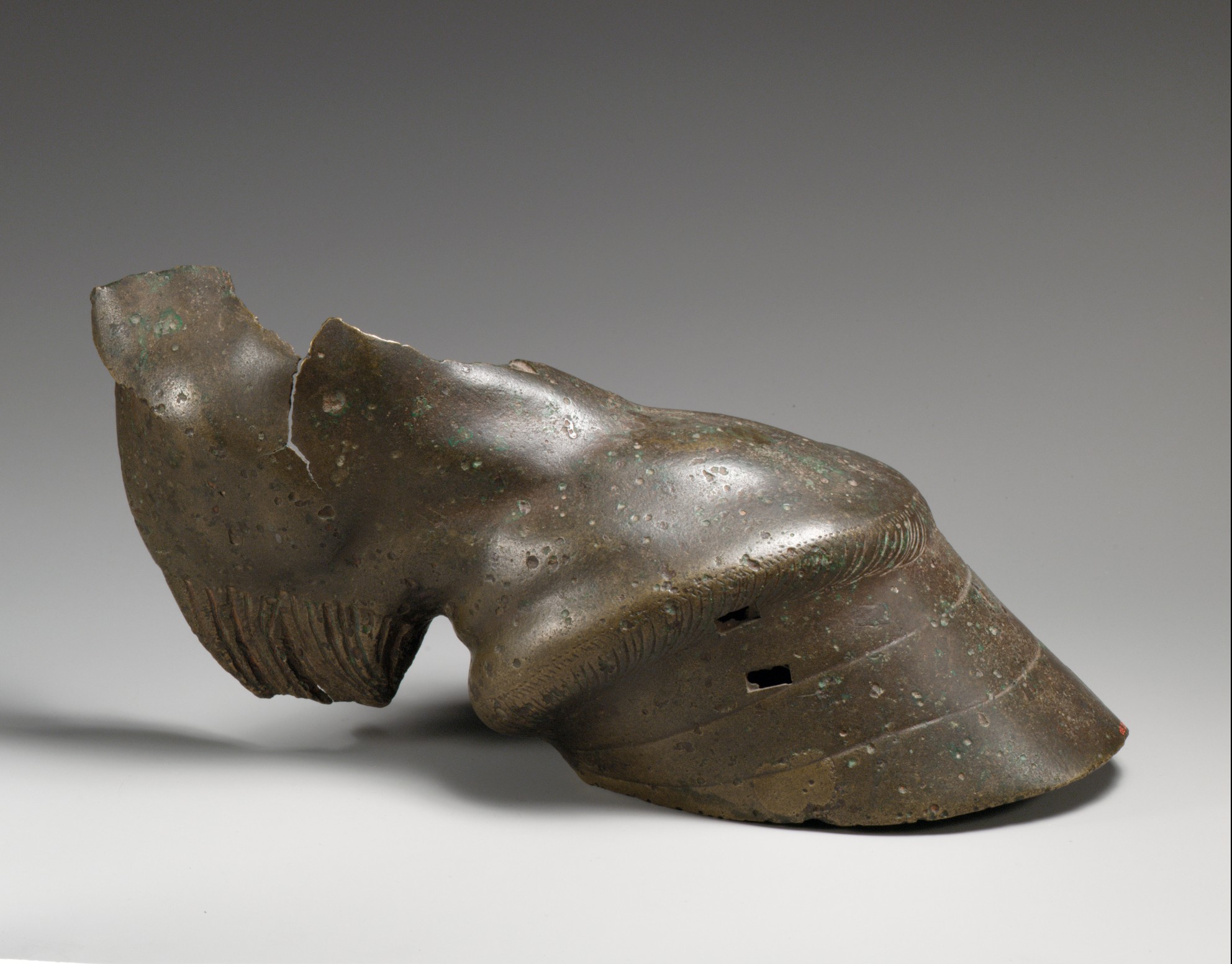
Unknown — "Bronze hoof of a horse" (1st–2nd century CE), public domain
Toothpicks On the Table
Bronze toothpicks and dental scrapers turn up everywhere in Pompeii—sometimes tucked neatly next to the kitchen knives. Romans didn’t just clean their teeth—they built little kits for it.
Dental Care, Roman Style
Archaeologists have found bronze toothpicks and spatulas in homes, graves, and bathhouses. Wealthier Romans even owned specialized tooth-cleaning sets. Their toothpaste? Powdered charcoal, bones, or shells mixed with wine. Not gentle, but effective.
Far from toothless, Romans were surprisingly attentive to oral hygiene. Archaeologists have uncovered bronze toothpicks, tiny tweezers, and dental spatulas in houses, graves, and even public baths. They weren’t decorative: ancient teeth show marks from cleaning and picking. You could buy these tools at the market, carry a set with your toiletries, and some wealthy Romans even had their own tooth-cleaning slaves. Toothpaste? Powdered charcoal, ground bones, or oyster shells—mixed with gritty wine. The ancient smile wasn’t pearly white, but it was worked on daily.
