
Greek Beehive Tombs: Monumental Graves for the Dead
Hundreds of tons of stone, stacked in a silent hillside, shaped like a beehive—built just to house the bones of a single powerful family.
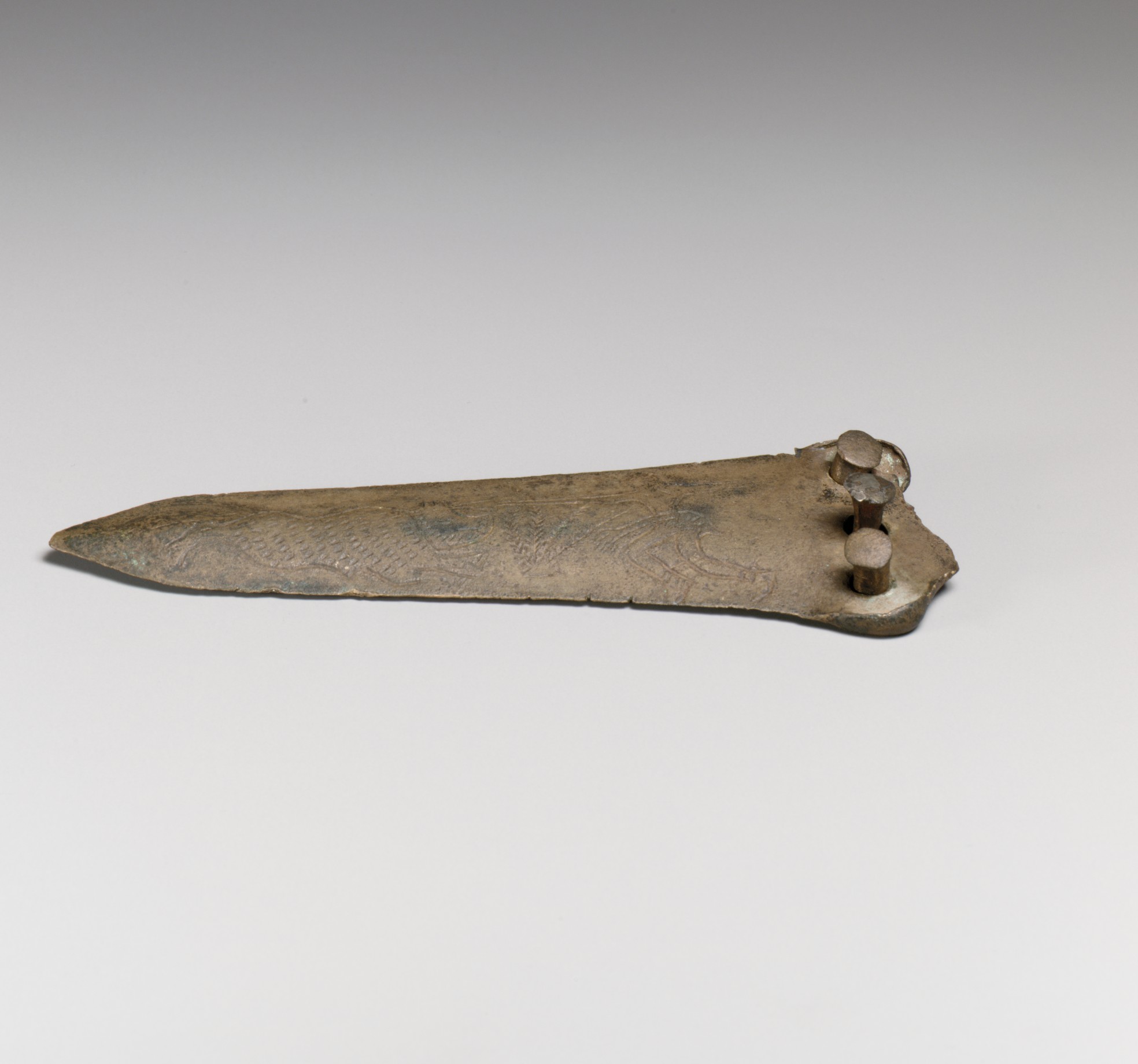
Unknown — "Bronze dagger" (ca. 1600–1450 BCE), public domain
Beehive Tombs—Stone Domes Older Than Rome
Long before the Romans, Mycenaean Greeks built dome-shaped tombs by hand, using stones stacked in perfect circles. Some of these so-called 'tholos' tombs are twenty feet high and wide enough for several people to stand inside at once.
Mathematics and Power Buried Together
The most famous example, the Treasury of Atreus, was built around 1250 BCE with stones weighing up to 10 tons each. No mortar holds them together—just geometry and labor. Only the richest and most powerful got a tomb like this.
Some Mycenaean tombs, like the Treasury of Atreus at Mycenae, used dome construction over a thousand years before Rome’s Pantheon. Step inside and you’re inside a mathematical marvel—no mortar, just blocks fanning upward until the ceiling closes.
