
Thucydides, the Survivor Who Would Not Flinch
The historian caught the plague himself—and lived to describe every symptom, from bloody throat to the city’s collective madness, while others lied or ran.
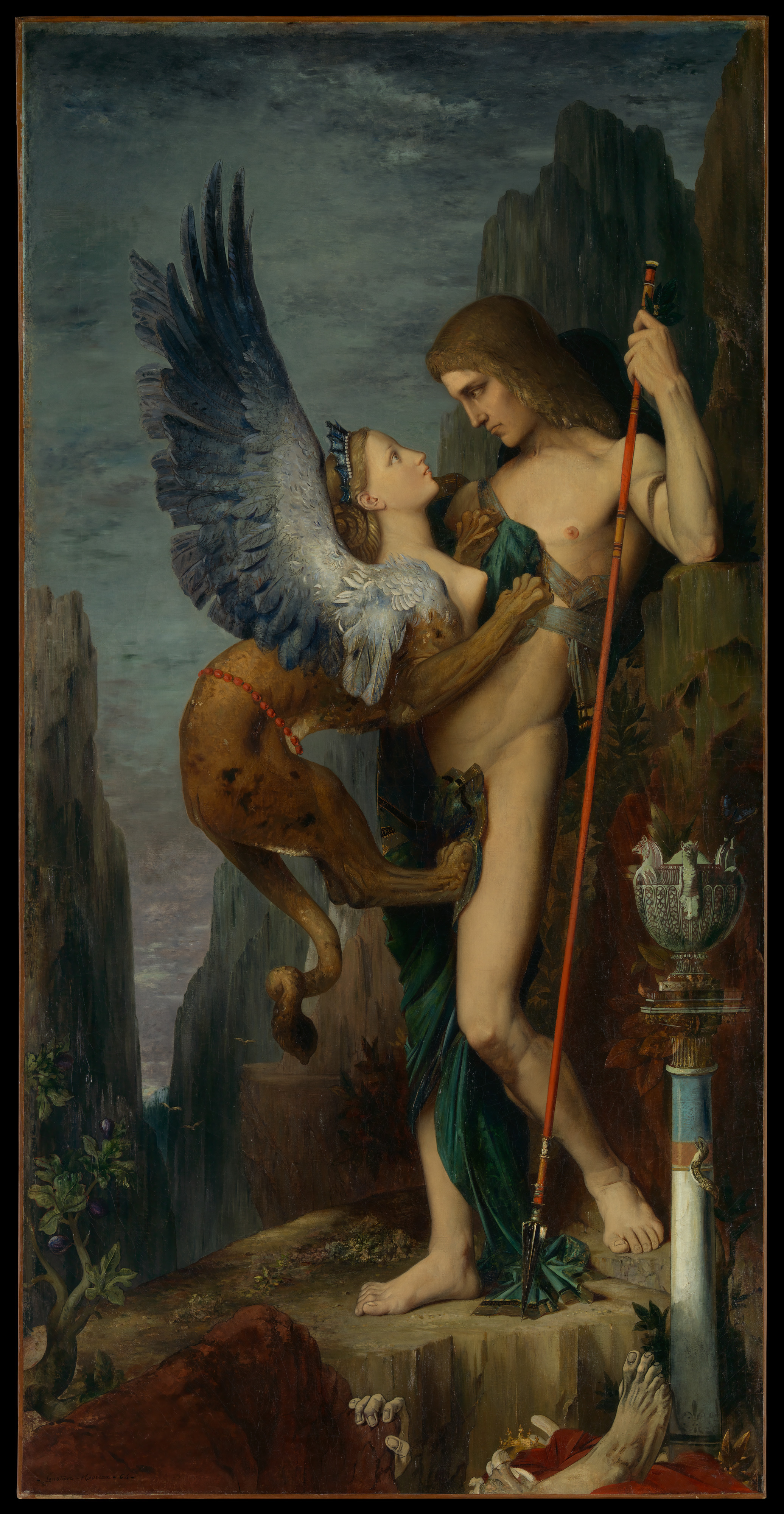
Gustave Moreau — "Oedipus and the Sphinx" (1864), public domain
The Plague Hits—He Writes
Thucydides lies feverish in Athens as plague rips through the city. He watches neighbors die, priests fail, bodies piled at the gates. When he recovers, he puts it all down—every horror, every rumor, every failure of faith.
Witness Without Illusion
Others try to blame foreign poisons or angry gods. Thucydides sticks to what he can see and prove. He refuses comforting stories, even when they would soothe a city starved for hope. He records how fear and desperation turned democracy on itself.
When History Flinches, He Does Not
For Thucydides, truth comes before reputation. He makes the reader stare as long as he did—so we don’t forget what people become when the world cracks open.
Thucydides’ ruthless honesty set a new standard for history. He spares no one, least of all himself. He shows us how catastrophe exposes what people truly are—noble, cruel, terrified, or all at once.
