
Athenian Law: The Adulterer’s Radish
Athenians punished male adulterers by shoving a radish up a very personal place. And that was just the start.
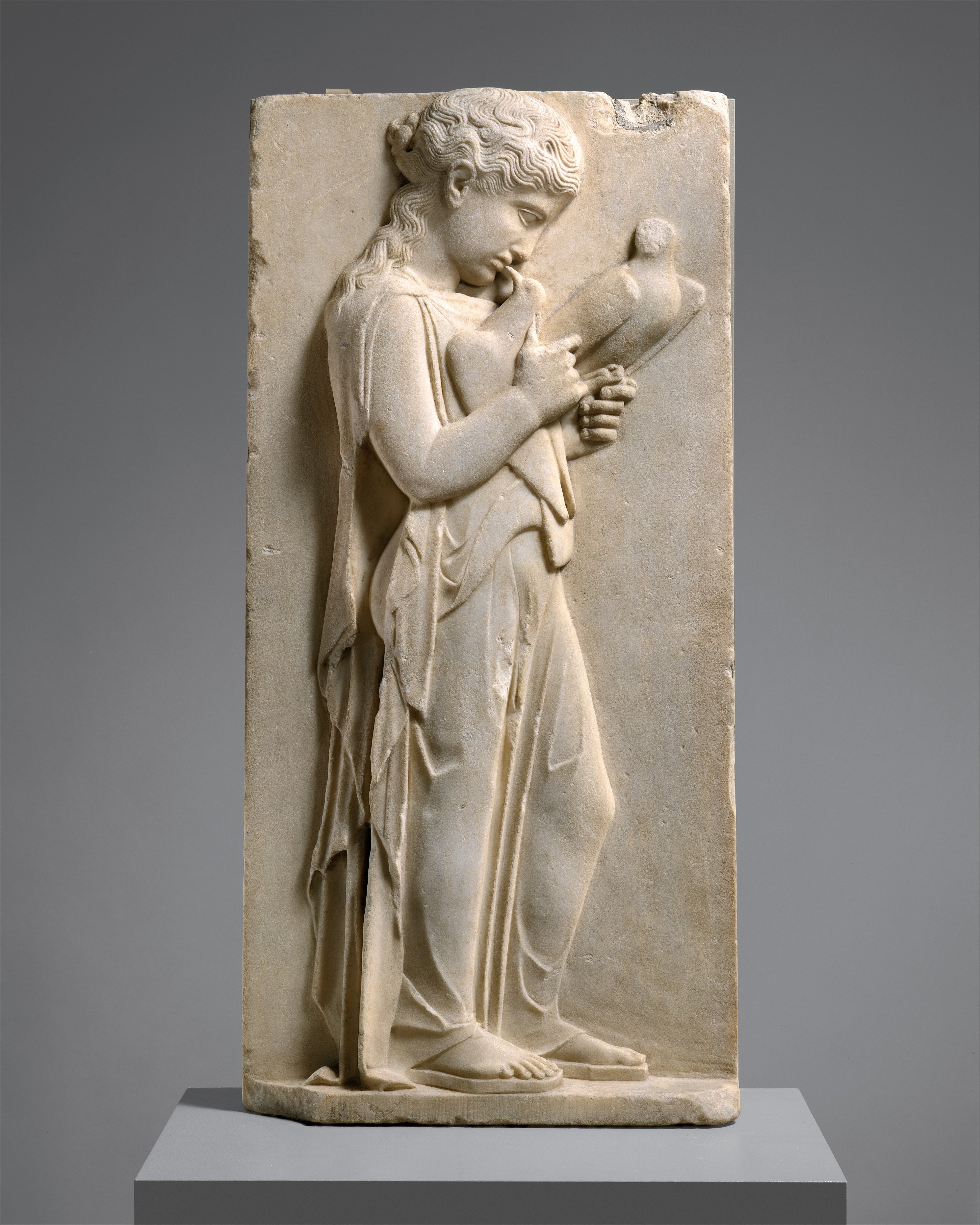
Unknown — "Marble grave stele of a little girl" (ca. 450–440 BCE), public domain
The Radish Penalty
In classical Athens, a man caught committing adultery could be sentenced to rhaphanidosis—having a radish forced into his rectum, often in front of a crowd. Aristophanes, the master of Greek comedy, gets gleeful mileage out of this punishment in his plays.
Punishment by Shame
Why a radish? The real pain was the humiliation. Athenian law aimed to disgrace the adulterer as a warning to others. Sometimes a spiny fish was substituted. Legal texts and ancient jokes agree: in Athens, few punishments were quite as memorable—or as public.
The penalty for a man caught sleeping with another man’s wife wasn’t just a fine. Public humiliation was the real punishment: a radish (or sometimes a spiny fish) forcibly inserted as crowds jeered. Ancient law codes and comic plays confirm it. For Athenians, shame hurt more than pain.
