
Cato the Younger on Silence
"I begin to speak only when I am certain what to say is not better left unsaid." — Cato the Younger, the Senate’s last immovable object, measured every word as if it might be his last.
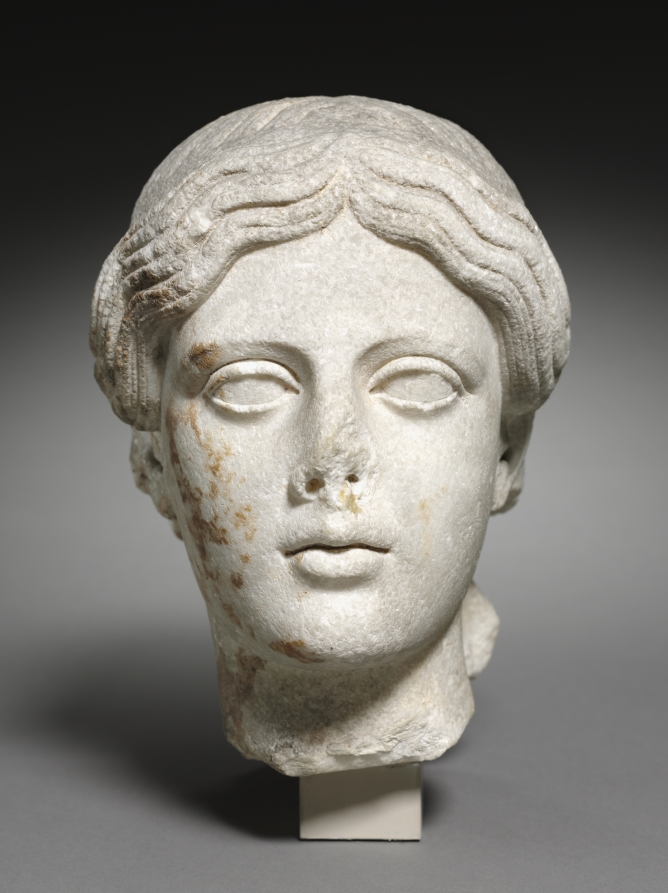
Unknown — "Idealized Head" (50 BCE–100 CE), CC0
Silence as armor.
Plutarch, in his Life of Cato the Younger (chapter 4), records: «ἄρχομαι λέγειν ὃταν ὦ βέβαιος ὅτι τὰ λεκτέα οὐ βέλτιον ἐστὶ τοῦ σιγᾶν.» — “I begin to speak only when I am certain what to say is not better left unsaid.” For Cato, every word was deliberate. No rhetoric, just resistance.
Why silence mattered.
Cato lived under dictators, filibustered corruption, and saw friends swallowed by political games. To him, talk was cheap but silence had weight — a shield when the truth was dangerous, and a weapon when everyone else was lying.
The last Roman.
Cato outlasted Sulla, Julius Caesar, and every easy compromise. He drank only water, wore the same rough cloak, and met his end by his own hand, refusing to serve a tyrant. When he did speak, Rome listened.
In a world flooded with speeches, Cato’s restraint meant survival — and sometimes sacrifice.
