Fragmenta.
How It WorksPricingTodayBlogESDownload for iOS
ES
Today›Myth Buster
Myth Buster·Ancient Greece·Classical Greece

Spartan Hairstyles in War

Picture a Spartan: hair cropped, no-nonsense, like a marine. But real Spartans went into battle with their hair long, carefully combed and oiled.
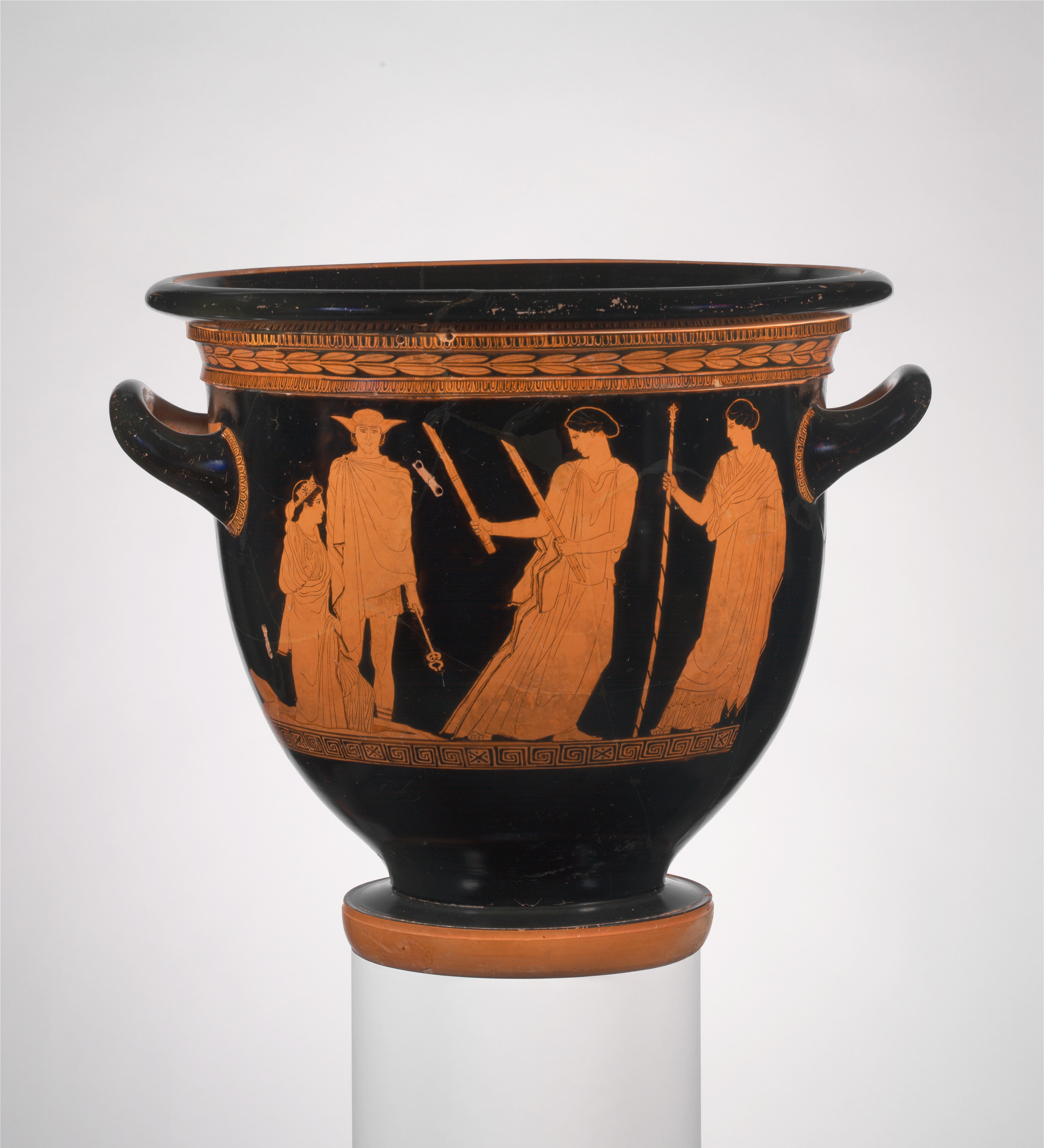
Spartan Hairstyles in War

Persephone Painter — "Terracotta bell-krater (bowl for mixing wine and water)" (ca. 440 BCE), public domain

The myth: all business, short hair.

You’ve seen it in movies: Spartan warriors with military buzz cuts, all sharp edges and discipline. The image screams efficiency—nothing for the enemy to grab. But that’s not how Spartans fought.

Real Spartans flaunted long hair.

Herodotus writes that Spartans prided themselves on their hair—especially in war. Just before marching out to certain death at Thermopylae, they calmly groomed their flowing locks. For Spartans, long hair signaled freedom and courage.

How did the myth start?

Modern armies associate short hair with discipline, so pop culture painted Spartans the same way. But ancient Greeks believed wild, well-kept hair projected strength and fearlessness—no helmet hair required.

Far from a practical buzz cut, the legendary warriors believed long, flowing hair was a badge of pride and terror—Herodotus even says they groomed it before Thermopylae.

Continue reading in the app

Daily fragments of ancient history, designed for your morning routine.

Download for iOS
5.0 on the App Store

Keep reading

Story · Late Republican Rome

Clodia, the Poison Trial, and Cicero’s Spin

In a packed Roman court, Clodia stood accused of poisoning her own lover—while the crowd waited for Cicero to tear her reputation to shreds.

Quote · Imperial Rome

Musonius Rufus on Anger

"He is most powerful who has himself in his own power." — Musonius Rufus, the hard-edged Stoic, taught: «Κρατιστεῖ δ' ἀνὴρ ὁ ἑαυτοῦ κύριος» — "The mightiest man is master of himself."

On This Day · Late Republic and Empire

On This Day: The Ludi Florales Bloom in Rome

April 28: Rome bursts alive with the first day of the Ludi Florales—flower petals, crude comedies, and dancers in nothing but garlands.

Fact · Classical Athens

Athenians Fined for Pooping in Public

In 4th-century BC Athens, you could be fined for letting your donkey—or yourself—relieve itself on a public path.

Fragmenta.

Made with care for history that deserves it.

App Store

Product

How It WorksDaily FragmentsFeaturesToday in HistoryBlogDownload

Legal

Privacy PolicyTerms of ServiceEULASupportPress

Connect

TikTok
© 2026 Fragmenta. All rights reserved.