Fragmenta.
How It WorksPricingTodayBlogESDownload for iOS
ES
Today›Myth Buster
Myth Buster·Ancient Greece·Classical Greece

Spartan Exposure of Infants

We picture Spartans coldly tossing weak babies off a cliff—no mercy for imperfection. The truth is murkier—and stranger.
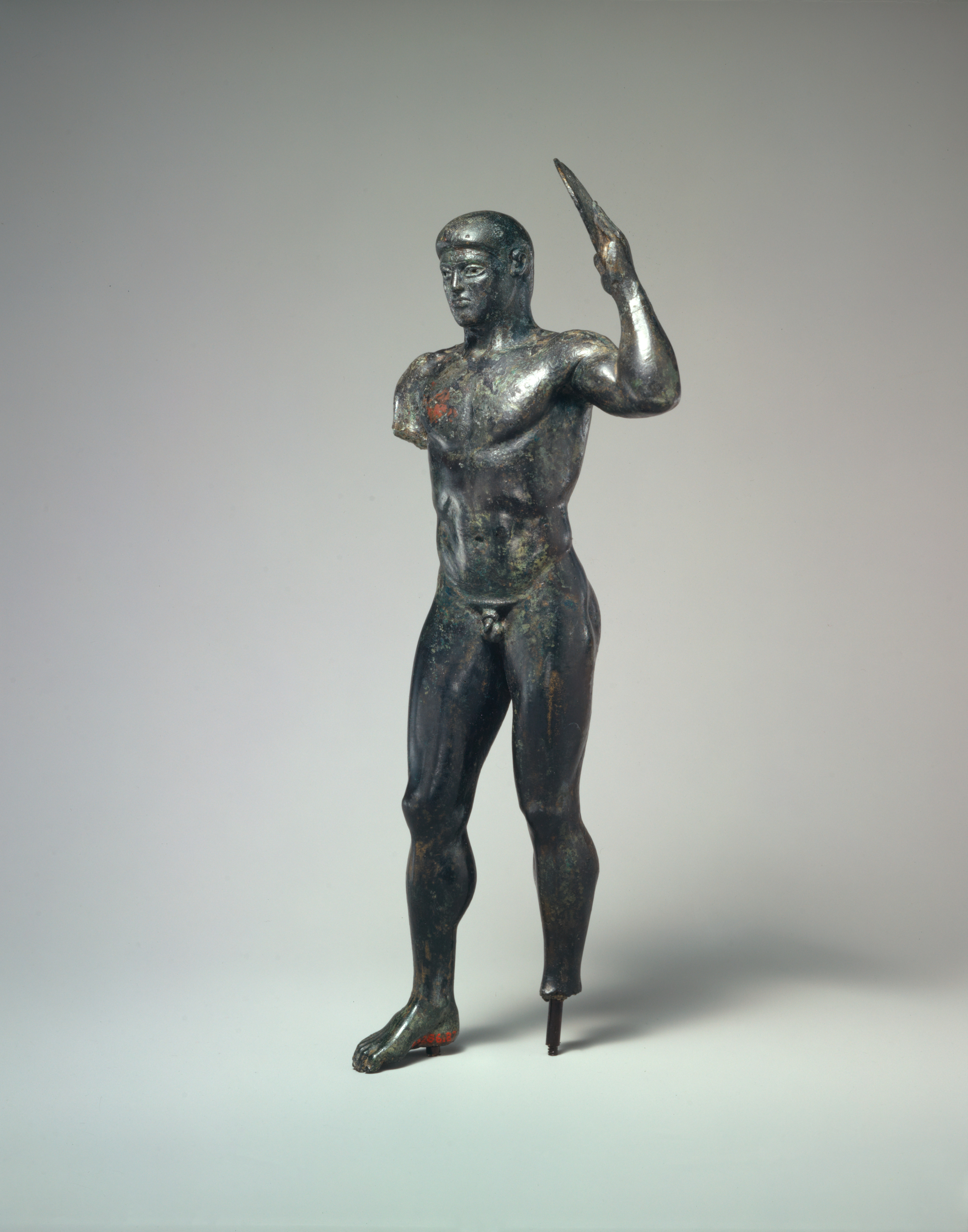
Spartan Exposure of Infants

Unknown — "Bronze diskos thrower" (ca. 480–460 BCE), public domain

The myth: Spartan babies tossed from cliffs.

The tale goes that any Spartan baby judged weak was hurled from Mount Taygetus—ancient history’s coldest parenting. Pop culture serves up the image: a city with zero tolerance for imperfection.

Bureaucracy, not murder cliffs.

Plutarch tells us a council inspected every newborn. But most rejected babies were left at the foot of the mountain—not thrown. Archaeology finds little evidence for mass infant death sites. Some abandoned infants were even rescued and adopted by others.

How did this myth take hold?

Later writers exaggerated Spartan harshness to paint them as superhuman—or monstrous. Victorian textbooks loved the drama. Reality? The process was grim, but less cinematic than myth.

While infanticide did occur, the legendary ritual of cliff-throwing isn't backed by ancient evidence. The reality was far more bureaucratic: a city committee inspected newborns, and only a small number were abandoned, often outside rather than over a precipice.

Continue reading in the app

Daily fragments of ancient history, designed for your morning routine.

Download for iOS
5.0 on the App Store

Keep reading

Story · Late Republican Rome

Clodia, the Poison Trial, and Cicero’s Spin

In a packed Roman court, Clodia stood accused of poisoning her own lover—while the crowd waited for Cicero to tear her reputation to shreds.

Quote · Imperial Rome

Musonius Rufus on Anger

"He is most powerful who has himself in his own power." — Musonius Rufus, the hard-edged Stoic, taught: «Κρατιστεῖ δ' ἀνὴρ ὁ ἑαυτοῦ κύριος» — "The mightiest man is master of himself."

On This Day · Late Republic and Empire

On This Day: The Ludi Florales Bloom in Rome

April 28: Rome bursts alive with the first day of the Ludi Florales—flower petals, crude comedies, and dancers in nothing but garlands.

Fact · Classical Athens

Athenians Fined for Pooping in Public

In 4th-century BC Athens, you could be fined for letting your donkey—or yourself—relieve itself on a public path.

Fragmenta.

Made with care for history that deserves it.

App Store

Product

How It WorksDaily FragmentsFeaturesToday in HistoryBlogDownload

Legal

Privacy PolicyTerms of ServiceEULASupportPress

Connect

TikTok
© 2026 Fragmenta. All rights reserved.