
Seneca on Wasting Life
"What man can you show me who places any value on his time, who reckons the worth of each day?" — Seneca didn't think this was a rhetorical question.
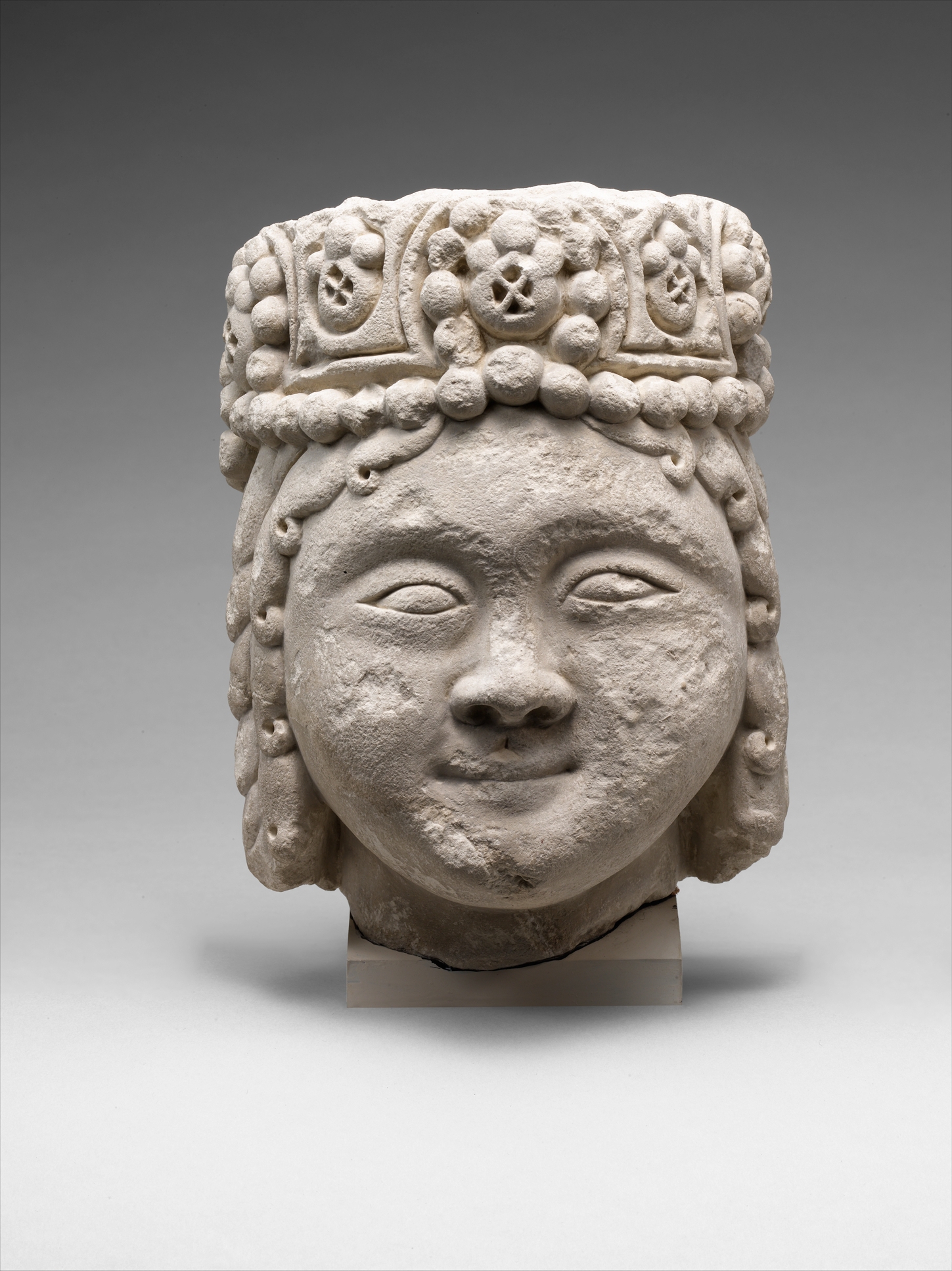
Unknown — "Head from a Figure with a Beaded Headdress" (12th–early 13th century), public domain
Time, the only currency
Seneca, in his essay De Brevitate Vitae (On the Shortness of Life, chapter 3), writes: «Quem mihi dabis hominem qui aliquod pretium tempori ponat?» — "What man can you show me who places any value on his time, who reckons the worth of each day?" To Seneca, wasting time was worse than theft.
Why he obsessed over lost days
Seneca saw Romans trade fortunes for a new slave or villa, but never fuss over lost hours. For Stoics, time is the only resource you don't get back. Seneca knew this first-hand—rich in everything, he watched friends waste themselves on power games and parties.
Who was Seneca, really?
A philosopher, playwright, and power broker, Seneca spent his life balancing high office and exile, fortune and fear. He wrote his hardest truths during forced retreat—maybe when he finally had time to reckon what his own days were worth.
Seneca’s audience wasn’t some distant philosopher—it was every Roman drowning in court gossip and business deals, watching their days slip away. His razor-sharp question lands just as hard for us, two millennia later.
