
Seneca on the Value of Life
"Life is long, if you know how to use it." — Seneca, writing from the heart of imperial power, flips our complaint.
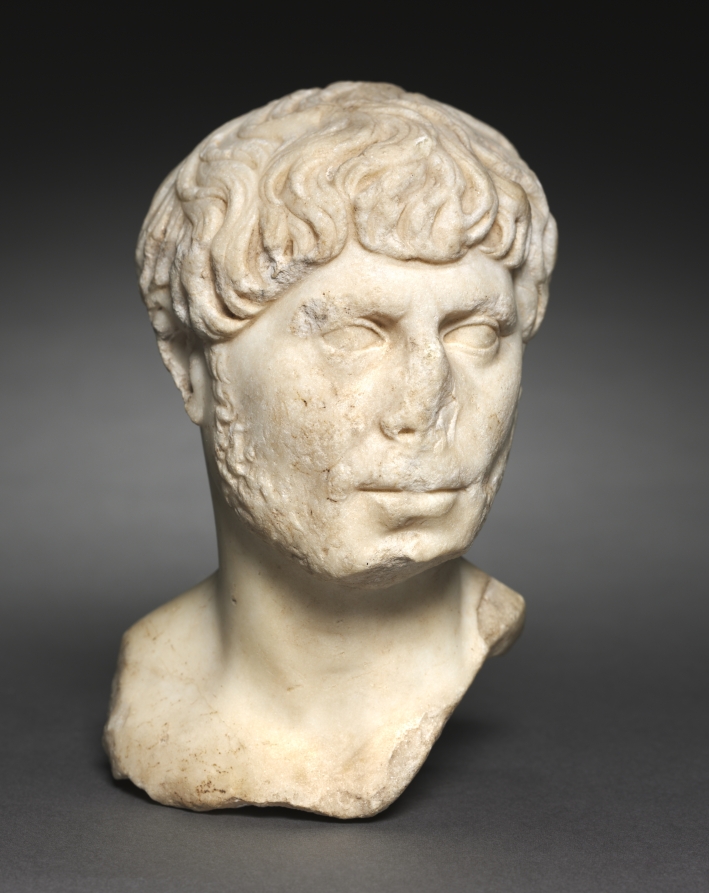
Unknown — "Head of a Bearded Man" (c. 125 CE), CC0
Time isn’t the real problem.
Seneca, in De Brevitate Vitae (On the Shortness of Life), writes: «Vita si uti scias longa est.» — "Life is long, if you know how to use it." He wasn’t being glib. He saw senators and emperors squandering decades, then begging for an extra hour.
Seneca’s audit of the hours.
Seneca argued that most people don’t live—they merely exist, drifting from one distraction to another. Stoic philosophy is a plea to focus, to live each day as if it mattered. Seneca’s own life, lived mostly on borrowed time, was proof of principle.
A philosophy against hurry.
Forced to tutor Nero, exiled from Rome, Seneca wrote letters counseling friends about urgency. He knew about deadlines—literal and fatal. His words land sharply now, in the age of the calendar alert and the open tab.
Seneca’s reminder cuts through ‘busy decades’: it’s not years, but meaning, that stretches life. He lived his philosophy under threat—and bequeathed this sting to everyone too distracted to notice.
