
Roman Bakery Bread Had Air Holes for Cooling
A loaf of Pompeian bread comes stamped and slashed—not just for looks. Each round is marked with deep cuts and tiny holes, baked before the eruption of Vesuvius.
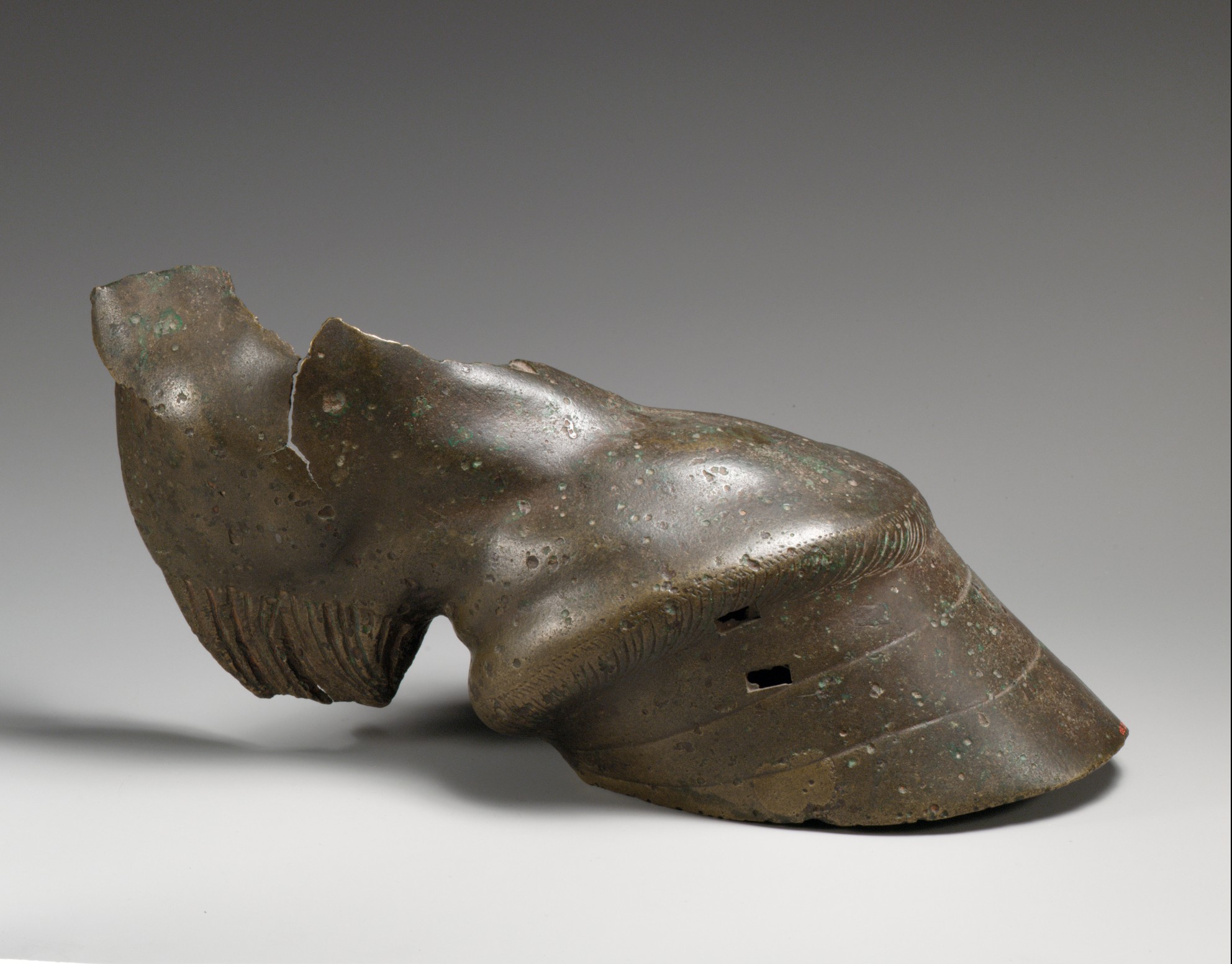
Unknown — "Bronze hoof of a horse" (1st–2nd century CE), public domain
Pompeii's Bread with Holes and Stamps
A loaf of Pompeian bread comes stamped and slashed—not just for looks. Each round is marked with deep cuts and tiny holes, baked before the eruption of Vesuvius.
Steam Vents and Portion Marks, Not Decoration
Those slashes and holes served a purpose: Roman bakers used them to mark portions for sale and to let steam escape, making bread easier to break and keeping it from getting soggy inside. Archaeologists have found heaps of these loaves, still ringed with baker's stamps and scored with those same neat slices. Even in carb country, presentation—and practicality—mattered.
Those slashes and holes served a purpose: Roman bakers used them to mark portions for sale and to let steam escape, making bread easier to break and keeping it from getting soggy inside. Archaeologists have found heaps of these loaves, still ringed with baker's stamps and scored with those same neat slices. Even in carb country, presentation—and practicality—mattered.
