
Urine Was Taxed—And Used for Laundry
Roman businessmen got rich collecting pee from public toilets—and paid taxes on it.
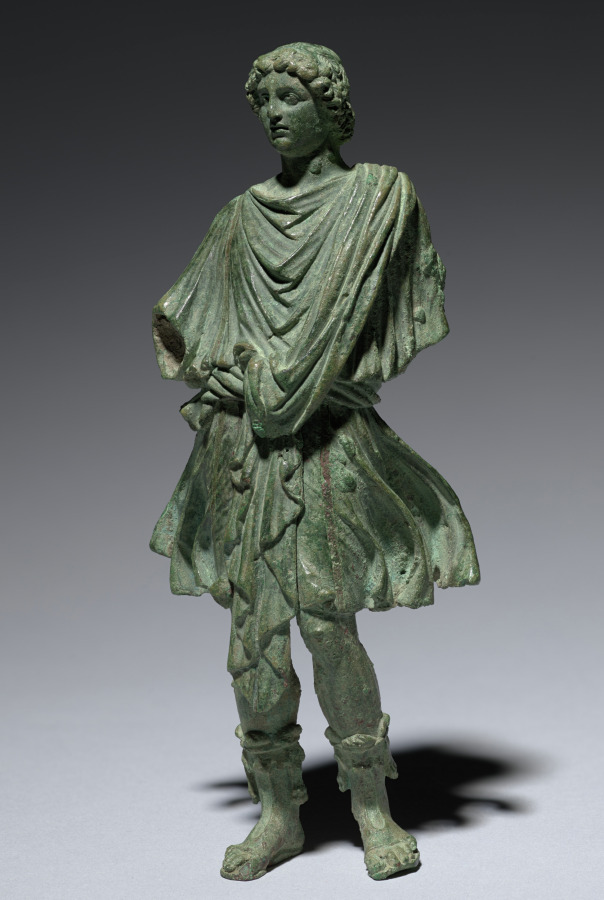
Unknown — "Lar" (1–25 CE), CC0
Money Flows Where Urine Goes
Roman public toilets weren’t just for convenience—they were a business opportunity. Entrepreneurs paid to collect urine in big jars set out on the streets, then sold the liquid gold to laundry shops and tanners.
Washing With Pungency—And Profit
Urine contains ammonia, a natural stain-buster. Roman fullers used it to clean wool, bleach garments, and even soften leather. When Vespasian taxed the trade, some people complained. He famously held a coin to his nose and declared, 'Money doesn’t stink.'
Urine wasn’t just for sewers in ancient Rome. Tanners and fullers (professional laundries) used it as a powerful cleaning agent to whiten togas and break down stains. Emperor Vespasian even imposed a urine tax, and public urinals were big business—so much so, the phrase “pecunia non olet” (“money doesn’t stink”) was born out of it. Roman hygiene: practical, pungent, and profitable.
