
Were Roman Togas Always Pure White?
You picture Romans wrapped in blinding white togas, spotless and shining in the Mediterranean sun. Movie Romans are always dressed like laundry-fresh ghosts.
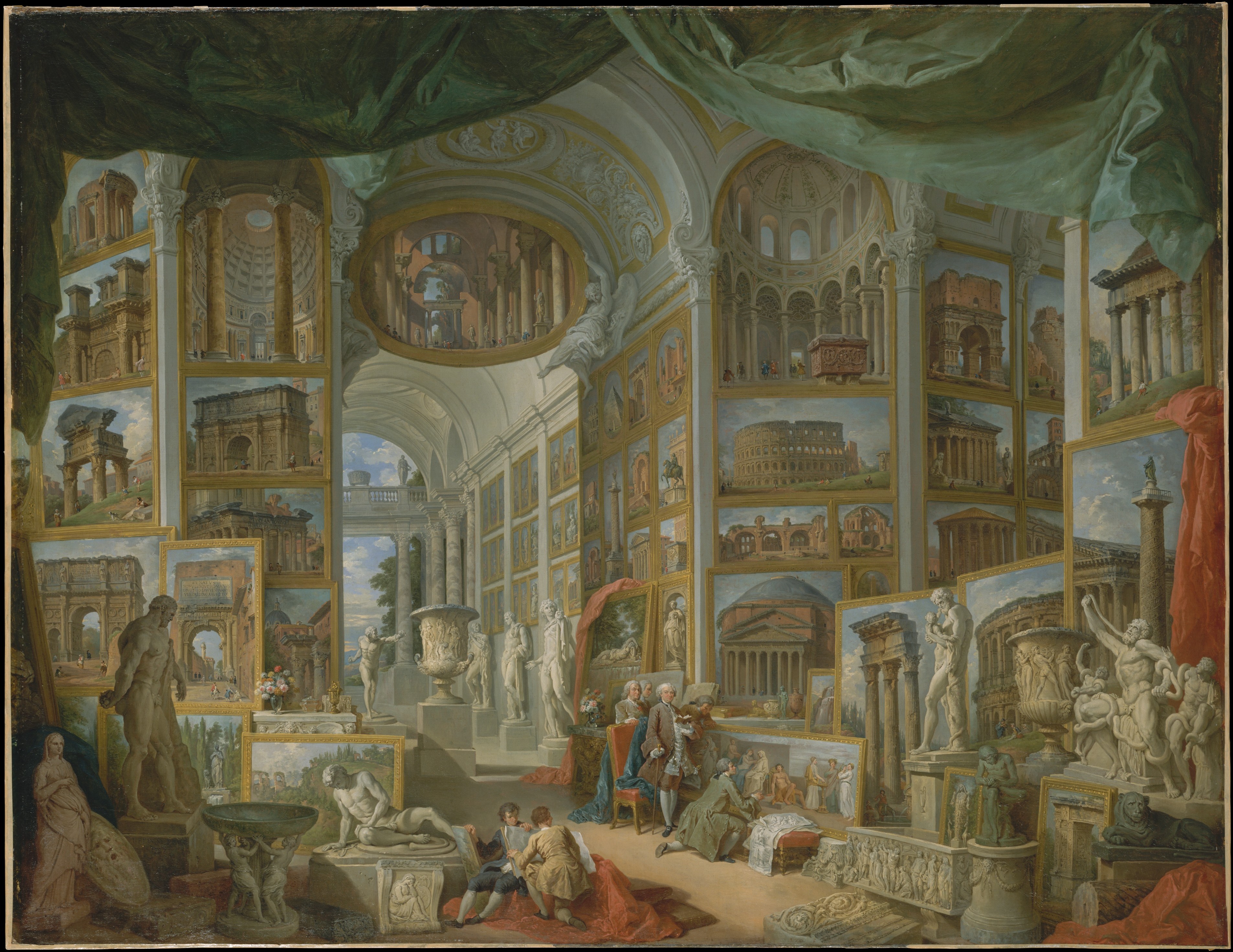
Panini — "Ancient Rome" (1757), public domain
Myth: Every Roman Wore a Dazzling White Toga
Walk into any sword-and-sandal movie and you'll see it: Romans draped in perfect white togas, glowing in the forum. The ultimate ancient power suit—pure, clean, one-size-fits-all. Surely all citizens dressed like this, right?
The Truth: Most Togas Weren't White or Everyday
A real Roman’s toga was more like a heavy, off-white blanket. Full white was reserved for special occasions. Political candidates wore the chalked 'toga candida.' Senators sported purple stripes. Mourning Romans wore dark togas. Most days, people wore tunics—togas were rare, hard to clean, and notoriously hard to wear.
Why Do We Picture Ghostly White?
Roman statuary, marble, and Renaissance painters set the style—everyone copying statues and imagining Rome as a place of pure white. Movies followed, and the myth was set in stone (literally). Real-life Rome was dustier, sweatier, and a lot less blinding.
Many togas were dyed or off-white, and some even signaled rank with purple stripes or deep crimson. The blinding white toga was a special garment—the 'toga candida'—worn only by political candidates, scrubbed with chalk to make it unmissably bright.
