
Phocion Says No to Death
As an Athenian mob howled for blood, General Phocion stood silent—then asked for a final cup of hemlock, not mercy.
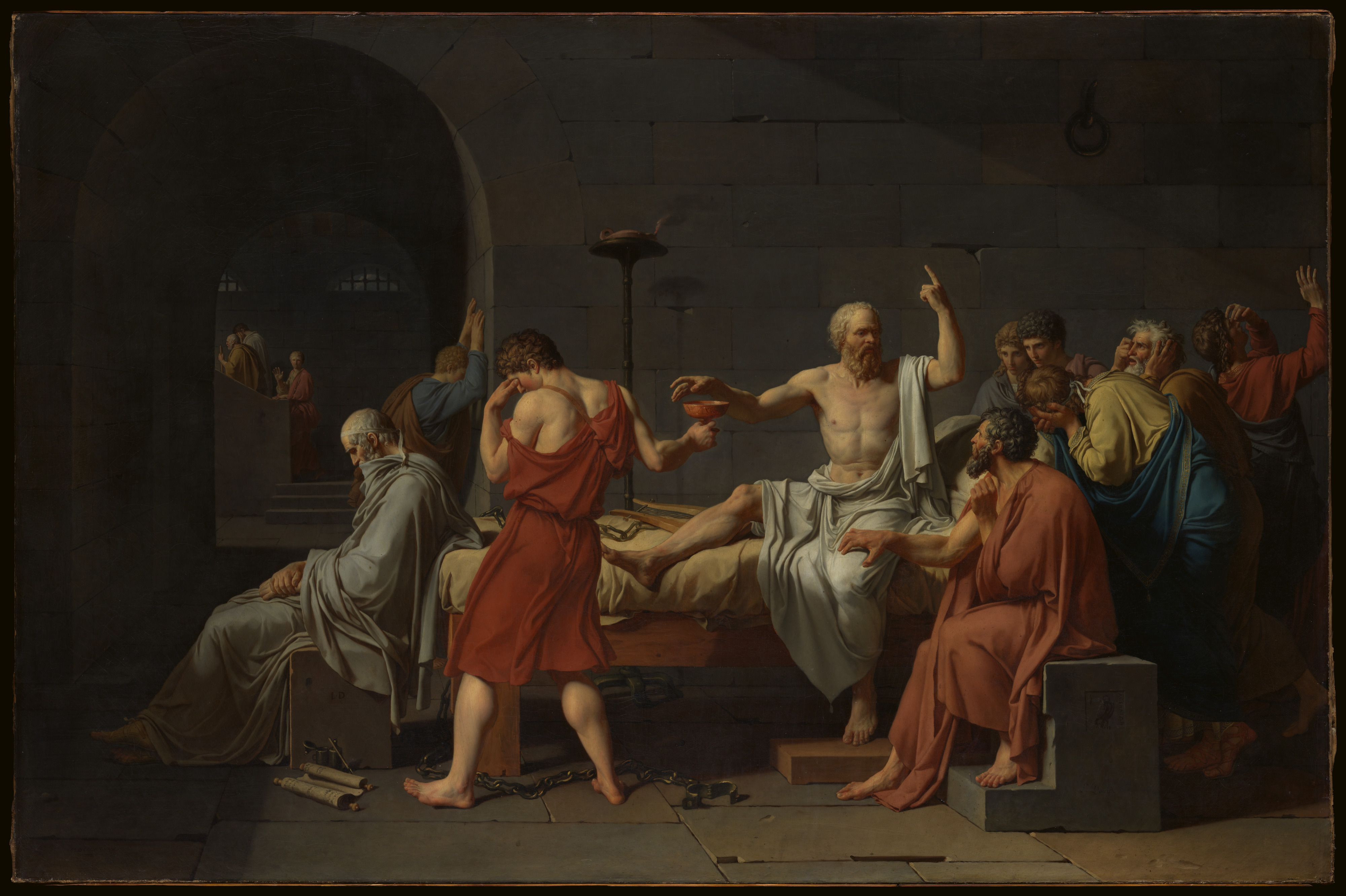
David — "The Death of Socrates" (1787), public domain
A quiet stand against a furious city.
In 318 BC, Athens’ most respected general, Phocion, was sentenced to death on charges of treason. The Assembly demanded he beg for mercy. Instead, Phocion kept his poise. He refused to grovel or flatter. He asked only that they administer a proper dose of hemlock—so he wouldn’t die poorly.
Not a hero—just himself.
Even as the executioner prepared the poison, Phocion’s enemies jeered. He drank calmly, rejecting last-minute interventions. After his death, his body was denied burial in Athens—so loyal friends snuck his ashes home under cover of night. His quiet defiance became the story Athens could never erase.
Even at the end, Phocion refused to flatter the crowd—choosing a philosopher’s death over a politician’s survival.
