
Who Really Wore Purple in Rome?
Picture a Roman senator: white toga, bold purple stripe—the ultimate power move. But Hollywood loves to deck them in pure purple from head to toe.
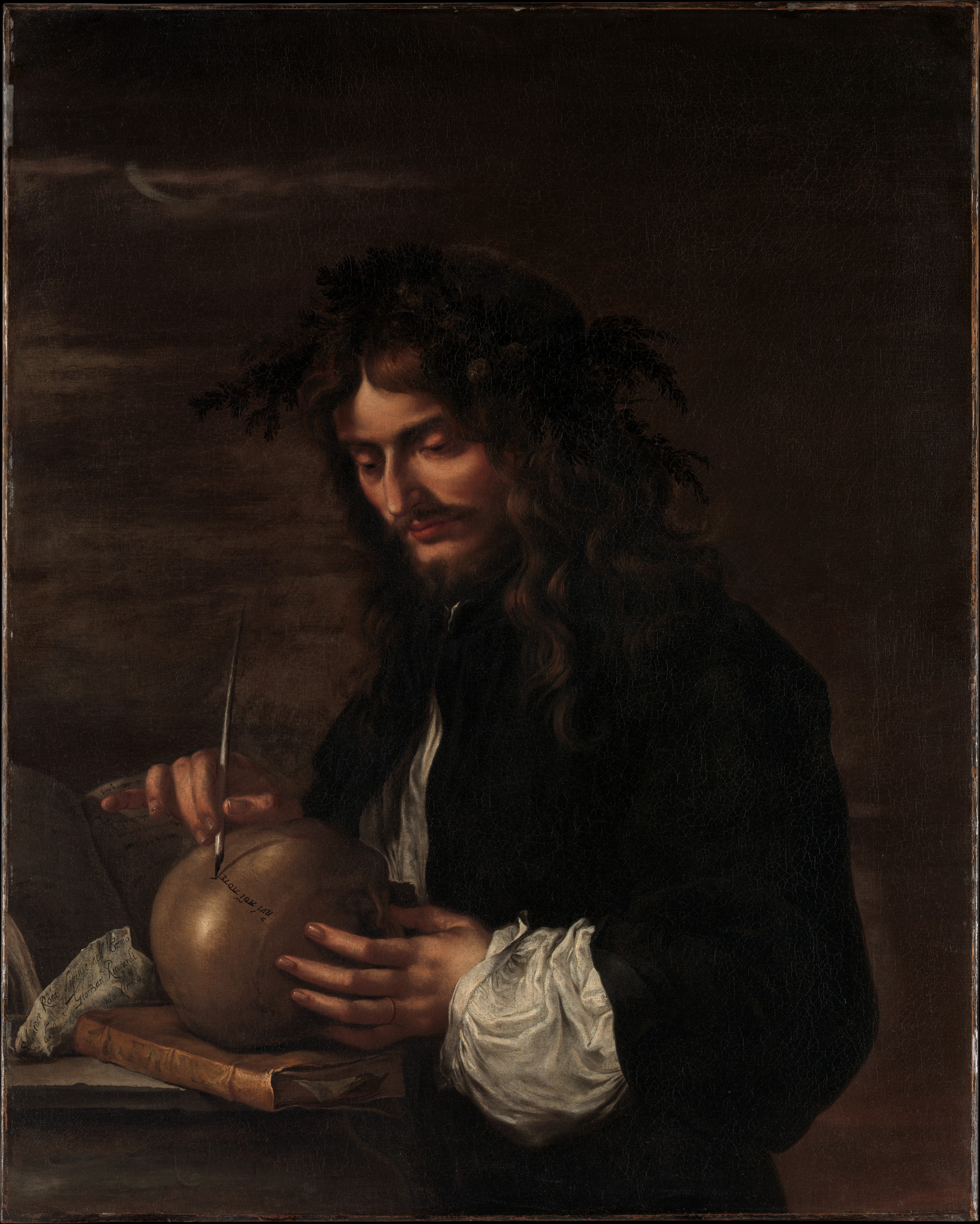
Salvator Rosa — "Self-Portrait" (ca. 1647), public domain
The myth of the purple toga.
Movies love to drape senators and magistrates in rich, solid-purple togas—a look that screams power and luxury. If you picture the Roman Senate as a sea of violet wool, you’re not alone.
A thin stripe, not a cloak of purple.
In reality, only the emperor could don the fully purple toga picta. Senators wore togas with a single wide purple stripe—the 'latus clavus'—on a field of white. Even that narrow band sent a message: you were elite, but not divine.
Why the confusion?
Bright purple dye was so rare it was almost worth its weight in gold. Later Roman emperors made it their exclusive mark, and medieval artists took creative liberties—flooding paintings and manuscripts with purple for imperial pizzazz.
Only emperors had the right to wear a toga entirely dyed in purple. Senators and magistrates settled for a narrow purple stripe—the 'latus clavus'—on a white background. Bright purple wasn’t just fashion; it was political dynamite.
