
Roman Senate: Not All Backstabbing
Picture the Roman Senate as a den of knives—every man for himself, daggers hidden in every toga. But most senators spent decades on polite committees and never saw bloodshed.
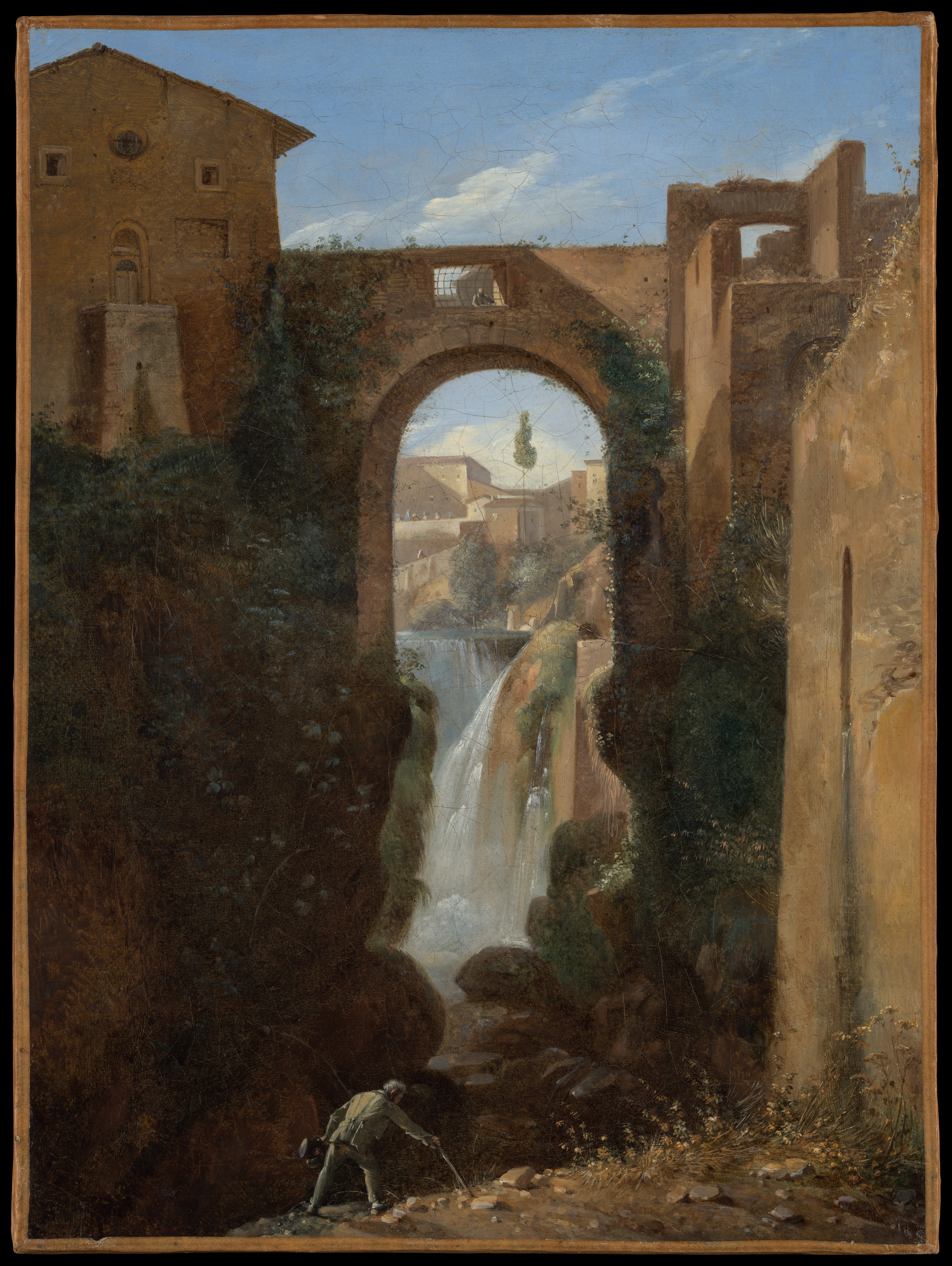
François Marius Granet — "Ponte San Rocco and Waterfalls, Tivoli" (ca. 1810–20), public domain
Senators drawing daggers, right?
Every movie lines up the Senate as a nest of traitors—Julius Caesar surrounded by gritted teeth and hidden knives. You picture a single, deadly vote spiraling into chaos. But the day-to-day Senate was far less bloody than Hollywood lets on.
Debate, not murder, ruled the Senate.
Assassinations happened—but were the fluke, not the norm. Most senators spent their careers in endless debates, legal wrangling, and polite insults. Only in moments of collapse, like Caesar’s murder in 44 BCE, did steel speak louder than speeches. For centuries, 'backstabbing' was more metaphor than daily risk.
Why the myth stuck.
Shakespeare made the drama immortal, and ancient writers loved the shock value. But if every Senate session ended in blood, Rome would have collapsed long before Caesar ever crossed the Rubicon.
Senate politics were ruthless, but most 'knife in the back' stories are rare exceptions. Roman senators mostly dueled with words, not blades.
