
Pregnancy Charms and Magic in Roman Homes
Under the floors of Roman houses, archaeologists keep finding tiny lead dolls and carved bones, tucked out of sight.
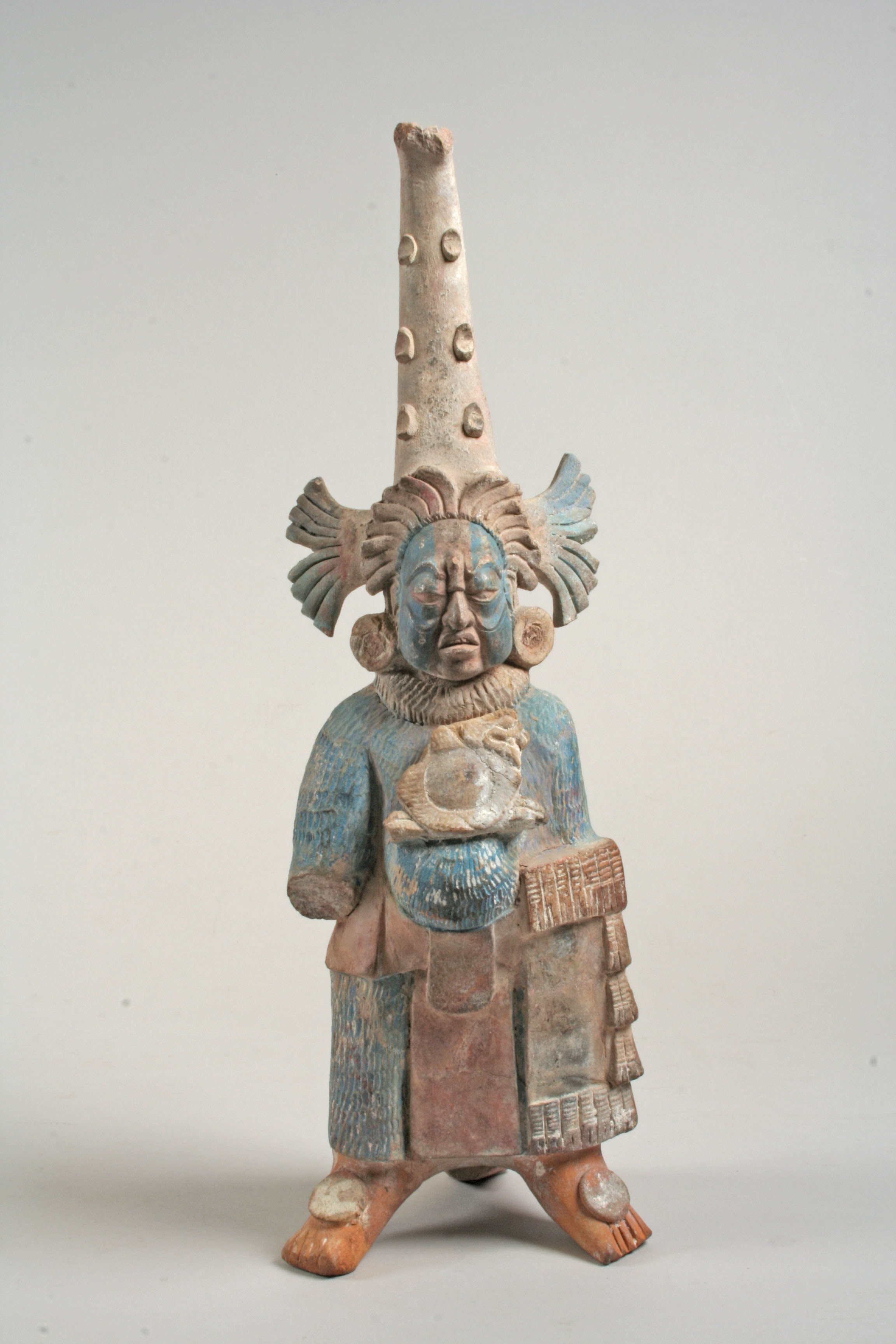
Maya artist(s) — "Figure with conical headdress and shield" (600–800 CE), public domain
Hidden Charms Beneath the Floor
Under Roman homes, archaeologists find tiny amulets—lead dolls, carved bones, clenched fists—tucked beneath floors, near beds, or doorways. Not dropped by accident, but carefully placed where only the household knew.
Protection Before Science
Romans feared childbirth more than almost any event. Magic was insurance. These talismans—sometimes swaddled babies, sometimes phallic charms—were meant to shield mothers from spirits like the strix (a night witch) and to tip fate in their favor. Archaeological finds match with literary mentions, showing just how common the practice was.
These objects were pregnancy amulets, hidden to protect women and their unborn from evil spirits. Romans believed magical threats needed magical defenses—especially during childbirth, which was often deadly. Some were shaped like swaddled babies, others like clenched fists or phalluses—the more startling, the better to scare away bad luck.
