
Cicero on Friendship and Truth
“A friend is, as it were, a second self.” Cicero, under threat of exile, writes a line that outlasts every office and every war.
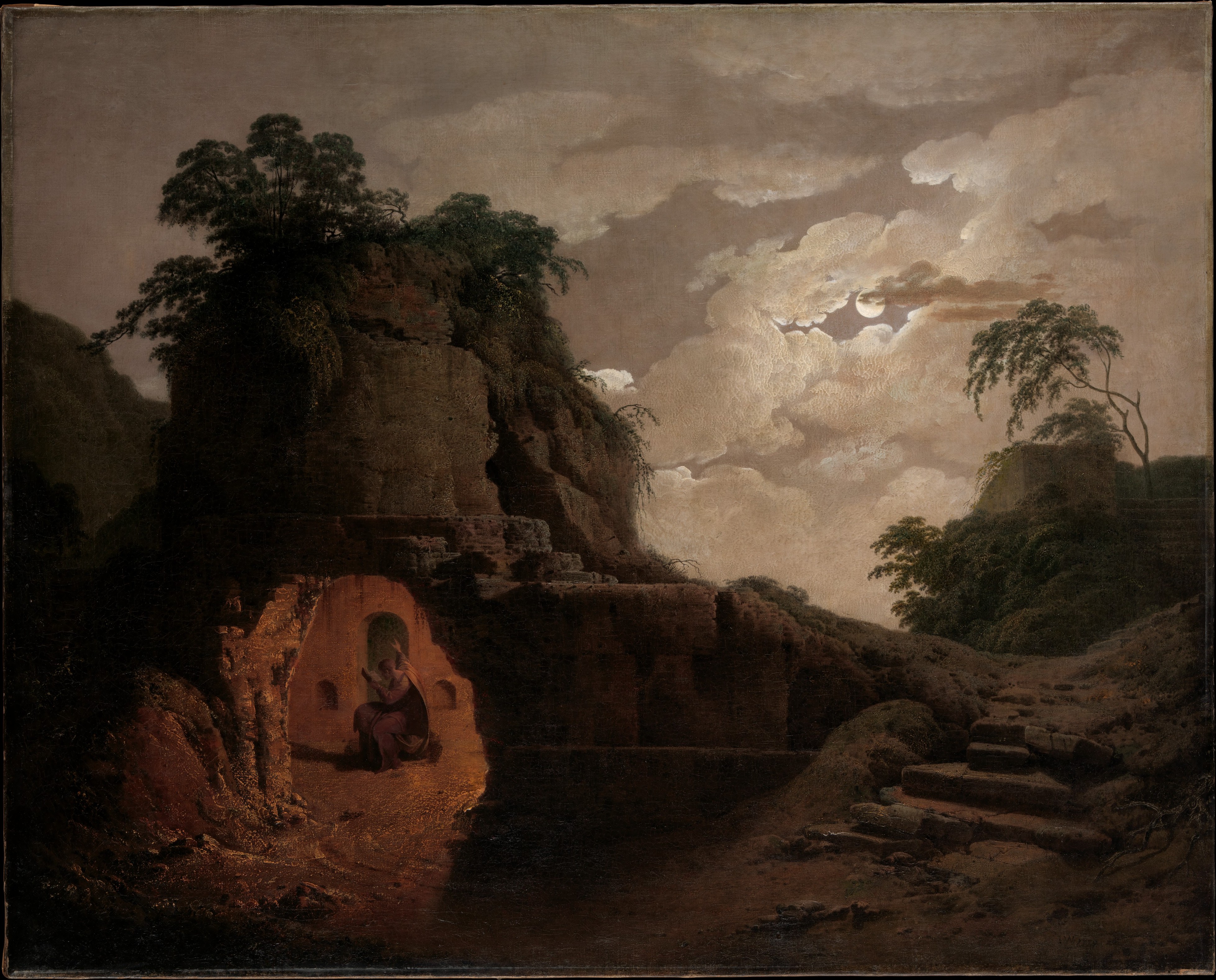
Joseph Wright (Wright of Derby) — "Virgil's Tomb by Moonlight, with Silius Italicus Declaiming" (1779), public domain
One soul in two bodies.
Cicero, in Laelius de Amicitia (On Friendship, section 21), declares: «Alter ego est amicus.» — "A friend is, as it were, a second self." Not a politician’s flattery, but a rare glimpse of his private ideals.
Why Cicero trusted friendship above all.
Roman politics was cutthroat. Betrayals came faster than spring rain. Cicero believed only true friendship — built on virtue and honesty — could weather the chaos. For him, a real friend was an extension of your own conscience: someone who saw the best and worst in you, and stayed.
Lawyer, exile, human being.
Cicero survived assassins, corrupt trials, and civil war. He wrote letters to his friends even as rivals closed in. Today, his line on friendship stands stronger than any law he passed.
Cicero saw allies turn into enemies and fortunes shift, but friendship — honest and rare — remained the thing he praised above every triumph. If you have one real friend, Cicero would count you rich.
