
On This Day: Nundinae—Rome’s Market Day Cycle
Every ninth day, the roar of traders drowns out the Forum. Late April: it’s a Roman nundinae, and the city is a marketplace.
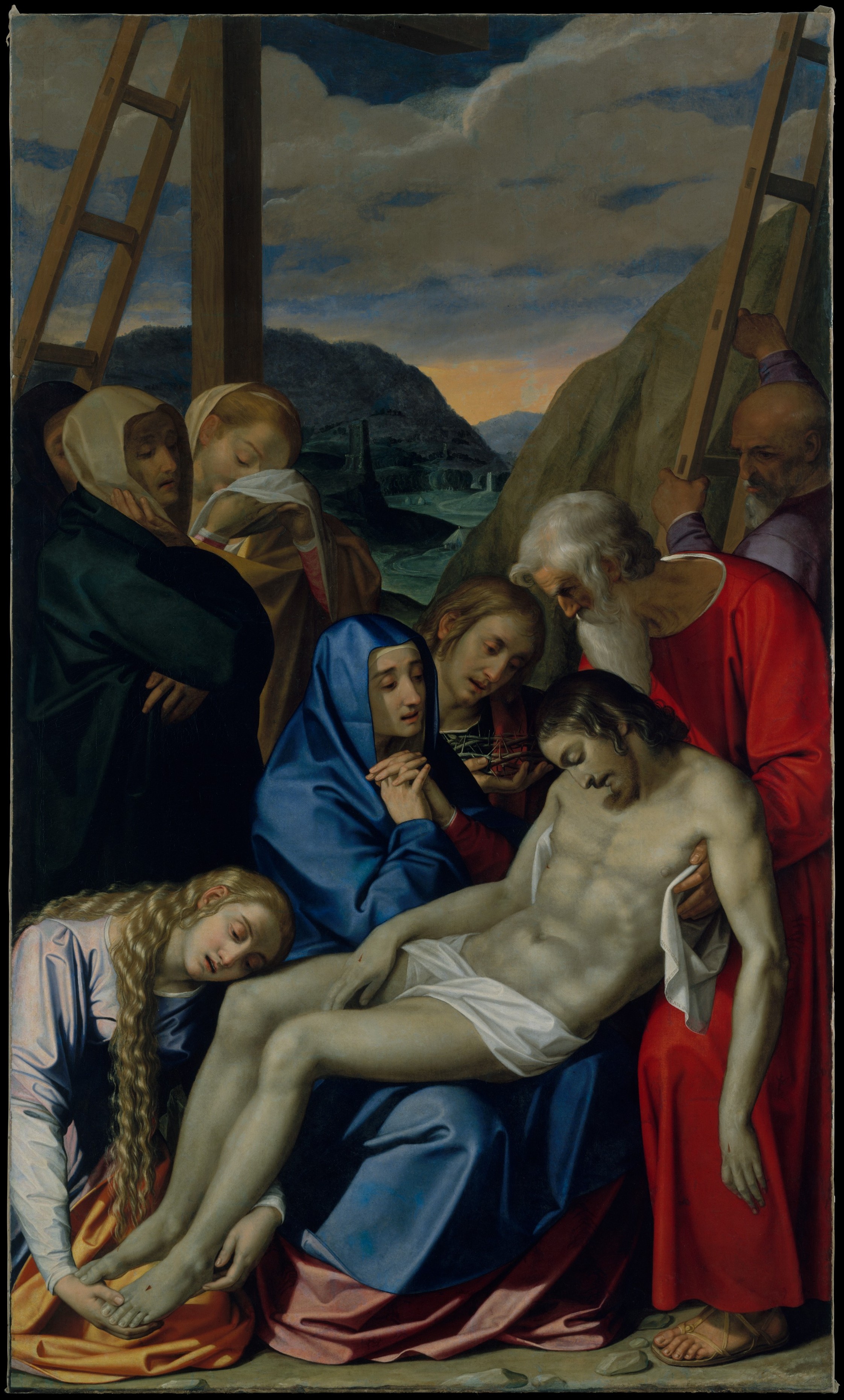
Scipione Pulzone (Il Gaetano) — "The Lamentation" (1593), public domain
Nundinae: The heartbeat of Roman trade
In late April, as in every eighth day (counting inclusively), Rome erupts in market frenzy. Farmers pour in from the countryside. Stalls bulge with figs, cheese, smoked fish, and brass tools. Laws ban official assemblies—business belongs to the people today.
A calendar older than emperors
Long before Julius Caesar’s reform, the nundinae cycle kept Rome’s rhythm. Schoolboys got the day off. Orators tested new speeches in the open air, hawkers haggled, and even slaves might buy a moment’s freedom, if they had saved enough coppers.
The nundinae rhythm pulsed through Roman life, marking shopping days, legal business, and rural deals—even before Caesar’s calendar fix.
