Fragmenta.
How It WorksPricingTodayBlogESDownload for iOS
ES
Today›On This Day
On This Day·Ancient Rome·Republican & Imperial Rome

On This Day: The Kalends of May

May 1 on the Roman calendar—the Kalends of May—meant fresh tabulae, debt deadlines, and a city in reset mode.
On This Day: The Kalends of May

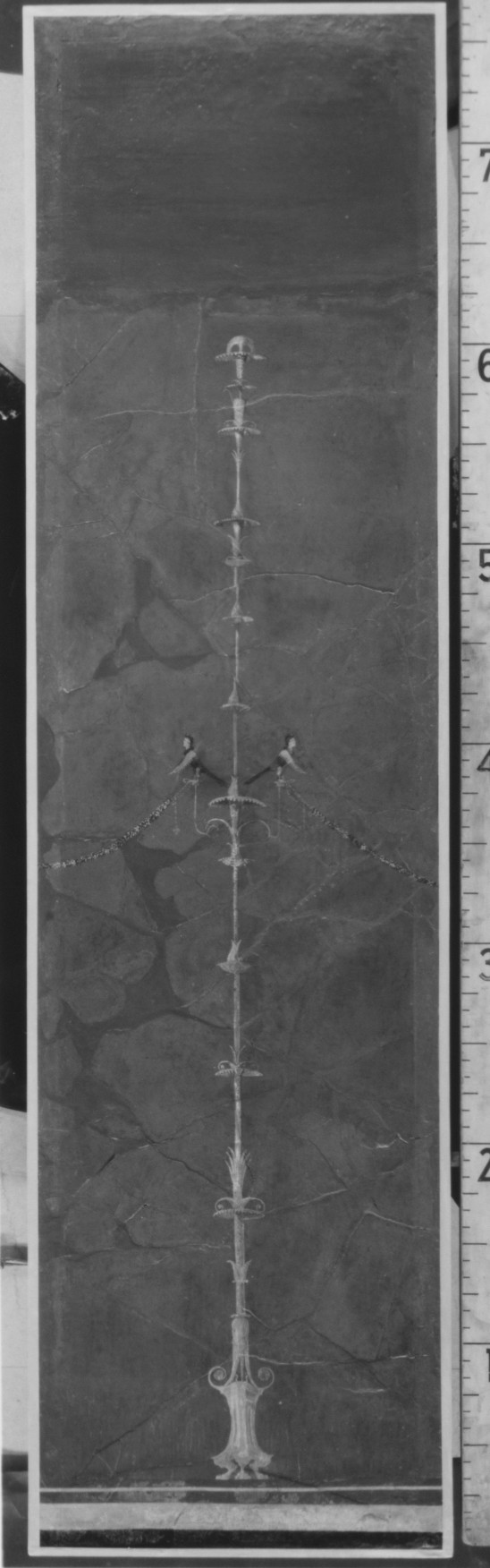
Unknown — "Wall painting on red ground: candelabrum, from the imperial villa at Boscotrecase" (last decade of the 1st century BCE), public domain

The Kalends: Roman new month, new rules.

May 1 was the Kalends—the first day of the month on every Roman calendar. You’d scrape clean your wax tablets, tally debts, settle up with creditors, and mark new contracts. Forget spring cleaning—this was financial cleaning.

A legal and religious turning point.

Priests offered sacrifices to Juno, goddess of beginnings, and magistrates announced the new month’s schedule. The Kalends also reset the market cycle, triggering another round of eight-day nundinae.

For Romans, time was a tool—not just a number.

The Kalends gave order to chaos: debts had to be paid, oaths reset, and the city could move on—until the next bill came due.

Every Roman month opened on the Kalends. It was a legal reset, a day for paying off debts, starting contracts, and flipping the calendar’s wax tablets.

Continue reading in the app

Daily fragments of ancient history, designed for your morning routine.

Download for iOS
5.0 on the App Store

Keep reading

Quote · Imperial Rome

Musonius Rufus on Poverty

“To be poor is not a hardship, but to be without endurance is.” Musonius Rufus, the Stoic bulldozer, lowers the bar for luxury living.

Fact · Imperial Rome

Roman Children Buried With Their Toys

Roman archaeologists have uncovered tiny dolls and toy chariots in tombs of young children—buried still holding their favorites.

Story · Classical Athens, 5th century BC

Pericles, the Plague, and a Funeral

While the plague ravaged Athens, Pericles stood before mourners—masking his own despair with words of hope.

Myth Buster · Classical Greece

Did Greek Women Have No Power?

In movies and textbooks, ancient Greek women are just shadows behind the curtain—no voice, no power, always at home.

Fragmenta.

Made with care for history that deserves it.

App Store

Product

How It WorksDaily FragmentsFeaturesToday in HistoryBlogDownload

Legal

Privacy PolicyTerms of ServiceEULASupportPress

Connect

TikTok
© 2026 Fragmenta. All rights reserved.