
The Theban Night Raid at Plataea
On a rainy April night, 300 Thebans slipped into Plataea—believing the gates would be opened by friends. By dawn, their allies had turned on them.
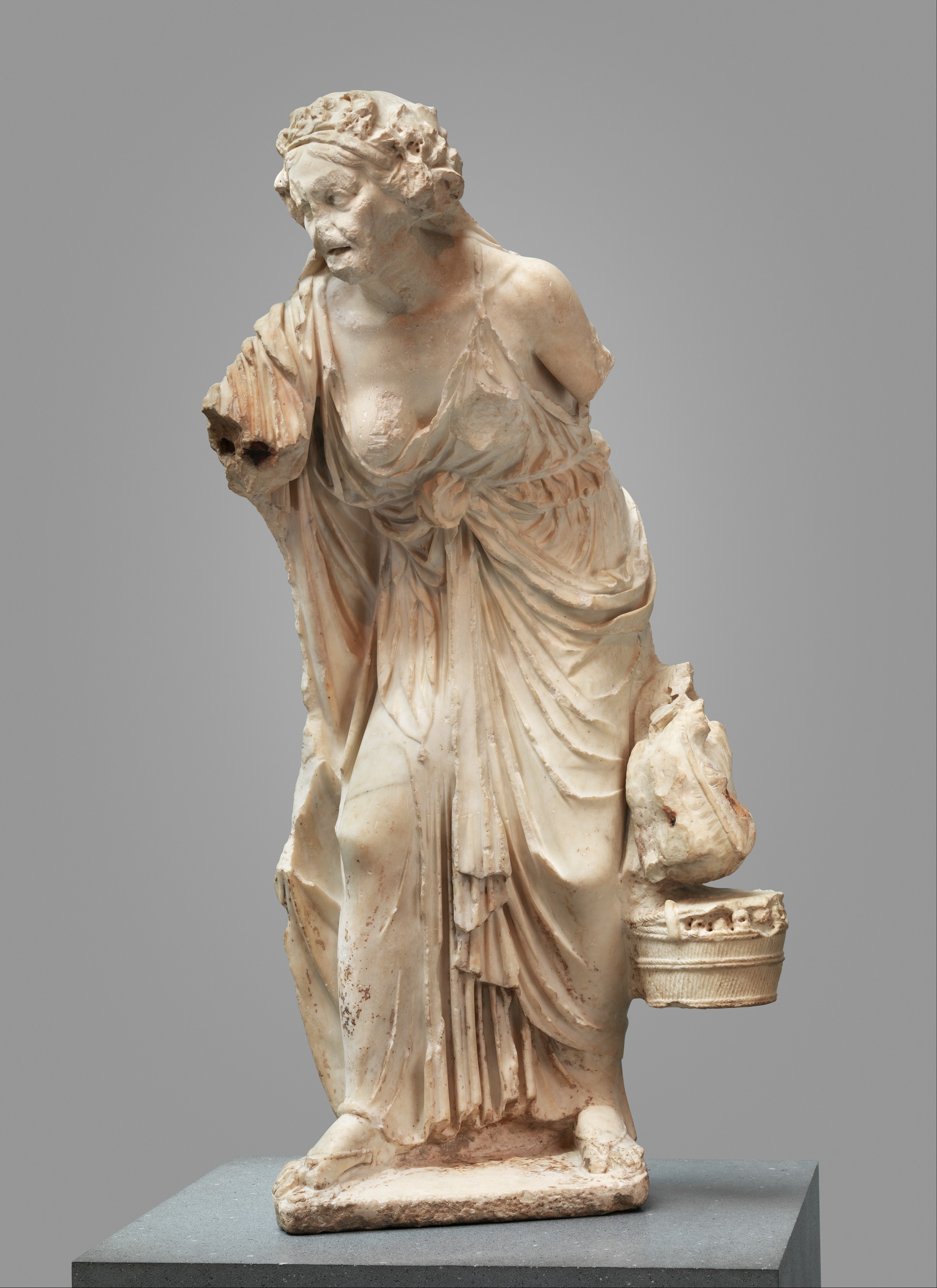
Unknown — "Marble statue of an old woman" (14–68 CE), public domain
Betrayal at Midnight.
In April 431 BC, a storm swept over Boeotia as 300 Theban soldiers crept into Plataea under cover of darkness. They counted on sympathizers inside to open the gates. The plan: overthrow the democracy before most citizens even woke up.
From Secret Coup to Bloody Street Fight.
The Thebans expected a quiet takeover. Instead, Plataean alarm bells rang out. Ordinary townspeople, armed with axes and whatever they could grab, fought back in chaos and rain. By morning, most of the invaders were dead or prisoners—bludgeoned in the narrow streets or hunted down in muddy fields.
No More Neutrals in Greece.
Word spread fast. The hope that small cities could remain neutral in the coming war evaporated. Plataea’s vengeance—and the massacre of surrendering Thebans—hardened both sides. From that night on, the Peloponnesian War was everyone’s business.
The plan to win Plataea without bloodshed ended in disaster and betrayal—shaping the early course of the Peloponnesian War.
