
Did Roman Houses Have Bare Walls?
You picture a Roman villa with blank marble walls—noble, austere, and shockingly plain. The myth: ancient Romans lived surrounded by white stone, no decoration in sight.
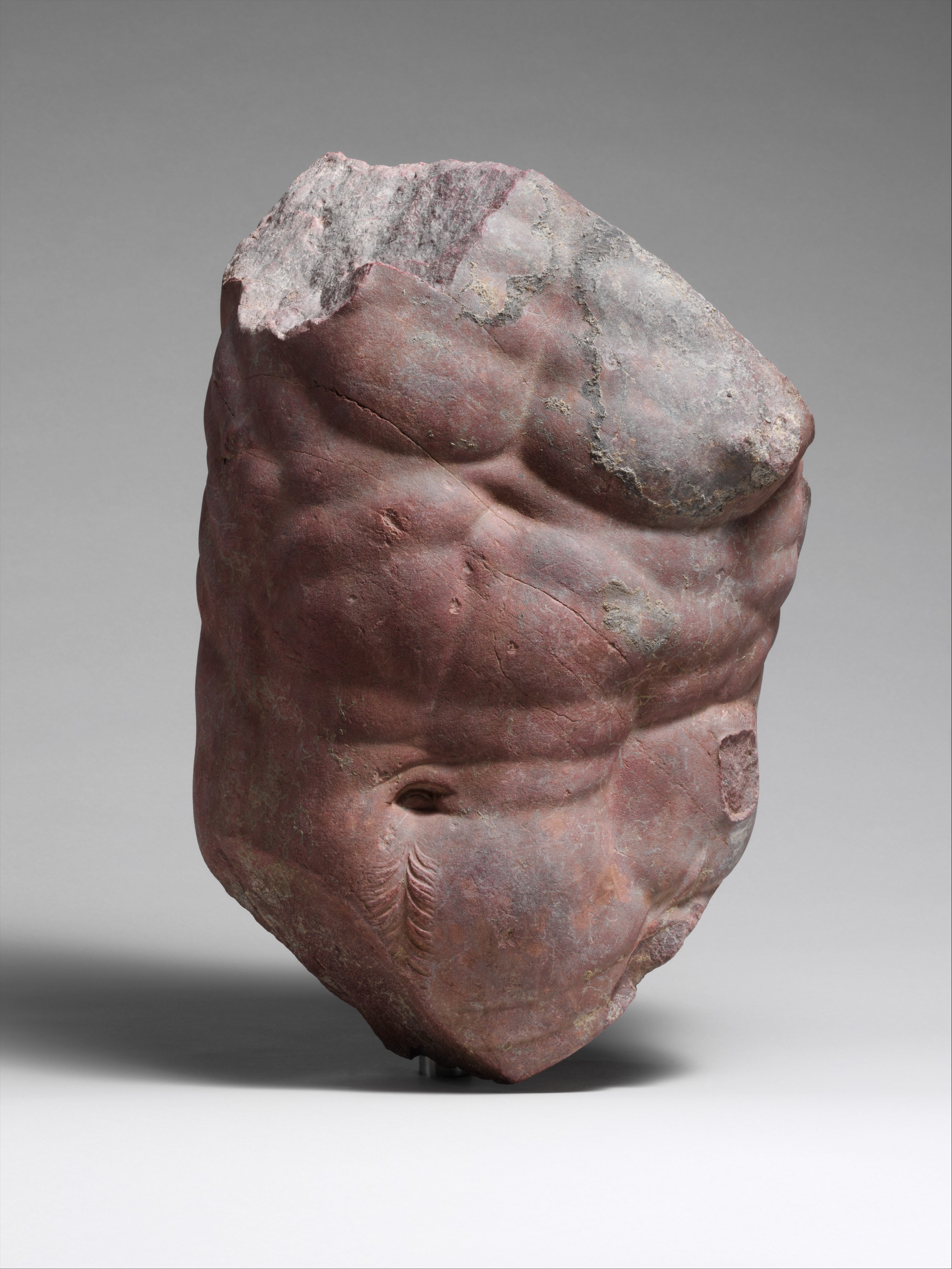
Unknown — "Rosso antico torso of a centaur" (1st–2nd century CE), public domain
The myth of marble minimalism
Hollywood and textbooks love to show Romans brooding in stark, bare rooms—cool marble stretching from floor to ceiling, not a scrap of decoration in sight. Maybe a statue in the corner, but little else. Grand, but cold.
Reality: riotous, painted walls
Archaeologists digging in Pompeii uncovered something else entirely. Every surface in a wealthy home exploded with painted gods, swirling landscapes, flying cupids, and garden illusions. Walls were meant to dazzle, not disappear.
Where'd the myth come from?
Most Roman paintings faded or crumbled long ago—leaving only the white marble underneath. For centuries, all we saw were the bones of these houses, not their skin. It took volcanic ash and careful excavation to reveal the ancient technicolor.
Step into Pompeii and every wall bursts with color—scenes of gods, gardens, monsters, even wild parties. Roman homes were riotous galleries, not sterile mausoleums.
