
Did All Roman Emperors Wear Pure Purple?
Picture the emperor: head to toe in royal purple. Every statue and costume drama paints him wrapped in shimmering violet. But not even Augustus strutted around in all-purple robes.
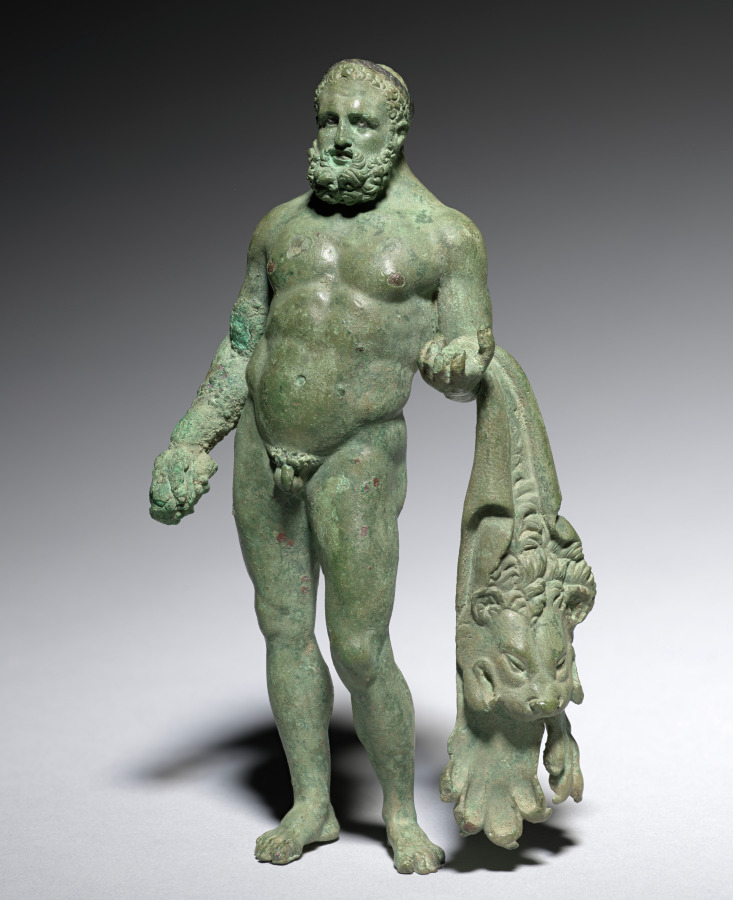
Unknown — "Hercules" (c. 30 BCE–20 CE), CC0
The 'Emperor in Purple' Myth
We picture every Roman emperor decked out entirely in purple—rich, regal, unmistakable. Every movie and video game slaps the big cloak on Augustus or Nero. But if you dressed like that in Rome, you’d get in trouble.
Purple Was Power, But Also a Trap
Full purple was for very specific occasions: a triumph, a high festival, or an imperial portrait. The everyday show of power? A single purple stripe or a patch. Anyone else caught in full purple risked charges of treason. The dye came from thousands of crushed murex shells, so expensive the state kept a monopoly on it.
Why Do We Picture Pure Purple?
Later writers and artists fell in love with the symbolism. In truth, all-purple was a rare and dangerous luxury. Roman law jealously guarded it, so the myth lives as a symbol of ultimate imperial power, not real daily dress.
The Roman 'toga picta'—the all-purple, gold-embroidered toga—was a rare ceremonial garment. Day to day, even emperors wore togas with just a purple stripe or a patch. Pure purple was risky business, tightly controlled, and almost always reserved for triumphs or religious events.
