
Lucky Phalluses Above the Door
In ancient Pompeii, dozens of homes had carved stone penises right above their front doors.
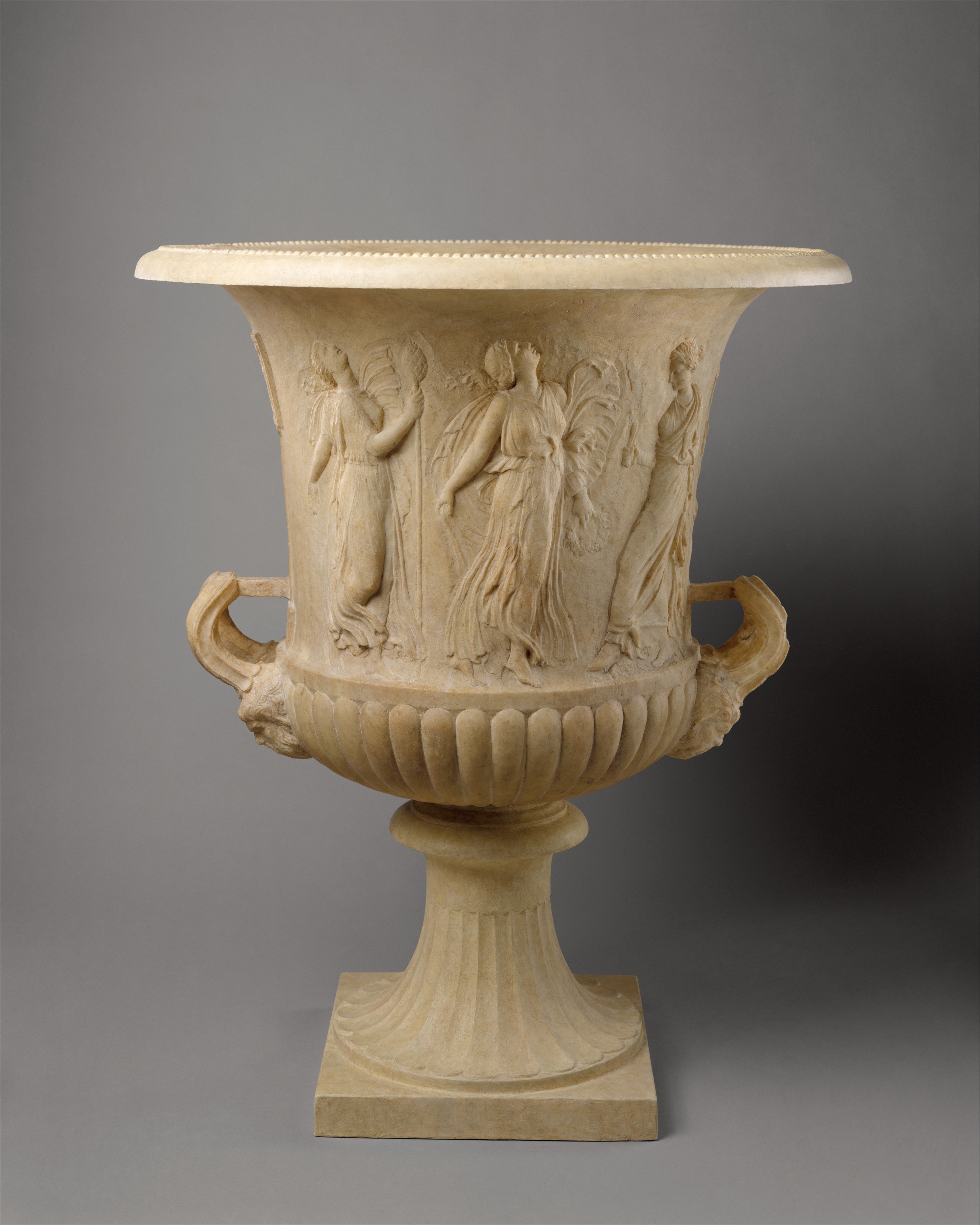
Unknown — "Marble calyx-krater with reliefs of maidens and dancing maenads" (1st century CE), public domain
Phalluses Guarding the Doorway
In ancient Pompeii, dozens of homes had carved stone penises right above their front doors. No one batted an eye—they were everywhere.
Everyday Magic Against Bad Luck
Romans believed the phallus could ward off the evil eye and misfortune. You'll find these protective symbols on shopfronts, taverns, and even ovens—painted, carved, or hanging as wind chimes.
The Original Home Security System
To a Roman, a carved phallus was less crude joke, more household spell. Superstition wasn't a fringe belief—it was carved in stone, for all to see.
These weren't obscene pranks—they were serious business. Romans saw the phallus as a powerful charm against the evil eye. Walk through any Pompeian street and you'll spot them: sculpted on facades, painted on tavern signs, even hanging as wind chimes. It was everyday magic—protection baked into the architecture.
