
Roman Door Knockers: Phallic Protection
Walk down a Roman street and you might spot a bronze penis bolted to a front door.
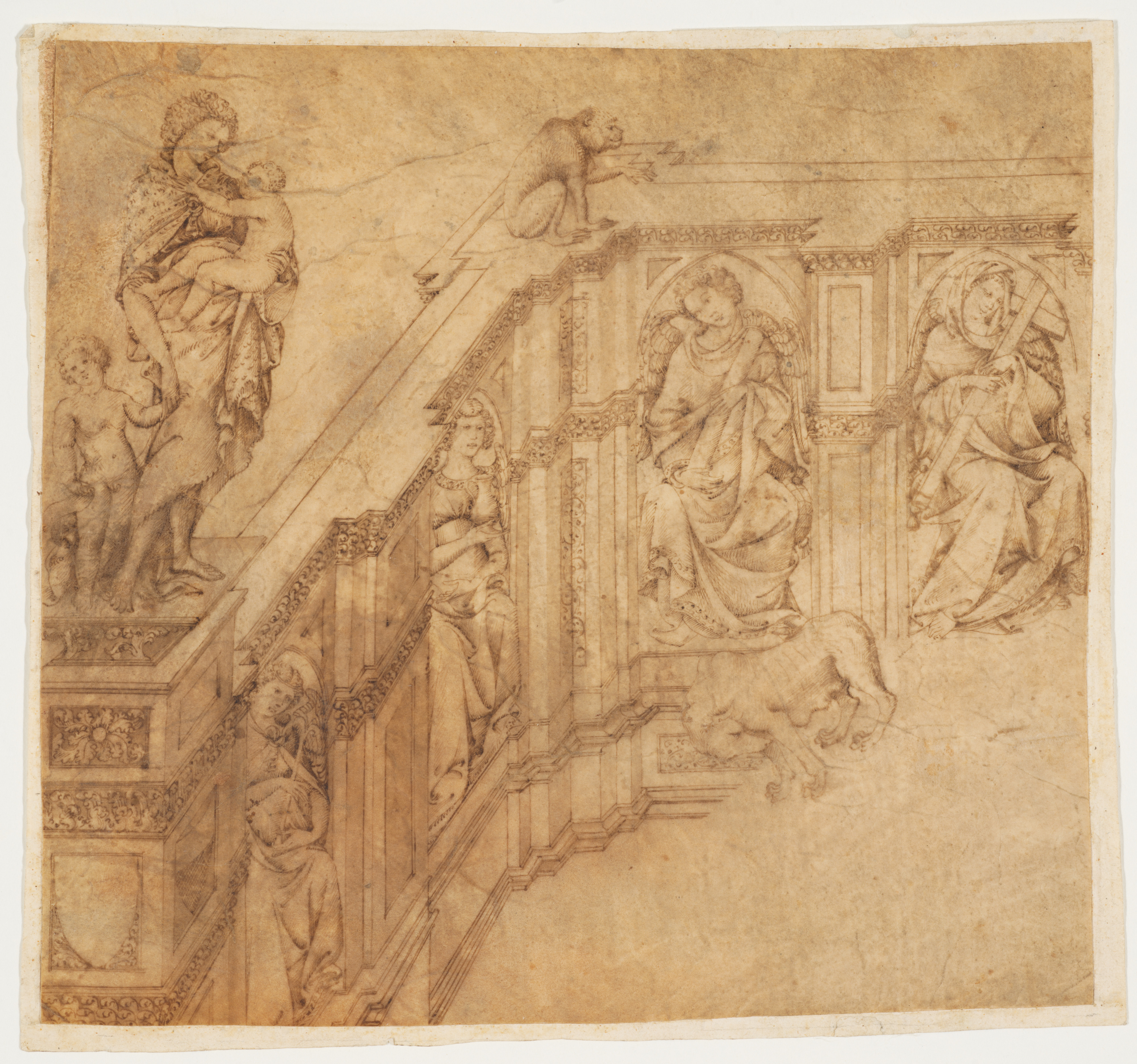
Jacopo della Quercia (Jacopo di Pietro d’Angelo di Guarnieri) — "Design Fragment for the Left Side of the 'Fonte Gaia' in Siena" (1415–16), public domain
Penises on the Door—Seriously
Walk down a Roman street and you might spot a bronze penis bolted to a front door. Not a prank or graffiti—an official part of home security and household luck.
Apotropaic Knockers
In ancient Rome, door knockers were often molded as erect phalluses, sometimes with wings or a face. These weren’t obscene—they were powerful symbols to ward off evil and invite good fortune, standard enough to survive in the ruins of Pompeii.
Look Again at Your Doorbell
To a Roman, this display wasn’t shocking—it was protection. It also tells us a lot about how different their ideas of public decorum and household safety really were.
In ancient Rome, household door knockers were often cast in the shape of an erect phallus—sometimes detailed, sometimes almost cartoonish. Far from a joke, these were apotropaic symbols believed to ward off evil and bring luck. Archaeologists have found dozens across Pompeii and Herculaneum, still grinning from the ruins.
