
On This Day: Robigalia—Rome Prays for Wheat
April 25: Roman priests carry a red dog and a sheaf of wheat beyond the city walls—a festival to stop blight before it starts.
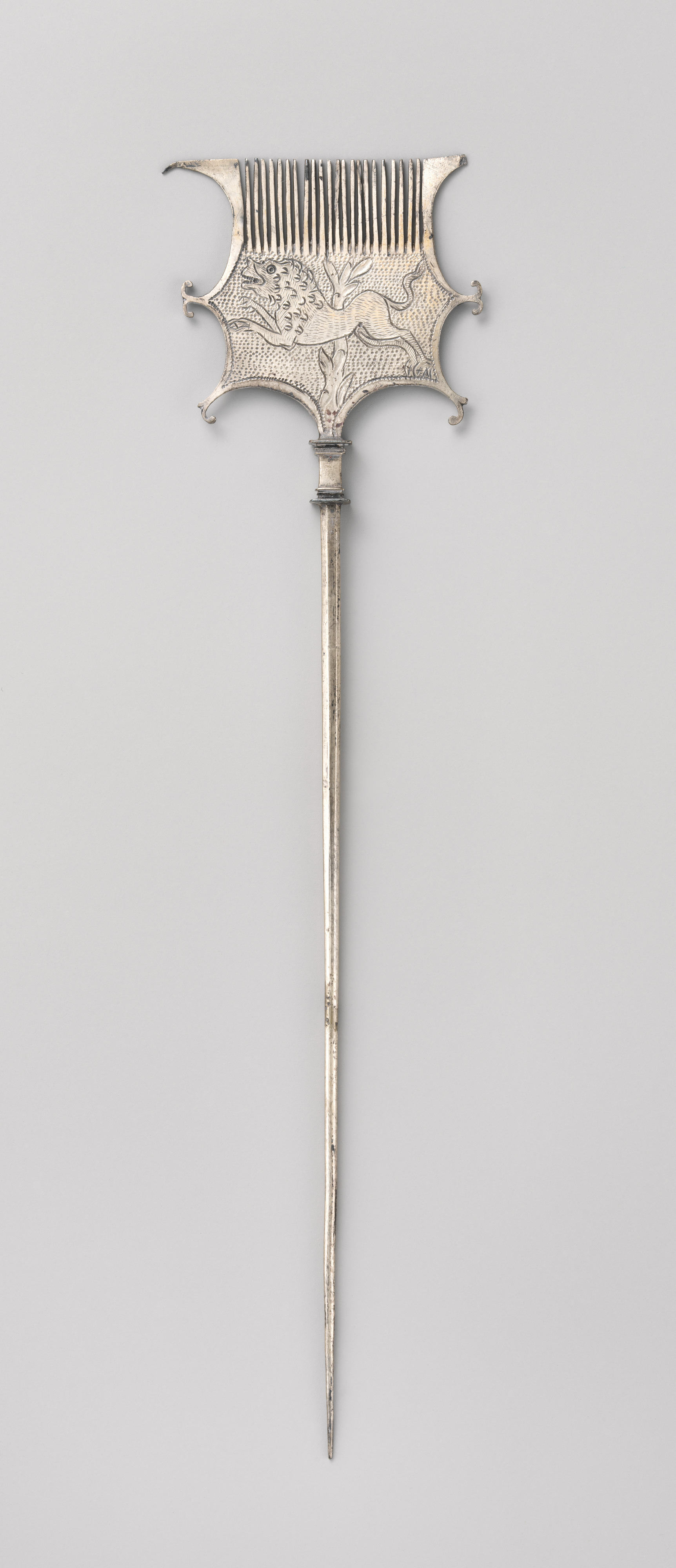
Unknown — "Silver comb and pin" (mid-1st century BCE), public domain
Prayers—and blood—for the harvest.
Today, the Robigalia unfolds on Rome’s outskirts. A red dog—and sometimes a sheep—are sacrificed to Robigus, the god of wheat rust, along with last year’s grain. The goal? To keep blight and rot from devouring the city's breadbasket.
Ancient fears, annual ritual.
For Romans, failed crops meant hunger and chaos. The Robigalia is both a plea and a warning: even the mightiest city depends, in the end, on weather and fragile seeds. The ritual, vivid and unsettling, ran every year—because famine was never far away.
A festival that lingers.
Fragments of the Robigalia survive in rural Italian traditions—red ribbons and spring feasts aimed at protecting crops. Ancient anxieties echo forward, as every planting season brings hope and quiet dread.
At the Robigalia, Romans sacrificed for their harvest, begging the god Robigus to spare the fields from ruin. Wheat and the city’s next meal depended on it.
