
Pompey the Great: Builder and Outcast
He built the grandest theatre Rome had ever seen—then was forbidden to enter its stage for his own triumph.
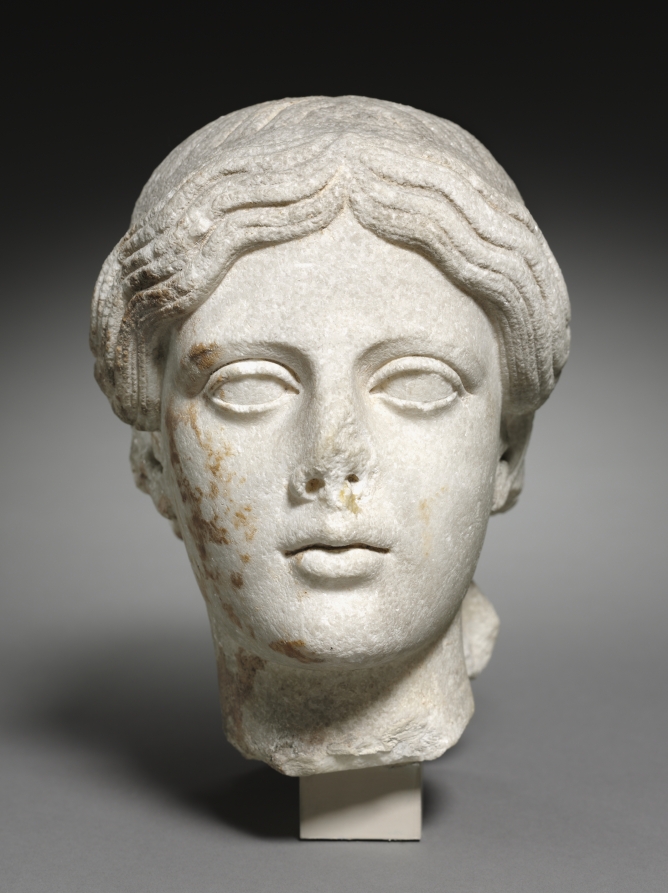
Unknown — "Idealized Head" (50 BCE–100 CE), CC0
A Theatre Fit for a King—But Not for Pompey
Pompey the Great opens Rome’s first permanent stone theatre, crowned with a temple and gilded statues of his own victories. But when his triumph comes, the Senate bans him from entering the stage—because it’s technically sacred ground, not a theatre. The man who built Rome’s showplace can only circle it, never bask in the audience’s cheers.
Ambition on Display, and the Price
Pompey’s world is one of shifting alliances and public pageantry. He crushes pirates, wins wars in the East, and rivals even Caesar for fame. But behind the marble, enemies gather. His monuments stand, but his grip on power slips—turning public adoration into suspicion, and applause into silence.
Forgotten, Then Feared
In the end, Pompey flees his own city. Betrayed by allies, his severed head becomes a trophy for Egyptian courtiers hoping to please Caesar. He built for eternity, but power in Rome is always for rent, never for keeps.
Pompey wanted to be adored, not just obeyed. He built monuments to his glory, but died hunted and alone, his head severed and salted on a beach in Egypt. Rome devours its stars, but it never forgets their shadows.
