
Plato Sold as a Slave
The philosopher Plato found himself shackled and up for sale on the bustling docks of Aegina.
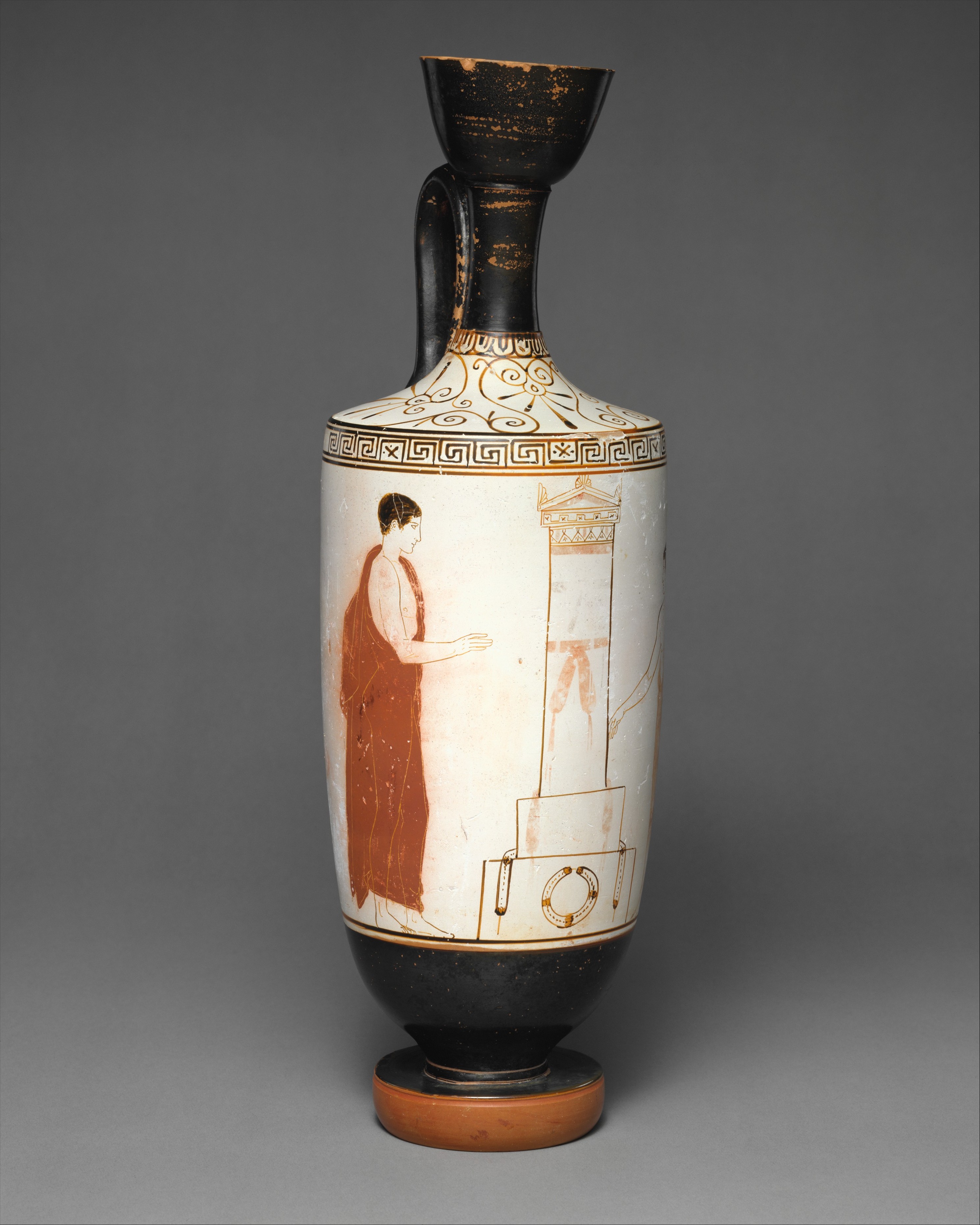
Achilles Painter — "Terracotta lekythos (oil flask)" (ca. 440 BCE), public domain
A philosopher in chains.
After criticizing Dionysius, the tyrant of Syracuse, Plato was seized while traveling home. His enemies dragged him to Aegina, where he found himself on the slave market—sold next to criminals and prisoners, his future uncertain.
Rescued by reputation.
The story goes that a rich admirer named Anniceris recognized Plato at the auction, paid the price, and set him free. The philosopher returned to Athens with new scars and a sharper perspective on power. For once, ideas alone didn’t save him.
From auction block to Academy.
Plato took the proceeds from his ransom and used them to found his famous Academy—proof that even philosophy sometimes starts with a lucky break.
A quarrel with a tyrant landed Plato on the auction block—his freedom bought back by a stranger who had read his work.
