Fragmenta.
How It WorksPricingTodayBlogESDownload for iOS
ES
Today›Story
Story·Ancient Greece·Classical Athens (5th century BC)

Phidias Accused Over the Goddess's Gold

The man who built the Parthenon's statue of Athena was dragged to court—accused of stealing the goddess’s own gold.
Phidias Accused Over the Goddess's Gold

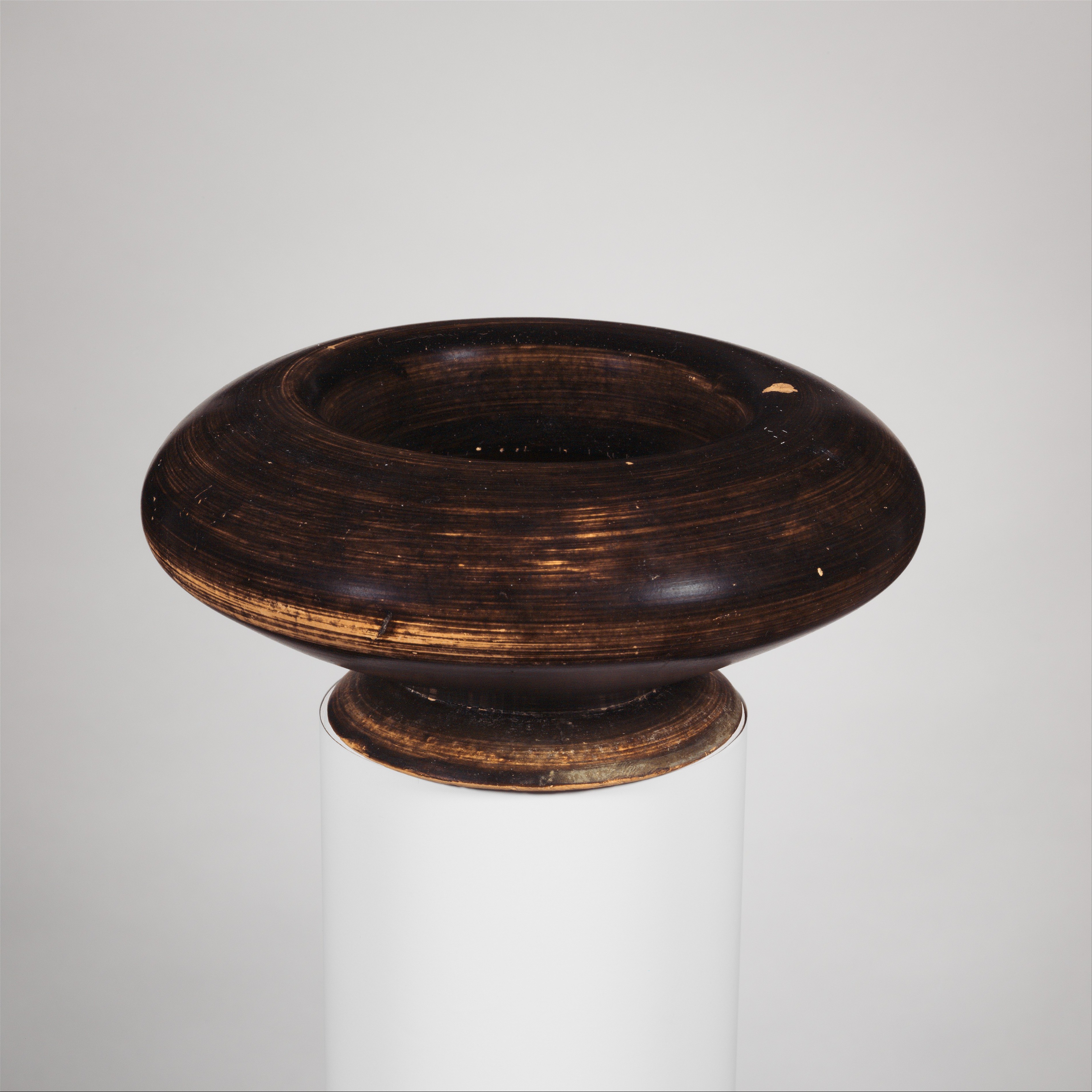
Unknown — "Terracotta plemochoe (vase for perfume)" (5th century BCE), public domain

Gold Robes on Trial

Phidias’ Athena towered inside the Parthenon, glittering in gold plates. Then came whispers: had he skimmed a fortune from the goddess herself? Athenians dragged the sculptor to court, the city buzzing with accusation.

Proving Purity—By Dismantling Divinity

To clear his name, Phidias called for the statue’s robes to be stripped from Athena’s immense form. The gold was weighed in public—every drachma accounted for. He won the numbers, but lost his safety: the charges kept coming, and Phidias soon fled Athens for his life.

A Scapegoat for Democracy's Paranoia

The greatest artist of his age, humiliated by the city he’d glorified. In turbulent Athens, even genius wasn’t enough to keep you safe from politics.

Phidias, genius sculptor, was scapegoated amid political tension—forced to prove he hadn’t pocketed a single drachma meant for Athena’s shimmering robes.

Continue reading in the app

Daily fragments of ancient history, designed for your morning routine.

Download for iOS
5.0 on the App Store

Keep reading

Story · Late Republican Rome

Clodia, the Poison Trial, and Cicero’s Spin

In a packed Roman court, Clodia stood accused of poisoning her own lover—while the crowd waited for Cicero to tear her reputation to shreds.

Quote · Imperial Rome

Musonius Rufus on Anger

"He is most powerful who has himself in his own power." — Musonius Rufus, the hard-edged Stoic, taught: «Κρατιστεῖ δ' ἀνὴρ ὁ ἑαυτοῦ κύριος» — "The mightiest man is master of himself."

On This Day · Late Republic and Empire

On This Day: The Ludi Florales Bloom in Rome

April 28: Rome bursts alive with the first day of the Ludi Florales—flower petals, crude comedies, and dancers in nothing but garlands.

Fact · Classical Athens

Athenians Fined for Pooping in Public

In 4th-century BC Athens, you could be fined for letting your donkey—or yourself—relieve itself on a public path.

Fragmenta.

Made with care for history that deserves it.

App Store

Product

How It WorksDaily FragmentsFeaturesToday in HistoryBlogDownload

Legal

Privacy PolicyTerms of ServiceEULASupportPress

Connect

TikTok
© 2026 Fragmenta. All rights reserved.