
Nero: Blamed for the Flames
As Rome burns, Nero isn’t fiddling—he’s miles away, plotting how to help his city, not destroy it.
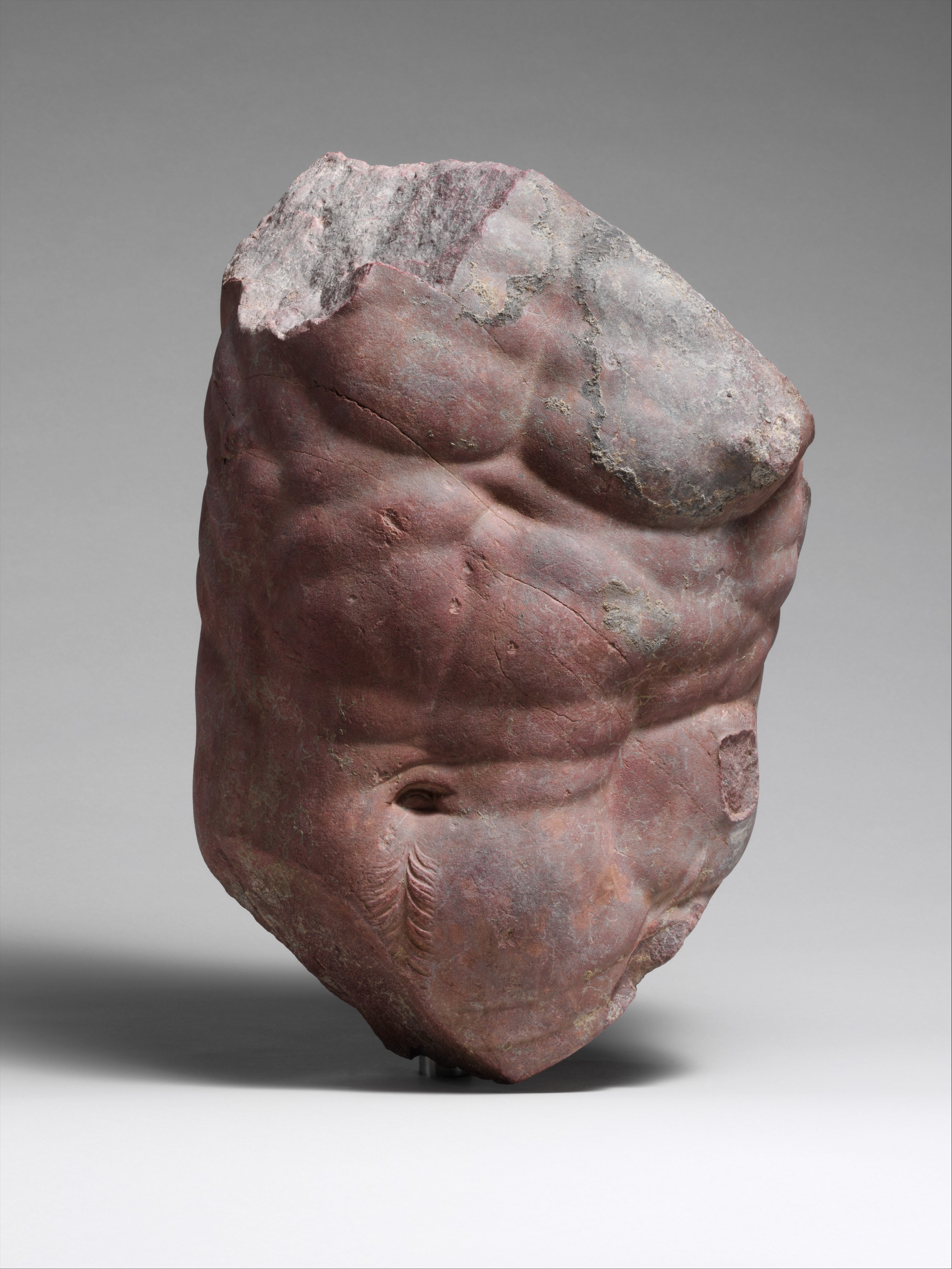
Unknown — "Rosso antico torso of a centaur" (1st–2nd century CE), public domain
Nero Didn’t Fiddle While Rome Burned
As fires devour Rome’s heart in 64 CE, Nero is nowhere near the chaos. Later, wild tales insist he watched with a lyre in hand—yet ancient historian Tacitus says the emperor rushed back, not to perform, but to organize relief.
The Politics of Blame
Rome needed a scapegoat. Rumors latched onto Nero—awkward, artistic, famously unpopular in elite circles. Even as he housed the homeless and imported grain, whispers painted him as the arsonist-in-chief. The myth hardened over centuries.
A Monster or a Convenient Villain?
Nero's real crime may have been being easy to hate. The fire burned his reputation to ash—and the legend outlived the man. Sometimes history’s greatest villains are made, not born.
Nero’s name is forever linked to the Great Fire of Rome, but ancient sources like Tacitus say he was at Antium when the flames broke out. He raced back, opened his palaces to refugees, and arranged for food relief. The infamous image of Nero playing music while the city burned? That myth grew later, partly spun by rivals who needed a monster, not a man scrambling to control disaster.
