
Musonius Rufus on Wealth and Character
"He is richest who is content with least." — Musonius Rufus, battered by exile, draws a hard line under what really counts as wealth.
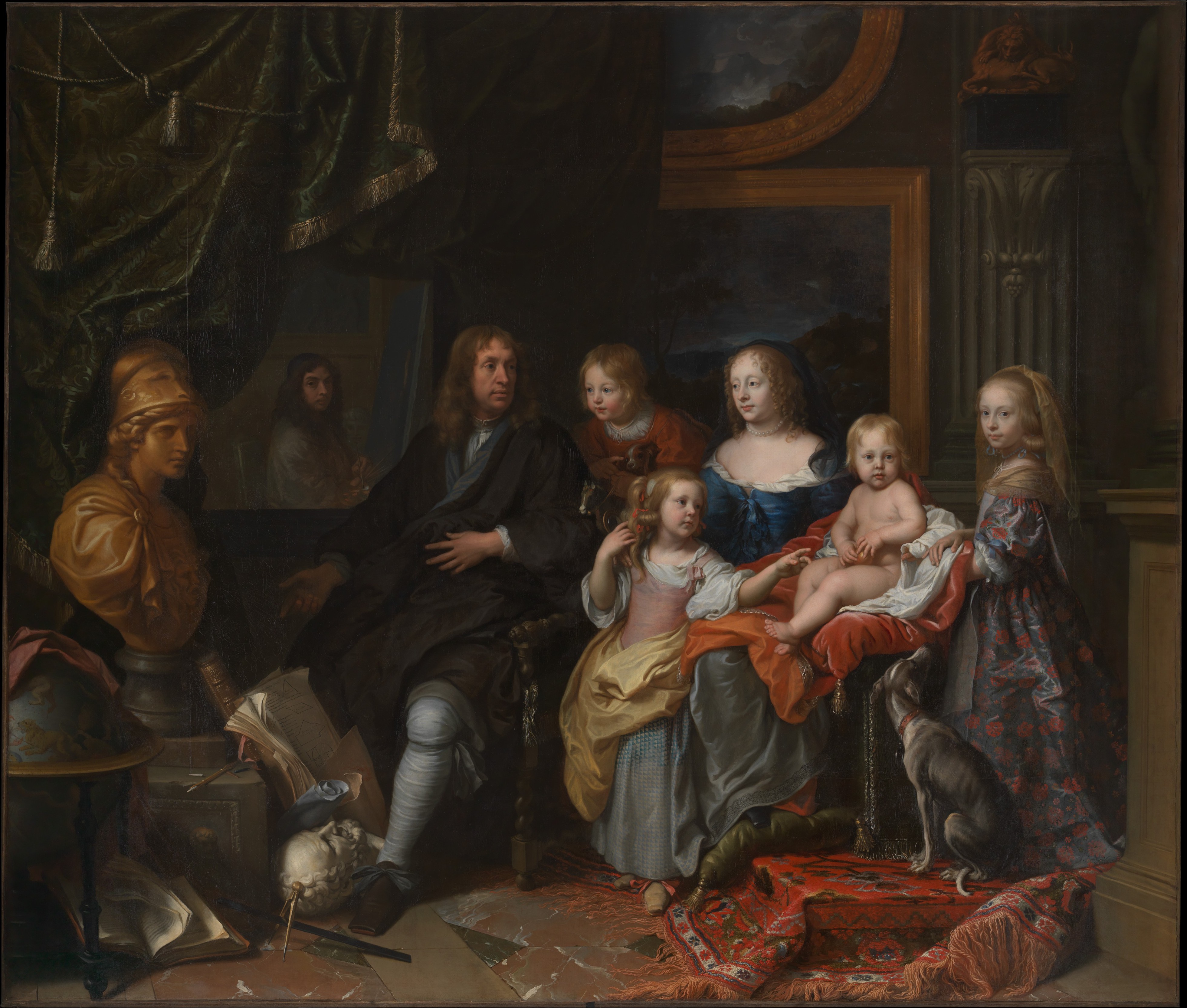
Charles Le Brun — "The Jabach Family" (ca. 1660), public domain
The simplest wealth, in Greek.
Musonius Rufus, recorded by Stobaeus (Florilegium 3.17.30), says: «Πλουσιώτατός ἐστιν ὁ ἀπὸ τοῦ ἐλαχίστου ἀρκούμενος.» — «He is richest who is content with least.» This wasn’t armchair philosophy. Musonius lost home, fortune, and profession — and considered himself rich regardless.
Why less is more for a Stoic.
For Musonius, wealth wasn’t coins or houses, but mastery of need. The man who needs little is unbreakable: fire, exile, or fortune’s turn can’t touch him. This view turns Roman status games upside down, and it still stings anyone who measures worth by the size of a paycheck.
The exile philosopher.
Banished from Rome multiple times for speaking his mind, Musonius taught in wind-battered exile. Poor in possessions, he insisted that wealth should be measured in peace of mind, not property. That’s the punchline — his poverty was his fortress.
Musonius Rufus lost fortunes and freedom, but kept this principle: wealth isn’t what you can buy, but what you can do without. If you can’t be satisfied with little, no windfall will be enough.
