Fragmenta.
How It WorksPricingTodayBlogESDownload for iOS
ES
Today›Quote
Quote·Ancient Rome·Imperial Rome

Musonius Rufus on Poverty

“To be poor is not a hardship, but to be without endurance is.” Musonius Rufus, the Stoic bulldozer, lowers the bar for luxury living.
Musonius Rufus on Poverty

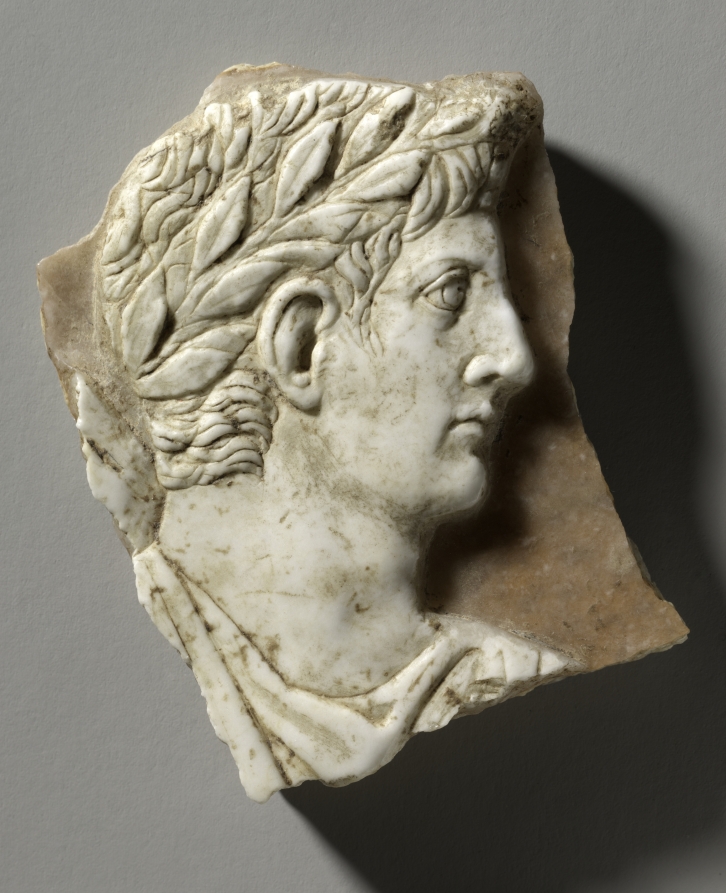
Unknown — "Cameo: Julio-Claudian Imperial Portrait" (30 BCE–54 CE), CC0

Musonius on riches — or lack thereof

In the fragments collected by Stobaeus (Florilegium 3.17.24), Musonius Rufus says: «Πενία οὐ χαλεπὸν, ἀλλὰ ἀκαρτερία» — “To be poor is not a hardship, but to be without endurance is.” Rome was obsessed with gold and status. Musonius tossed that out the window.

Poverty as spiritual training

Musonius thought that all the comfort in the world couldn’t save you if you had no guts. Endurance—steadfastness—was wealth. The man who could sleep on bare earth or eat barley bread was richer than any senator trembling over a lost coin.

He lived what he preached

Banished more than once for refusing to flatter tyrants, Musonius was famous for his discipline and blunt tongue. His students called him 'the Roman Socrates.' He thought every hardship was a free lesson in self-mastery — if you dared to take it.

Musonius didn’t care about poverty — he thought real wealth was measured by how much hardship you could face without flinching. His philosophy was an earthquake under the Roman obsession with money.

Continue reading in the app

Daily fragments of ancient history, designed for your morning routine.

Download for iOS
5.0 on the App Store

Keep reading

Story · Classical Athens, 5th century BC

Pericles, the Plague, and a Funeral

While the plague ravaged Athens, Pericles stood before mourners—masking his own despair with words of hope.

Fact · Imperial Rome

Roman Children Buried With Their Toys

Roman archaeologists have uncovered tiny dolls and toy chariots in tombs of young children—buried still holding their favorites.

On This Day · Republican & Imperial Rome

On This Day: The Kalends of May

May 1 on the Roman calendar—the Kalends of May—meant fresh tabulae, debt deadlines, and a city in reset mode.

Myth Buster · Classical Greece

Did Greek Women Have No Power?

In movies and textbooks, ancient Greek women are just shadows behind the curtain—no voice, no power, always at home.

Fragmenta.

Made with care for history that deserves it.

App Store

Product

How It WorksDaily FragmentsFeaturesToday in HistoryBlogDownload

Legal

Privacy PolicyTerms of ServiceEULASupportPress

Connect

TikTok
© 2026 Fragmenta. All rights reserved.