
Musonius Rufus on Living Simply
“He who has the least wants is nearest to the gods.” Musonius Rufus, exiled for speaking truth, measured freedom in what you could do without.
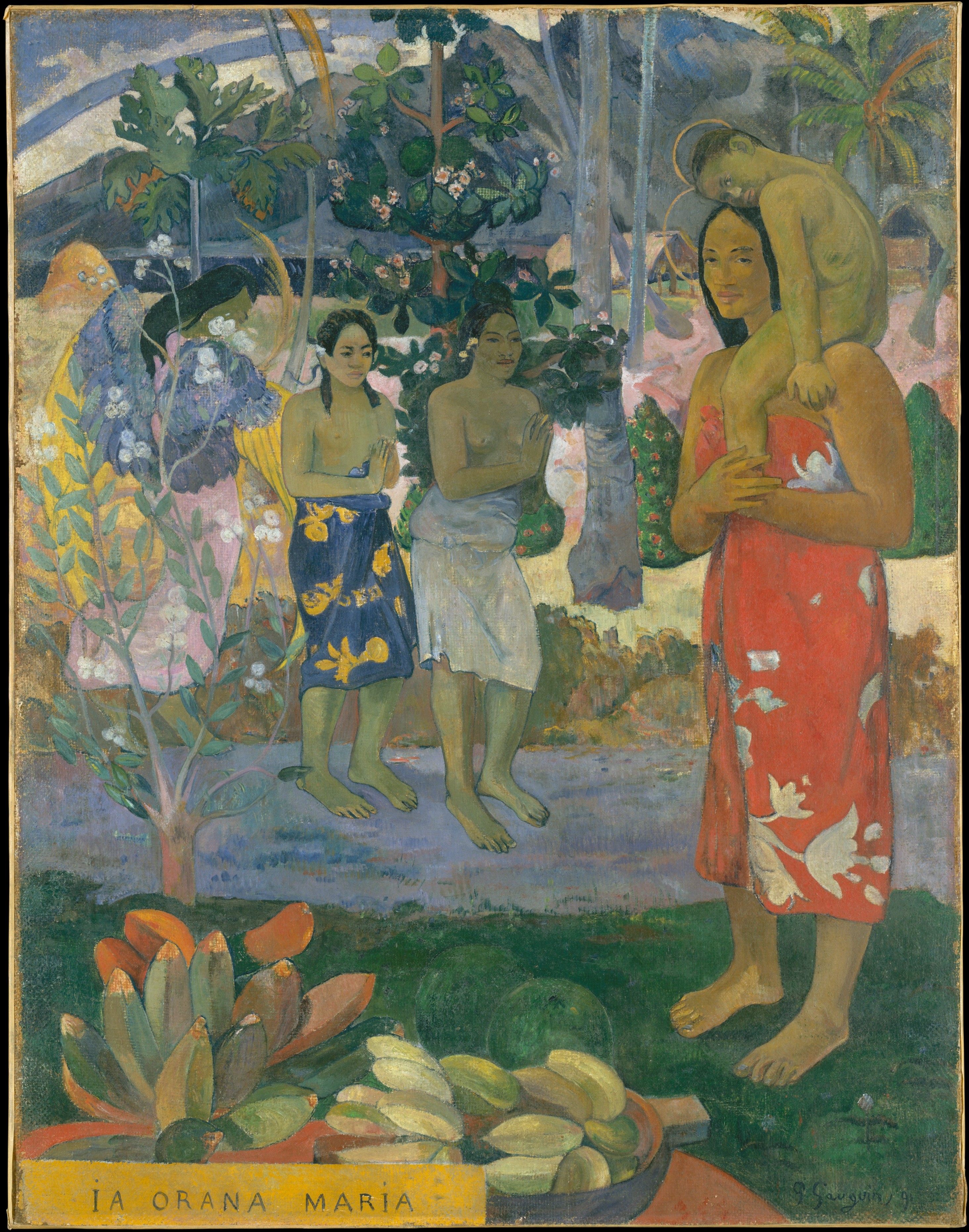
Paul Gauguin — "Ia Orana Maria (Hail Mary)" (1891), public domain
What Musonius called true wealth.
Musonius Rufus, in his Discourses (Lecture 18A), declares: «Ὁ μὴ ἀρκούμενος οἷς ἔχει, οὐδ’ ἂν ἔχῃ ἃ βούλεται, ἀρκέσει.» — “He who is not contented with what he has, would not be contented with what he would like to have.” The fewer your needs, the closer you are to the gods.
The logic behind less.
Musonius saw desire as a trap. Every new craving for status, taste, or comfort tightens the chain. He lost country villas, fine meals, and teaching posts—yet called exile freedom’s training ground. The Stoic playbook wasn’t about austerity for punishment’s sake, but for power over yourself.
More exile than comfort.
Musonius Rufus was banished by emperors more than once—his lectures made them nervous. He didn’t just say the tough line, he lived it: eating onions and barley, scraping by in dusty towns. For him, happiness wasn’t found in plenty, but in the hunger you could ignore.
Musonius spent years torn from his home, stripped of luxury, and still lectured on contentment. For a Stoic, less wasn’t failure—it was freedom in disguise. This is philosophy for an empty room, not a palace feast.
