
Musonius Rufus on Anger
"He is most powerful who has himself in his own power." — Musonius Rufus, the hard-edged Stoic, taught: «Κρατιστεῖ δ' ἀνὴρ ὁ ἑαυτοῦ κύριος» — "The mightiest man is master of himself."
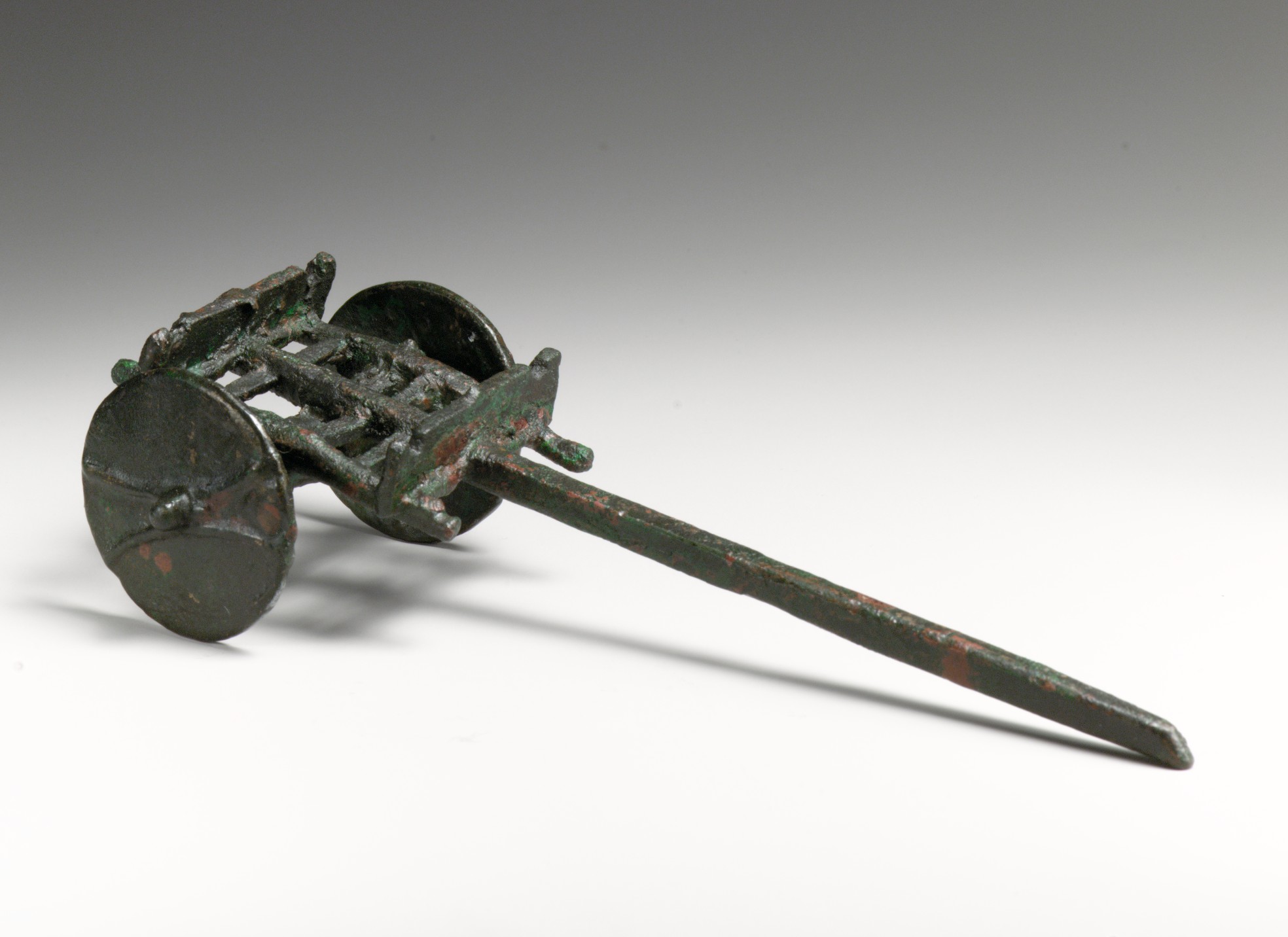
Unknown — "Bronze model of a cart with farmyard group" (2nd century BCE–1st century CE), public domain
Musonius and the Mastery of Anger
Musonius Rufus, as preserved by Stobaeus, says: «Κρατιστεῖ δ' ἀνὴρ ὁ ἑαυτοῦ κύριος» — "The mightiest man is master of himself." He taught this not to emperors, but to outcasts and exiles, in a world where temper could mean tragedy.
Why Musonius valued self-control
For Musonius, Stoicism was a discipline, not a pose. Anger, he argued, steals your judgement and chains you to impulse. True power isn’t over other people — it’s command over your own storms. Rule yourself, and you need fear no tyrant.
A teacher in chains
Exiled three times for refusing to flatter emperors, Musonius lectured in the open air — sometimes in shackles. He believed freedom started, and ended, inside your head. His words rang loudest in the ears of those who had nothing left to lose.
Musonius saw anger as a kind of slavery — lose your temper, lose your freedom. The most dangerous enemy? Your own knee-jerk rage.
