
Maecenas, Patron of Genius
He never set foot on a battlefield but rewrote Roman history from a dinner couch, wine in hand.
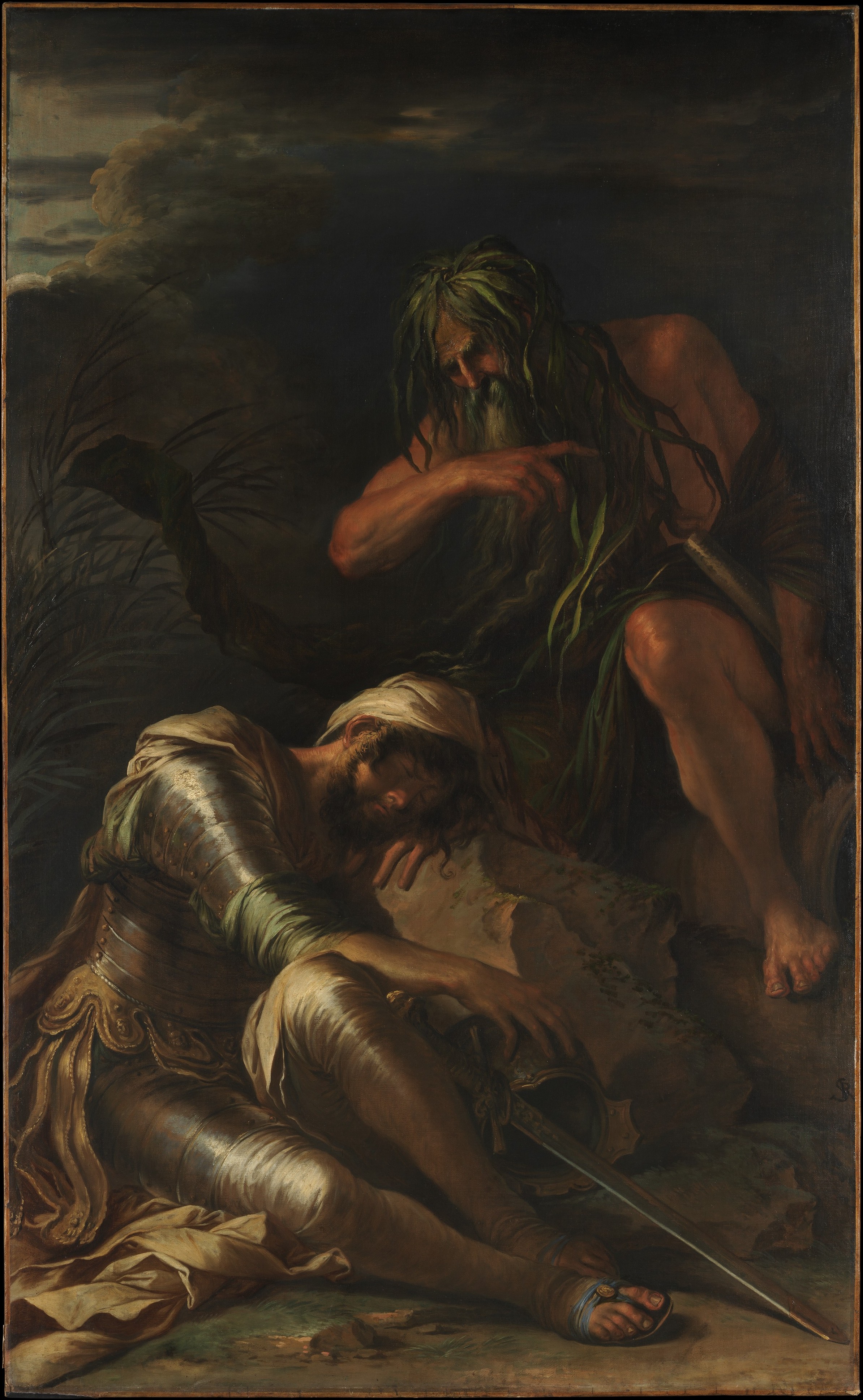
Salvator Rosa — "The Dream of Aeneas" (1660–65), public domain
Power in Pajamas
He never set foot on a battlefield but rewrote Roman history from a dinner couch, wine in hand. Maecenas shaped his age not with force, but with invitations—luring poets into his circle, arranging marriages and treaties as casually as a host picks the next course.
The Architect Behind the Augustan Age
Rome’s Golden Age of literature wasn’t born in a Senate debate—it was fostered in Maecenas’s garden, among cushions and conversation. By bankrolling Virgil and Horace, he turned art into policy, making Rome’s victories sing and her scars vanish in verse. Without Maecenas, there’s no Aeneid, no Horatian odes—no story for the empire to believe in itself.
A Legacy Written in Others’ Words
Maecenas’s own poetry faded, but his patronage defined Rome’s voice for centuries. He proved that sometimes, the most lasting power is handed out with a nod, a purse, and the perfect dinner toast.
Maecenas turned patronage into empire-building. He bankrolled Virgil and Horace, picked rivals apart with gossip, and fed Augustus a steady diet of advice and poetry. Rome’s culture—its literature, its self-image—owes more to his dinners than to any general’s sword.
