
Cato the Younger on Justice
"Consider not what is popular, but what is right." Cato the Younger, in Sallust’s Bellum Catilinae: «Non me populus sed recte facta agitare debent.» — "Not the people, but right actions, ought to move me."
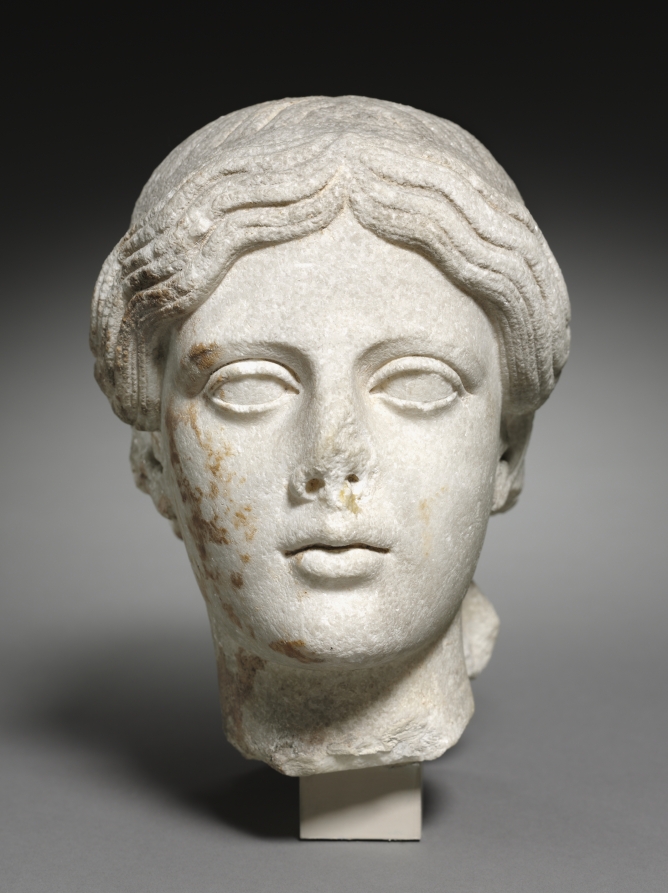
Unknown — "Idealized Head" (50 BCE–100 CE), CC0
Cato’s line in the sand.
Sallust, in Bellum Catilinae 54, records Cato saying: «Non me populus sed recte facta agitare debent.» — "Not the people, but right actions, ought to move me." He didn’t seek applause, he made it irrelevant.
Why Cato never bent the knee.
Cato faced bribery, threats, and civil war — and refused every shortcut. For him, justice wasn’t up for a vote. His integrity frustrated allies and infuriated enemies. In the end, he was right alone rather than wrong with the crowd.
The man Rome couldn’t move.
Cato walked home alone after votes, spurned by friends who wanted compromise. He’d rather break than bend. The lesson? Sometimes the right thing is the least popular move in the room — and history remembers those few who stood firm.
Cato’s stubbornness bordered on legend, and this line was his battle standard. He risked everything — career, safety, even family — for principles, not applause. In a world that begged him to compromise, he stood alone.
