
The Poisoning of Germanicus
Germanicus, Rome's golden boy, died gasping for breath—his wife accused the governor of poisoning him on imperial orders.
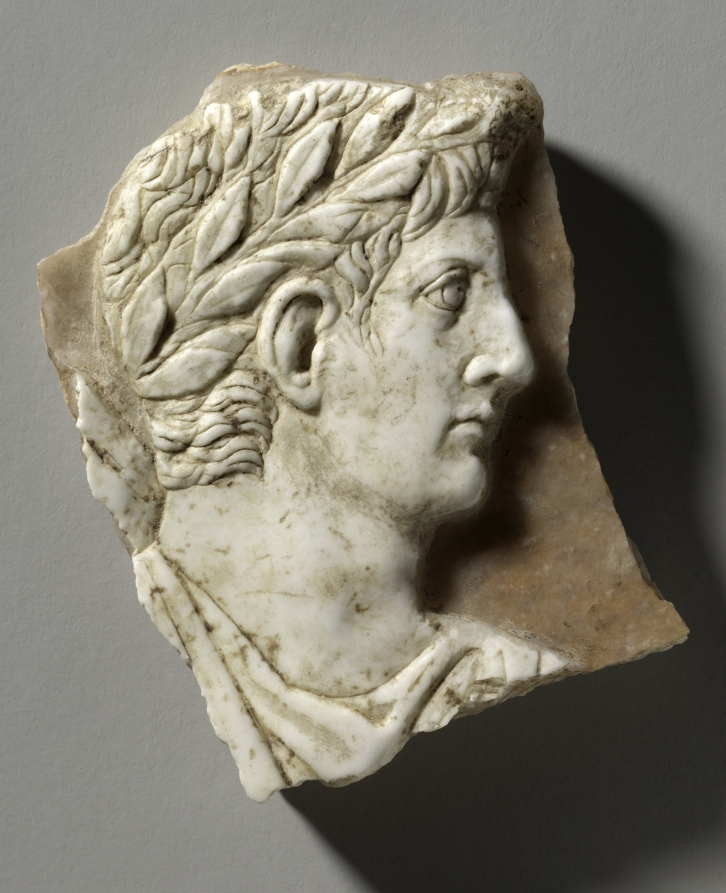
Unknown — "Cameo: Julio-Claudian Imperial Portrait" (30 BCE–54 CE), CC0
A hero falls in the East.
In 19 AD, Germanicus—general, heir, and adored by Rome—collapsed with fever in Antioch. His skin blackened. His pain was excruciating. On his deathbed, his wife Agrippina claimed he'd been poisoned by the governor Piso, acting on secret orders from Emperor Tiberius.
Rome erupts in suspicion.
News of Germanicus’ death set the city ablaze with grief and rage. Crowds filled the streets for his funeral. Whispers of murder and imperial jealousy swept the capital. Piso was put on trial, but 'proof' was a witch’s charm and a handful of ashes—enough for a scandal, never enough for certainty.
A shadow over the throne.
Germanicus’ death poisoned Rome as surely as any cup—seeding years of paranoia at court. Tiberius never escaped the suspicion, and Agrippina’s children, including the future emperor Caligula, grew up surrounded by the ghosts of betrayal.
Germanicus' mysterious death in the East sent shockwaves through Rome, igniting public rage, imperial paranoia, and rumors of conspiracy that haunted Tiberius’ reign.
