
Lucrezia Borgia: Poison or Pawn?
Her family’s enemies whispered that Lucrezia served poison at banquets—and smiled while she did it.
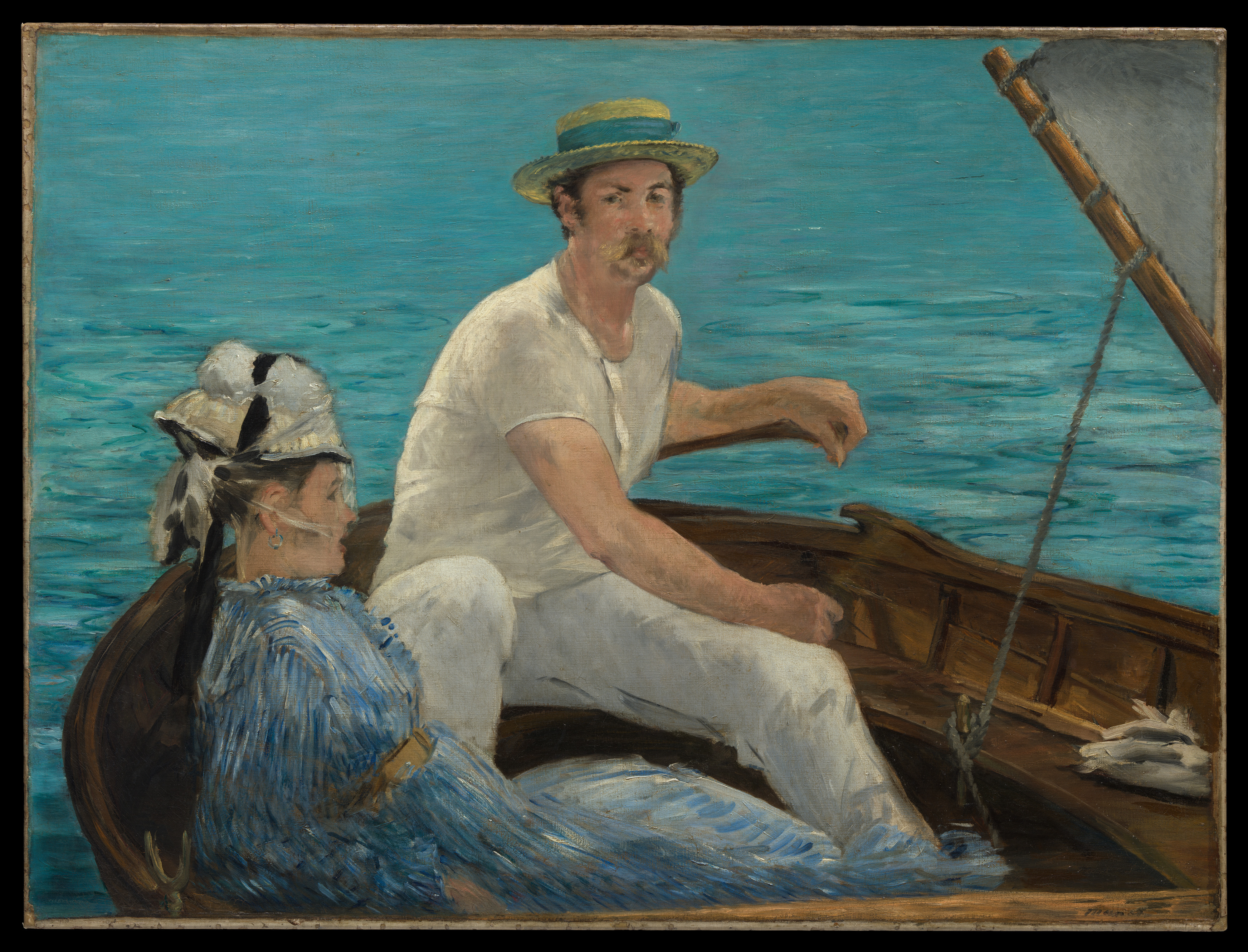
Edouard Manet — "Boating" (1874), public domain
Rumor at the Banquet Table
Her very name became a warning. Lucrezia Borgia—daughter of Pope Alexander VI—was accused of slipping lethal wine to rivals, her golden hair glinting in candlelight. Every gesture was suspect, every cup a possible weapon.
Woman in a World of Wolves
Born into an infamously ambitious family, Lucrezia was married off three times for her father’s political gain. She was a teenager surrounded by plots and betrayals, where a whispered rumor—or a real betrayal—could mean exile or death. The men around her wrote the stories; she bore the consequences.
Surviving the Poison
Centuries later, historians have found no proof she ever murdered anyone. But the myth of Lucrezia endured, outliving the real woman: a survivor, not a villain. Sometimes, a good story is the deadliest poison of all.
The real Lucrezia Borgia outlived the scandals, becoming a respected duchess, patron of the arts, and even a devoted mother. Her story is a lesson in how power, gender, and rumor twisted a woman’s reputation into legend.
