Fragmenta.
How It WorksPricingTodayBlog
Download for iOS
Today›Character
Character·Ancient Greece·Classical Greece, 5th century BCE

Hippocrates: Medicine’s First Questioner

He told his students: don’t pray—observe. Listen to the patient, not the priest.
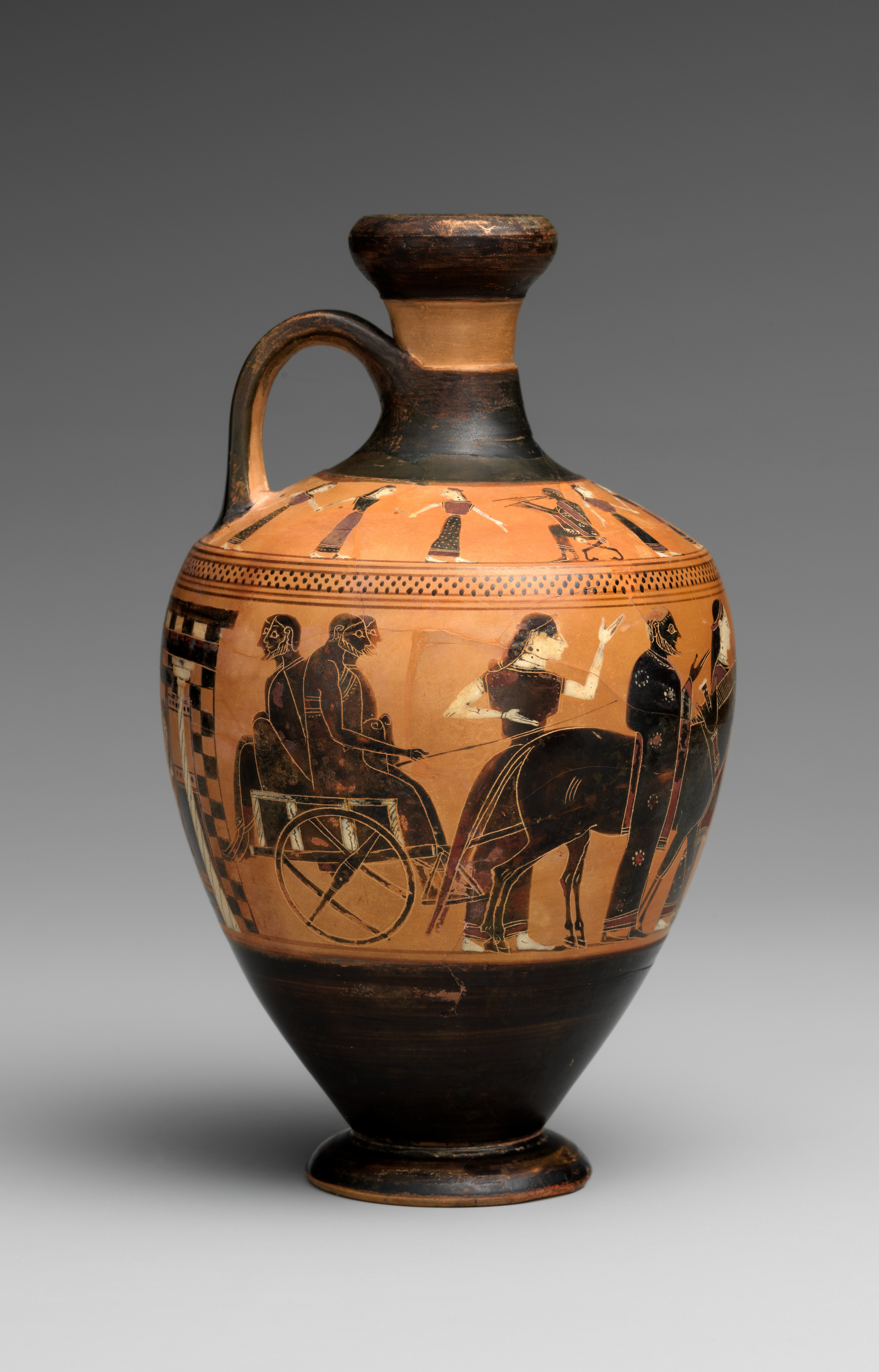
Hippocrates: Medicine’s First Questioner

Amasis Painter — "Terracotta lekythos (oil flask)" (ca. 550–530 BCE), public domain

The Doctor Who Refused to Pray

When confronted with fever and pain, Hippocrates refused the easy answer. He didn’t blame vengeful gods. Instead, he asked: what does the pulse say? What food have you eaten? His consultations sound modern—less faith, more inquiry.

A World Where Disease Was Divine

In Classical Greece, illness meant guilt or a curse. Temples thrived on hopes for healing. Hippocrates set up shop on the island of Kos and quietly rewired medicine. He taught hundreds: question symptoms, note seasons, compare cases. The Hippocratic Corpus—written by him and his students—became Europe’s first medical textbooks.

Questions That Still Echo

Hippocrates could not cure everything. But his method—watch, record, doubt—turned healing into a discipline. The Hippocratic Oath remains medicine’s first ethical code, though doctors have argued its lines for centuries.

Hippocrates began the shift from superstition to science—not with drugs, but with questions.

Three minutes a day.

Fact-checked stories from ancient Greece and Rome, delivered every morning as swipeable cards.

Download for iOS
5.0 on the App Store

Keep reading

Quote · Late Republican Rome

Cicero on Friendship and Truth

“A friend is, as it were, a second self.” Cicero, under threat of exile, writes a line that outlasts every office and every war.

Story · Classical Greece

Antigone Buries Her Brother

By torchlight, Antigone dared to sprinkle dust over her brother’s corpse—knowing it meant death.

On This Day · Classical Athens

On This Day: Athens Watches the Grain Ripen

Early May: The wheat fields outside Athens shimmer gold—almost ready for harvest, and everyone is watching the sky.

Fact · Late Republic and Early Empire

Roman Women Could Divorce Their Husbands

If a Roman matron wanted out of her marriage, she could pack her bags, walk out the door, and file for divorce—no trial, no drama, no husband’s permission needed.

Fragmenta.

Made with care for history that deserves it.

App Store

Product

How It WorksDaily FragmentsFeaturesToday in HistoryBlogDownload

Legal

Privacy PolicyTerms of ServiceEULASupportPress

Connect

TikTok
© 2026 Fragmenta. All rights reserved.