Fragmenta.
How It WorksPricingTodayBlog
Download for iOS
Today›Character
Character·Ancient Greece·Classical Greece, 5th century BCE

Herodotus: Truth, Lies, and the First Historian

Herodotus admits he’s heard it all—giant gold-digging ants, flying snakes, and a princess escaping in a boat shaped like a shoe.
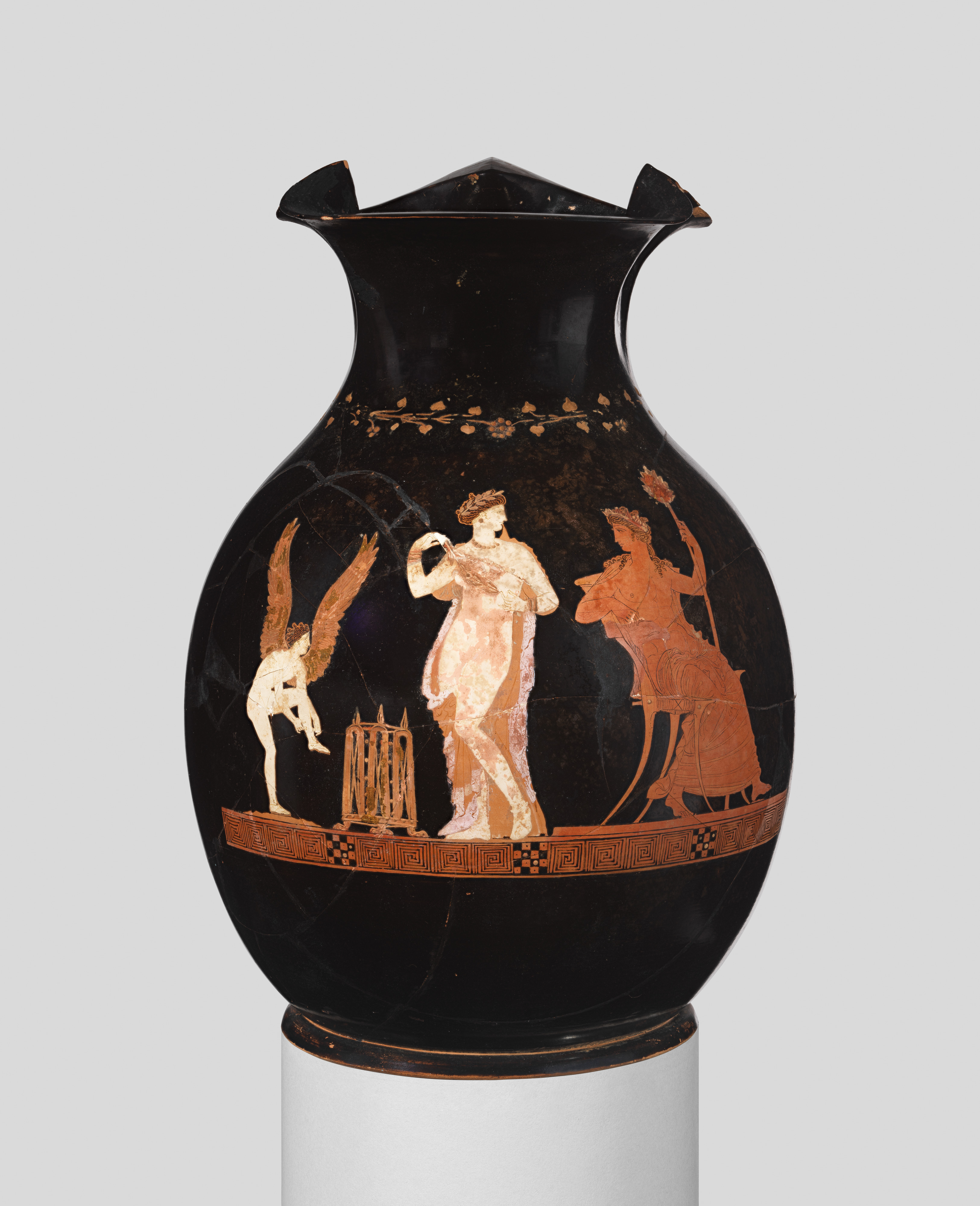
Herodotus: Truth, Lies, and the First Historian

Unknown — "Terracotta oinochoe (jug)" (mid-4th century BCE), public domain

The Historian Who Hedges Every Bet

Herodotus never pretends to know it all. He tells you the Persians believe one thing, but the Egyptians another. He recounts a tale, then pauses—"As for myself, I am not sure." The world to him is full of marvels and contradictions.

In a World of Myths and Memories

Writing in the 5th century BCE, Herodotus gathers rumors from the far edge of the empire and interviews everyone from priests to riverboat pilots. He tries to sift fact from fiction—sometimes succeeding, sometimes just dazzling readers with the strangeness of it all.

History’s First Footnote: Maybe, Maybe Not

His reputation swings between 'Father of History' and 'Father of Lies.' But his honest uncertainty—his willingness to say 'I do not know'—still shapes the way we chase truth today.

He gives you the story, then lets you judge. Herodotus is both a collector of wonders and a skeptic at heart—the godfather of history and tall tales alike.

Three minutes a day.

Fact-checked stories from ancient Greece and Rome, delivered every morning as swipeable cards.

Download for iOS
5.0 on the App Store

Keep reading

Story · Hellenistic Greece

Demetrius, the Besieger, and the Iron Ramp

Siege machines creaked in the night as Demetrius ordered an iron ramp built right over city walls—nowhere in Greece had seen anything like it.

Quote · Late Republic

Cato the Younger on Silence

"I begin to speak only when I am certain what to say is not better left unsaid." — Cato the Younger, the Senate’s last immovable object, measured every word as if it might be his last.

On This Day · Republican and Imperial Rome

On This Day: May 11 Was a Dies Comitialis

May 11: In Rome, today is a dies comitialis—a day when citizens could vote, debate, and change the future in the shadow of the Capitol.

Fact · Classical Athens, 5th–4th century BCE

Athenian Law: The Adulterer’s Radish

Athenians punished male adulterers by shoving a radish up a very personal place. And that was just the start.

Fragmenta.

Made with care for history that deserves it.

App Store

Product

How It WorksDaily FragmentsFeaturesToday in HistoryBlogDownload

Legal

Privacy PolicyTerms of ServiceEULASupportPress

Connect

TikTok
© 2026 Fragmenta. All rights reserved.