
The Marathon Myth
No ancient Greek ever ran 26.2 miles from Marathon to Athens. The famous run is a modern invention.
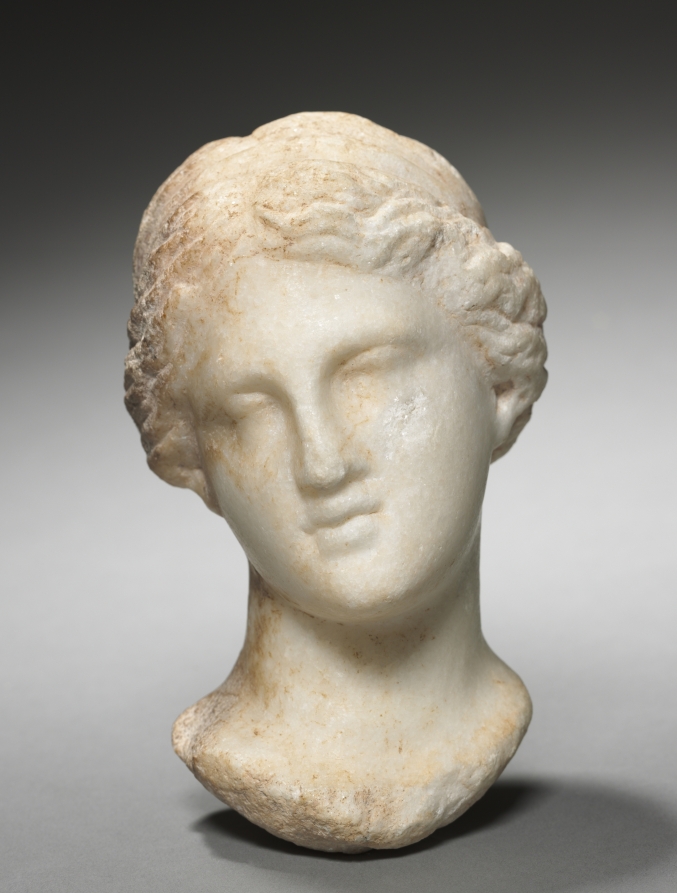
Unknown — "Head of a Woman" (300–200 BCE), CC0
The 26-mile dash: Pure legend.
Schoolbooks say a Greek messenger sprinted from Marathon to Athens, gasped “Victory!”, and died. It’s the origin story for every modern marathon, carved in running shoes and medals. But that epic run? It never happened in the ancient world.
What really happened?
Herodotus, our best source, says the messenger Pheidippides ran—not from Marathon, but from Athens to Sparta—a staggering 150 miles in two days, seeking help against Persia. Athens won the battle at Marathon, but the famous 26.2-mile race was invented for the 1896 Olympics, not copied from ancient custom.
A modern myth with ancient roots.
Late Roman writers mashed together stories about messengers, death, and victory. By the 1800s, the myth had legs—literally. The marathon race gave it a new finish line—and a global audience. The real Greek hero ran much, much farther.
The real messenger, Pheidippides, ran from Athens to Sparta—a far longer journey. The Marathon race was created for the 1896 Olympics, inspired by legend, not ancient sport.
