
Greek Temples: Not Ancient Church Services
Most people picture Greek temples packed with worshippers, chanting and praying like a giant church. In reality, ordinary Greeks almost never stepped inside.
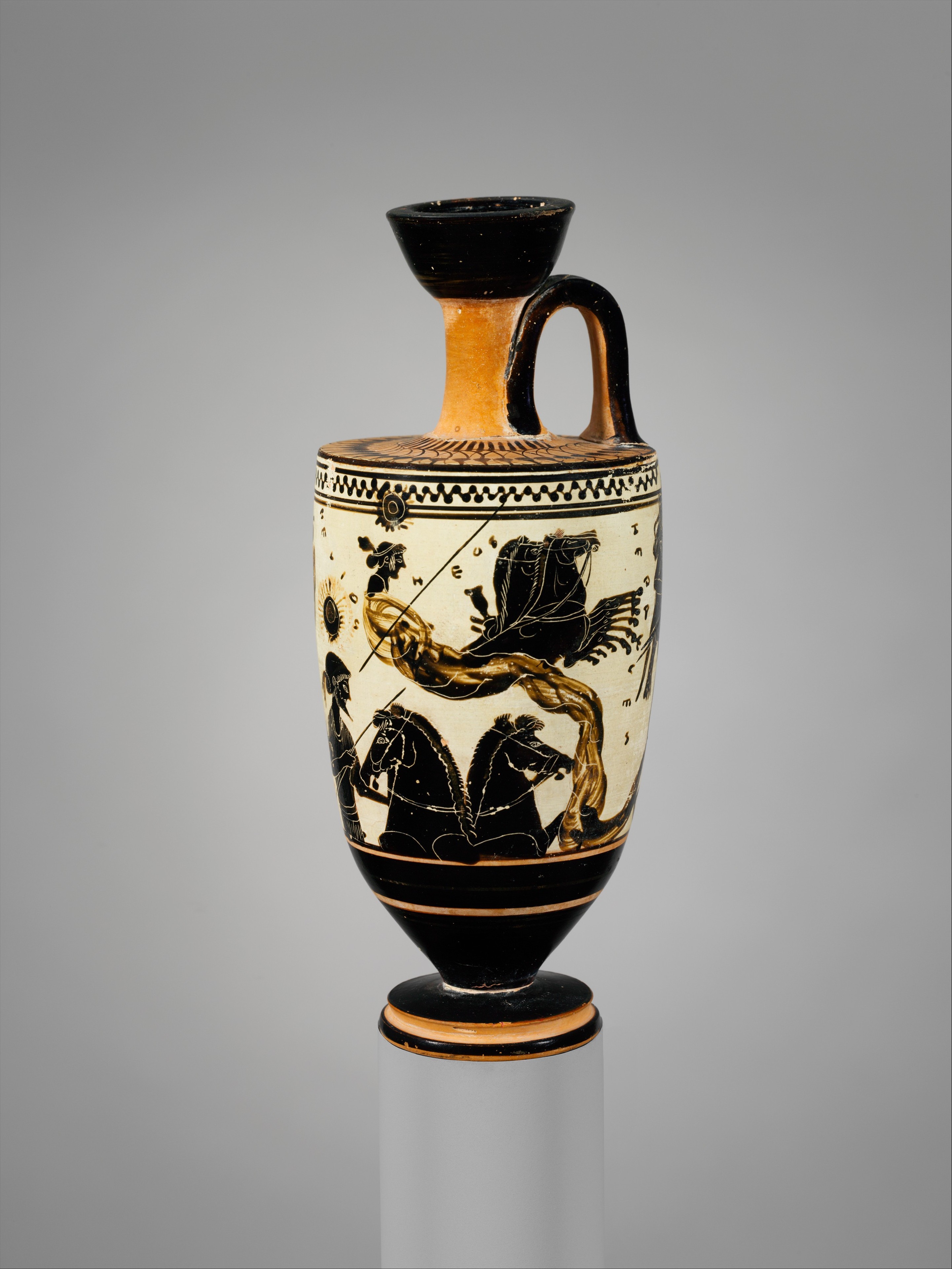
Sappho Painter — "Terracotta lekythos (oil flask)" (ca. 500 BCE), public domain
The Greek Church Service Myth
Movies and textbooks show Greek temples buzzing with crowds, hymns echoing under marble ceilings—like an ancient congregation. The expectation: Greeks entered to worship, pray, and gather, just as people do in churches, mosques, or synagogues today.
Temples Were the Gods’ Houses
In reality, Greeks almost never went inside their temples. Only priests and sanctuary staff set foot past the threshold. Worship happened outside, at an altar in front of the temple. The temple’s grand interior? Off-limits—a home for the god’s statue, not a public gathering place.
How Did We Get It So Wrong?
The confusion comes from projecting modern religious architecture onto the ancient world. Temples looked awe-inspiring and central—so it’s easy to imagine them filled with believers. But the real heart of Greek religion was open air, incense, and sacrifice beneath the sky.
Greek temples were homes for the gods, not for public congregations. Rituals and sacrifices usually happened outside, in open-air altars—temple interiors were for priests, offerings, and the statue of the deity.
